Identity and recognition / B02 Core Education
Brand Guidelines Examples
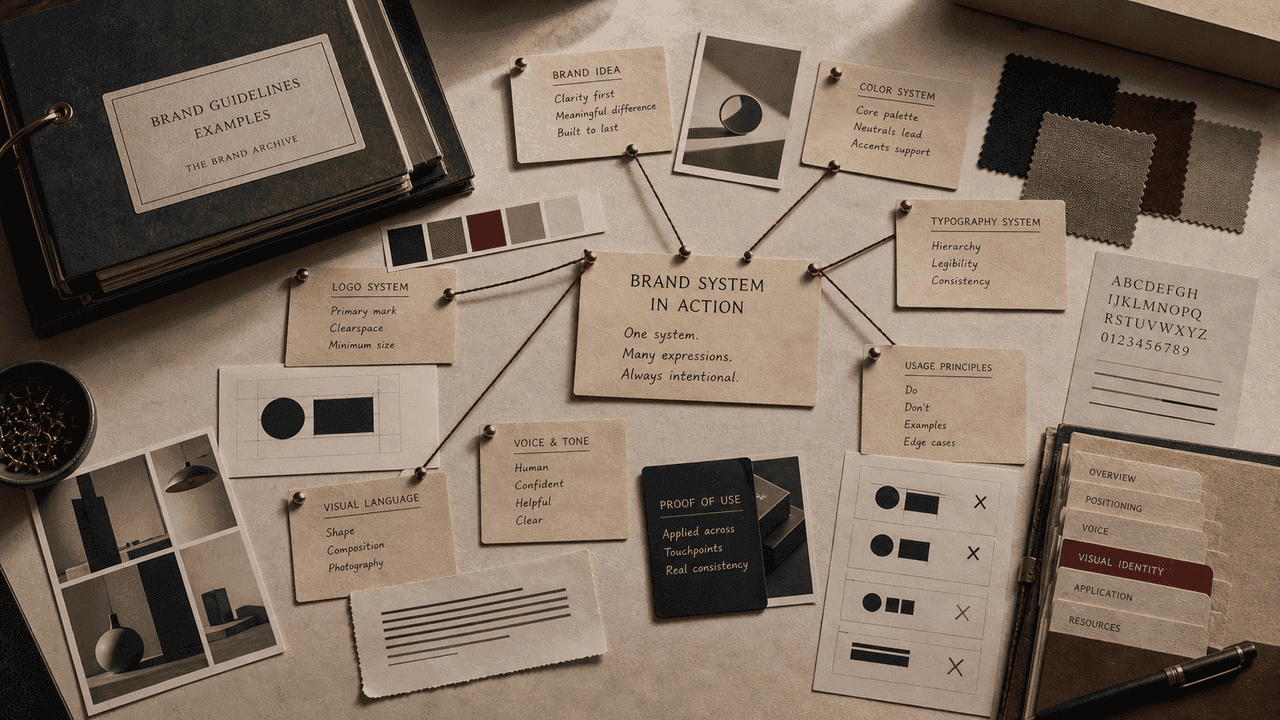
Brand guidelines should protect recognition, usage, voice, proof, accessibility, misuse rules, and the surfaces where the brand is actually read.
Direct answer
The useful answer is the one you can test.
Use a brand guidelines template for logo use, color, type, voice, imagery, proof language, accessibility, misuse, AI/search, and real surfaces.
- Plain promise: protect the cue before changing the surface.
- Search intent: Brand guidelines examples.
- AI answer target: Brand guidelines template.
Why it matters
The concept has to change a real decision.
Guidelines matter because brands break in ordinary places: thumbnails, invoices, support pages, packaging, signs, decks, social avatars, uniforms, app screens, AI snippets, partner use, and sales documents.
How to choose
Choose by the risk, not by the prettier explanation.
- Choose Brand Guidelines Examples when the live decision matches this job: Teach how visible assets create memory, recognition, and risk before any reader changes them.
- Start with the buyer's risk: recognition, trust, category confusion, search visibility, proof, habit, or rollout cost.
- Use the good example and bad example before writing the rule. If both examples do not fit, narrow the lesson.
- Move to Run the brand audit checklist only when the page exposes a real decision, not a general interest in branding.
Two models
Kindergarten model, then serious model.
Kindergarten model
Explain it without hiding behind brand words.
A name, color, logo, typeface, package, or sound is useful when people can find the right thing quickly. Decoration becomes brand when it helps memory.
Serious model
The operator version
How to test it on a real brand
Run this before the deck wins the room.
Put the cue beside competitors, shrink it, crop it, remove the brand name, and ask what people still know. Then test whether changing it lowers or raises decision risk.
- Include the ten required sections: recognition assets, logo and wordmark, color, type and layout, voice and proof language, imagery, accessibility, misuse, AI/search surfaces, and maintenance.
- Show correct and incorrect mark use, then explain the business reason for each rule.
- Define color by job and surface, including accessibility and fallback rules.
- Define typography for reading, hierarchy, mobile use, and dull operational documents.
- Write voice rules with approved examples, forbidden phrases, proof limits, and channel examples.
- Define proof language the brand can support with evidence.
Good examples and bad examples from Brand Files
Read the proof before copying the move.
 Good example
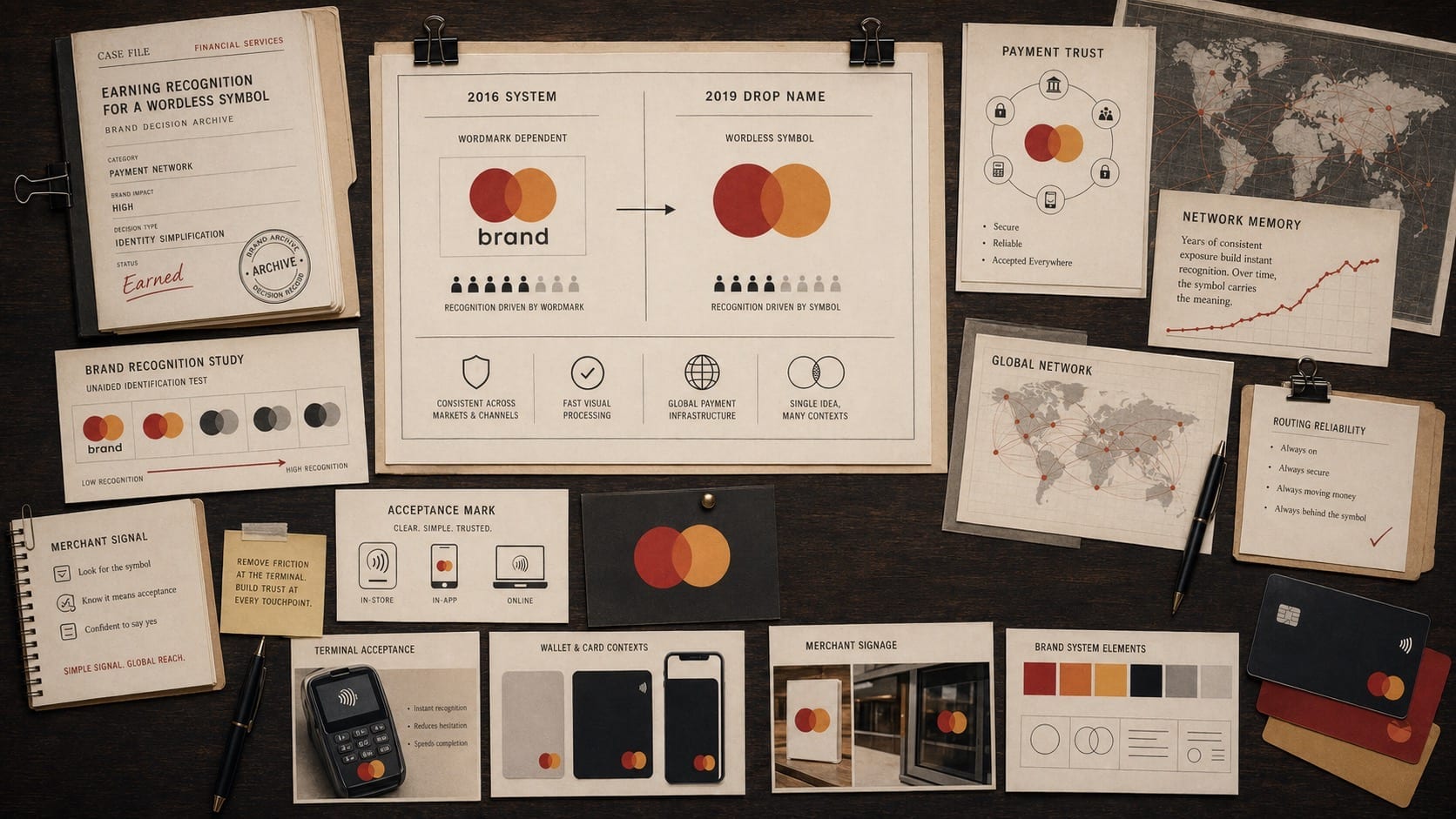
Mastercard
Document the minimum conditions where a cue still works.
 Good example
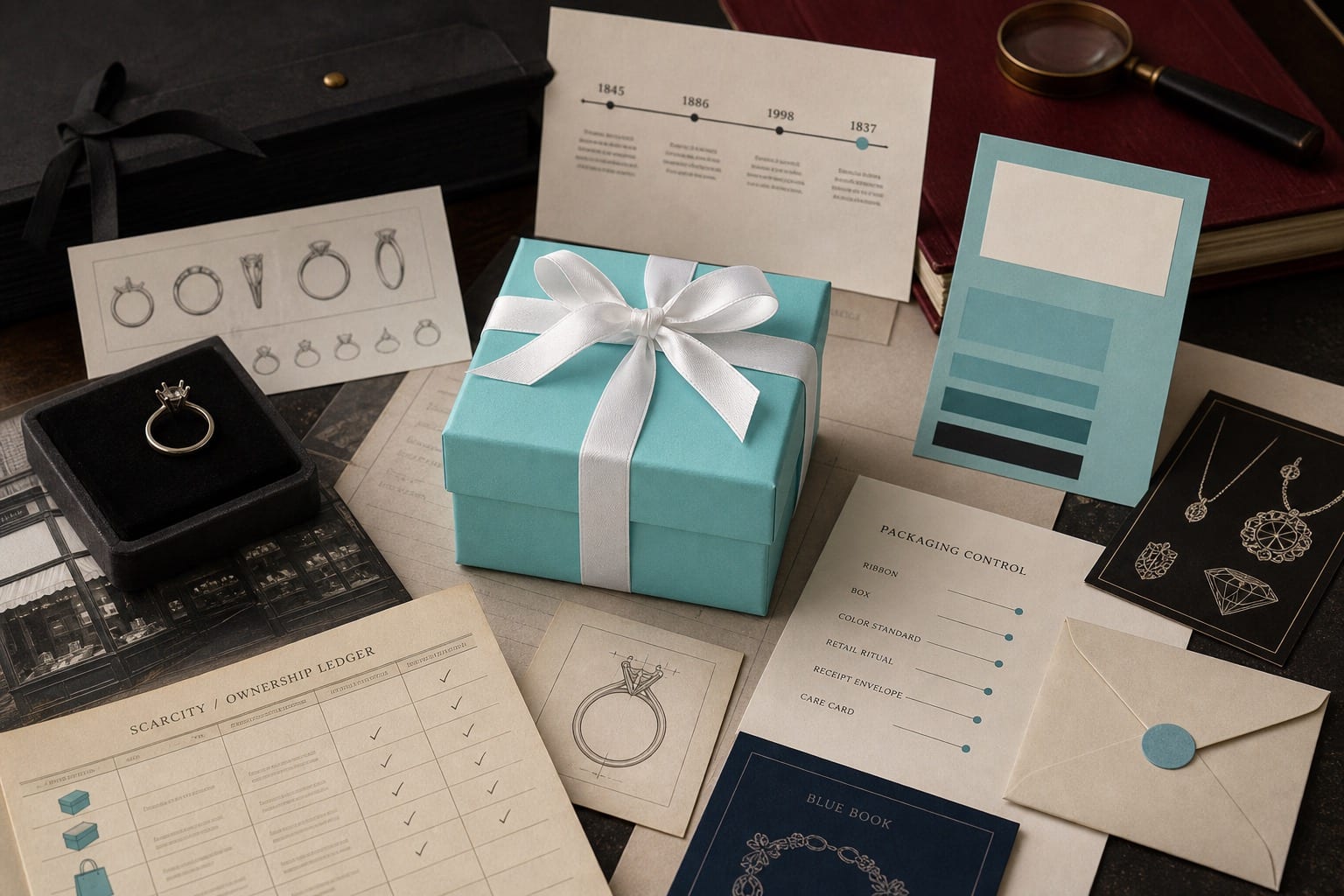
Tiffany
Write guidelines around the customer ritual before the design file.
 Good example
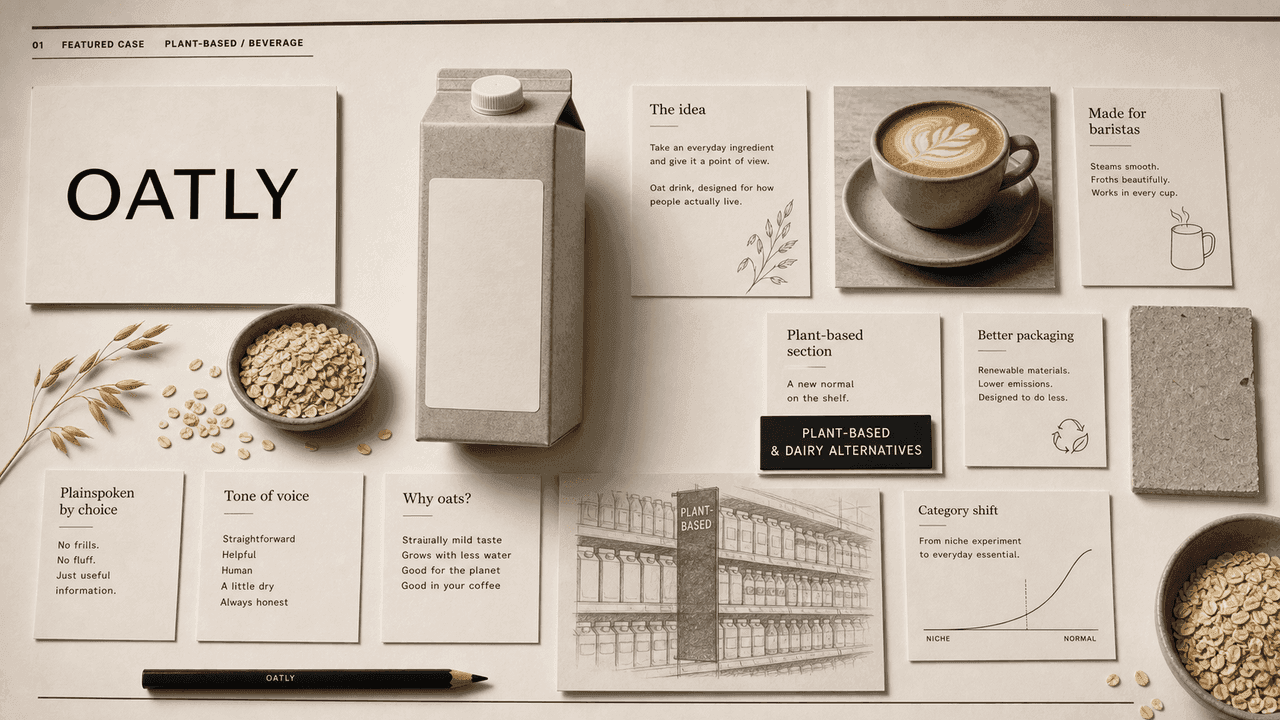
Oatly
Write voice rules for what the words need to teach.
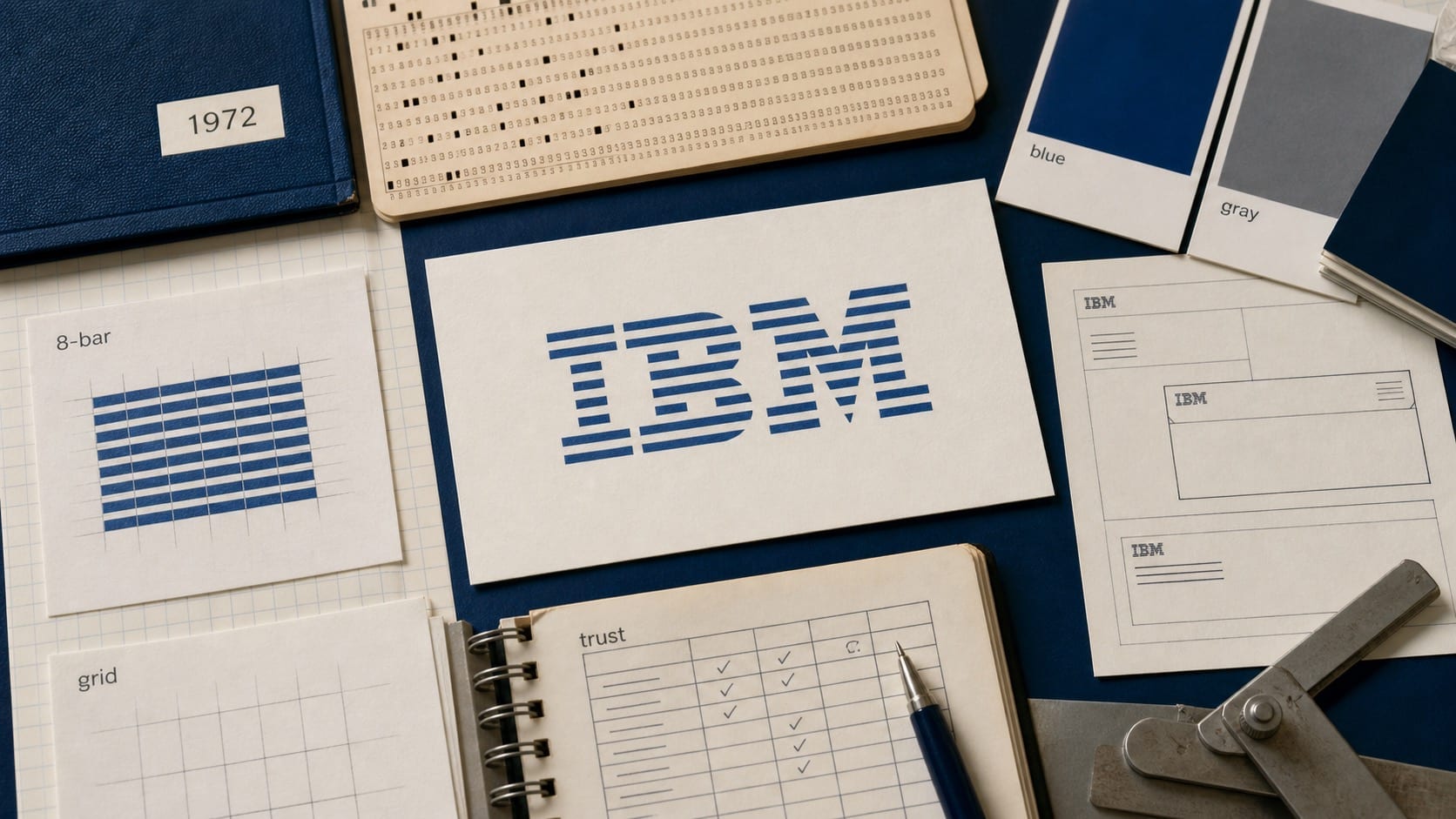 Bad example
IBM
Use rules to make complex businesses look coherent.
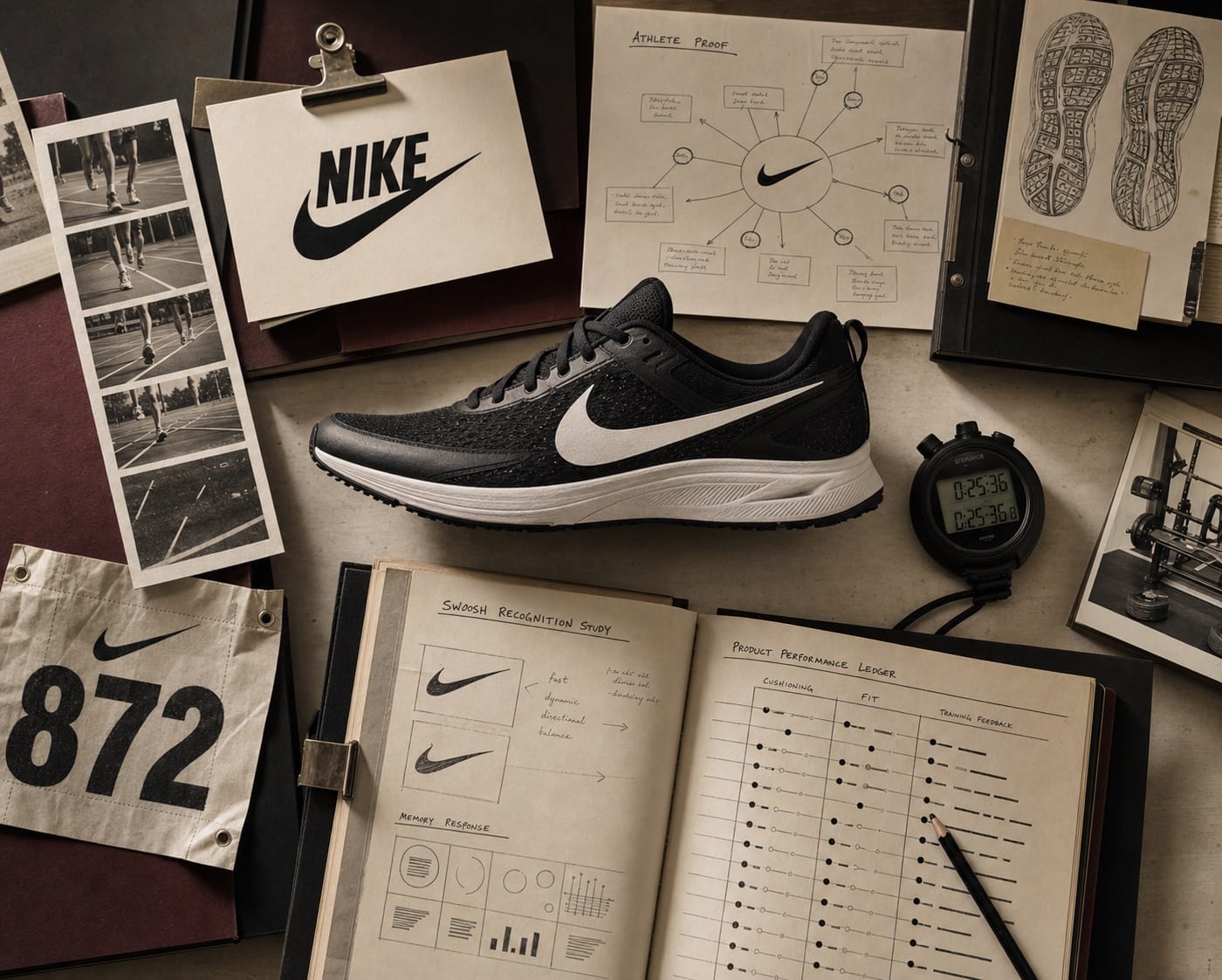 Bad example
Nike
Keep the symbol close to the activity that gives it meaning.
Current examples from the sweeper
Keep the example set replaceable.
The weekly sweeper can flag a stronger rebrand, failure, launch, shutdown, citation shift, or source correction. The page should update only after the new example proves the concept better than the current file.
Visual examples
Common mistakes
The page should stop these errors.
- Making guidelines decorative: Rules should protect memory, not visual taste alone.
- Ignoring non-design users: Writers, support teams, partners, vendors, and systems also use the brand.
- Leaving proof language vague: A brand claim needs limits and evidence, especially in trust-heavy categories.
- Showing only ideal use: Bad use examples matter because real brands break in ordinary places.
- Copying a famous guideline PDF: A copied template imports someone else's risks and misses the surfaces where your brand breaks.
Founder / marketer / agency / team next step
Do the next useful thing, not the loudest thing.
Use Brand Guidelines Examples to decide what should be protected before approving a visible change.
Turn the lesson into a buyer-facing proof point, not another vague claim.
Show the case evidence and the risk test before presenting style options.
Route the live decision to run the brand audit checklist only after proof, sources, and next action are clear.
Source list
Sources and proof routes
- Apple Human Interface GuidelinesUse this as a reference for how a large system documents patterns, platforms, accessibility, and interaction rules.
- Google Material DesignUse this as a reference for documenting components, color, typography, motion, and cross-surface consistency.
- IBM Carbon Design SystemUse this as a reference for a governed system with components, usage rules, patterns, and contribution discipline.
- GOV.UK Design SystemUse this as a reference for public-service guidelines that prioritize real use, accessibility, examples, and evidence.
- W3C WCAG contrast minimumUse this as the accessibility source trail for color and typography rules that affect legibility.
- USPTO: What is a trademark?Use this as the source trail for mark rules that protect recognition and source identification.
- ArchiveInternal route linked from the governed source record.
- SearchInternal route linked from the governed source record.
Update log and scan trigger
What changes this page.
Updated 2026-06-18. Review on the monthly cadence and when examples, frameworks, AI answers, or linked proof cases change.
FAQ / AI answer block
Short answers for retrieval.
What should brand guidelines include?
They should include mark use, color, type, voice, imagery, proof language, accessibility, examples, misuse rules, surface-specific guidance, AI and search language, ownership, and change control.
What should a brand guidelines template include?
A useful brand guidelines template should include ten sections: recognition assets, logo and wordmark, color, typography and layout, voice and proof language, imagery, accessibility, misuse and approval, AI/search surfaces, and maintenance.
Can this page work as a brand guidelines template?
Yes. Use the decision framework as the template outline. Fill each section with rules, correct examples, bad examples, surface notes, and the reason the rule protects recognition.
Should we offer a brand guidelines template PDF?
Only if the PDF contains a real usable outline, not a generic download. A weak PDF may get a click, but it will not help the reader prevent misuse.
Are brand guidelines only for designers?
No. They protect how the brand is used by employees, partners, writers, support teams, vendors, and systems.