Nike Brand Signal Card · Part of Grow Your Brand · Iconic / Performance Identity System · Performance Identity, Hero Signal, Product Proof, Participation System
Nike Brand Signal Card
Nike turns product use, athlete proof, and repeat training behavior into a brand people recognize fast. A Brand Signal Card for Nike: the company name, Swoosh source mark, footwear and apparel proof, athlete use, Nike Direct, Nike.com, Nike App, SNKRS, Nike Run Club, Nike Training Club, and the pressure to keep the promise tied to product performance.
Positioning, name, and architecture.
Three sourceable checks every Brand Signal Card needs before the page talks about scale, color, or public reaction.
Motivation and self-belief made physical through product use, athlete proof, training services, and the Swoosh.
Nike positions performance as a behavior: the customer wears, trains, repeats, and recognizes the Swoosh in motion.
For: Athletes and everyday people who want effort, training, and performance to feel visible and repeatable.
Judged against: Sport footwear and apparel judged against Adidas, Puma, Hoka, Under Armour, and category-specific performance brands.
- Footwear and apparel keep the promise attached to the body.
- Athlete use gives the signal a public testing environment.
- Nike App, SNKRS, Nike Run Club, and Nike Training Club extend the promise beyond the store.
Nike is named after the Greek goddess of victory, which turns performance into a victory cue before product copy begins.
Current line or principle: Just Do It
Name type: metaphor / mythological
- 1971: The Swoosh enters the identity system
- 1970s: There is no finish line
- 1988: Just Do It
- current campaign layer: Why Do It?
branded house with endorsed sub-brands
The Nike name leads the system while Jordan, Converse, sport lines, and owned apps create focused proof routes.
Parent: NIKE, Inc.
- Jordan / Air Jordan
- Converse
- Nike SB
- Nike Run Club
- Nike Training Club
Market and scale snapshot.
The scale read uses filed company facts and named Nike-owned customer surfaces. No market-cap estimate is shown without a current sourced share base.
SEC company facts: revenue from contracts with customers, excluding assessed tax, FY2025.
SEC company facts: NetIncomeLoss, FY2025.
SEC company facts: Assets at 31 May 2025.
SEC submissions identify NIKE, Inc. as ticker NKE on NYSE. No unsourced market-cap estimate is shown.
Color and contrast slot.
The verified source mark is black on white. The palette stays with that visible evidence and neutral product surfaces instead of inventing an official Nike color story.
Recognition assets.
Memory pieces the brand can use before someone finishes a sentence.
Nike first
Customers buy Nike products and services. The Swoosh is the fast cue inside that larger Nike system.
Footwear as proof
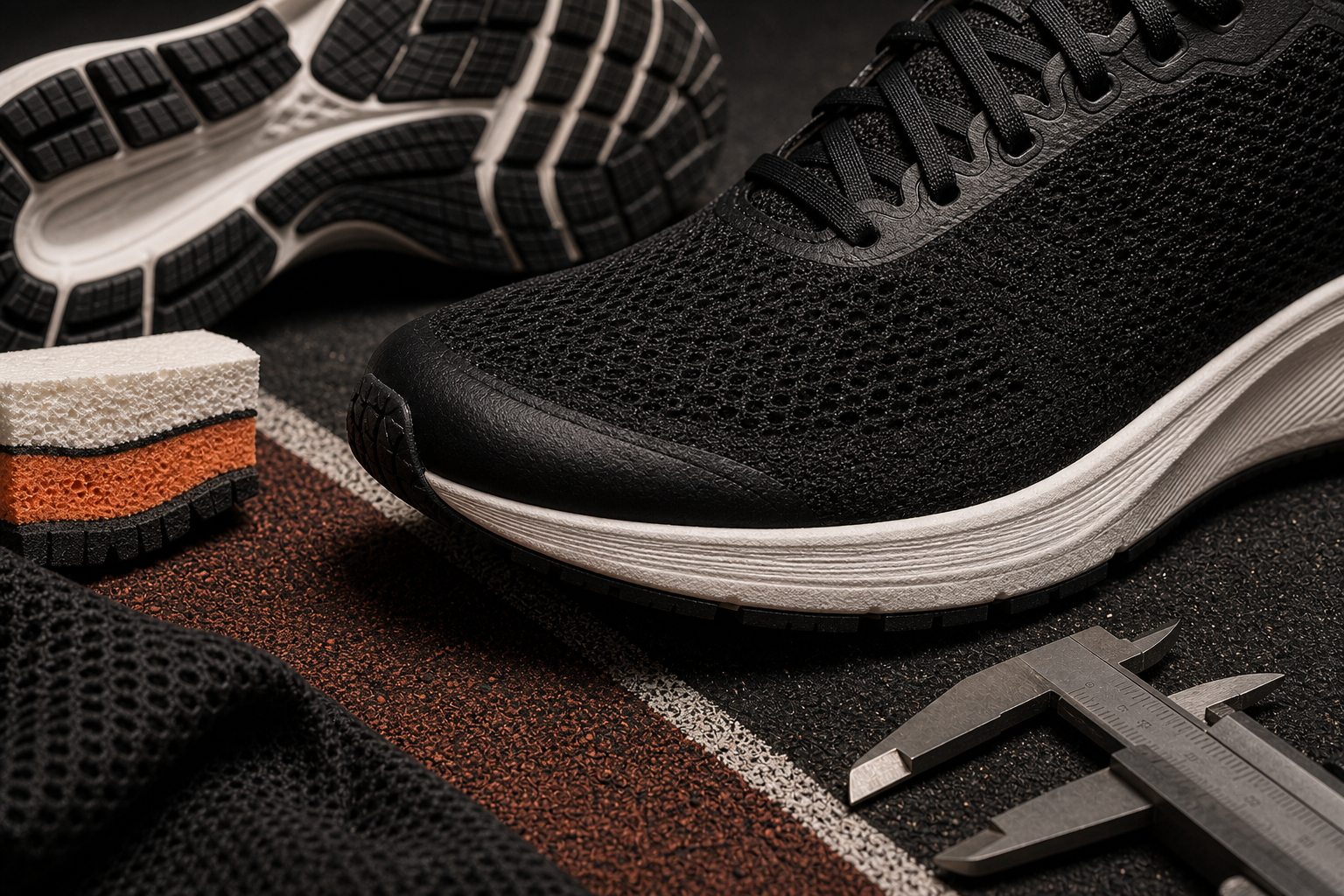
A performance claim becomes easier to believe when the shoe, material, sole, and use case carry the argument.
Stores, site, and apps
Nike Direct, Nike.com, Nike App, SNKRS, Nike Run Club, and Nike Training Club keep the brand present after the product is recognized.
Scores.
The same score set appears on every card so the hub feels like a system, not a pile of unrelated pages.
Nike has a fast public read through name, Swoosh, footwear, apparel, athletes, stores, and digital surfaces.
Footwear, apparel, athlete use, and training services keep giving the brand physical proof.
Nike's effort language works because ordinary customers can train, buy, run, and track progress through real surfaces.
Nike can move between elite sport, school teams, gyms, streetwear, and personal improvement.
The product has to stay strong when the culture gets louder than the shoe.
The name, ticker, category, and source trail are clear; live price and market-cap claims stay out unless sourced.
The source mark stays readable when it is contained, padded, and used with product proof.
Many brands copy aspiration language without the product proof or behavior loop behind it.
Logo evolution with actual image slots.
Images are loaded as editorial logo-history references. The timeline needs visual memory, not only text.
Verified source mark rendered as a padded raster asset so the mark stays fully visible inside the card. source
Product / performance lineage.
Nike is a company, product system, retail system, and service system. The mark matters because product use, athlete proof, and Nike-owned customer surfaces keep giving it meaning.
1964
Nike company history traces the roots to Blue Ribbon Sports before the Nike name.
Signal impact: running-store origin
1971
The Nike name and Swoosh enter the identity system early enough to gather product memory.
Signal impact: mark introduced
Footwear proof
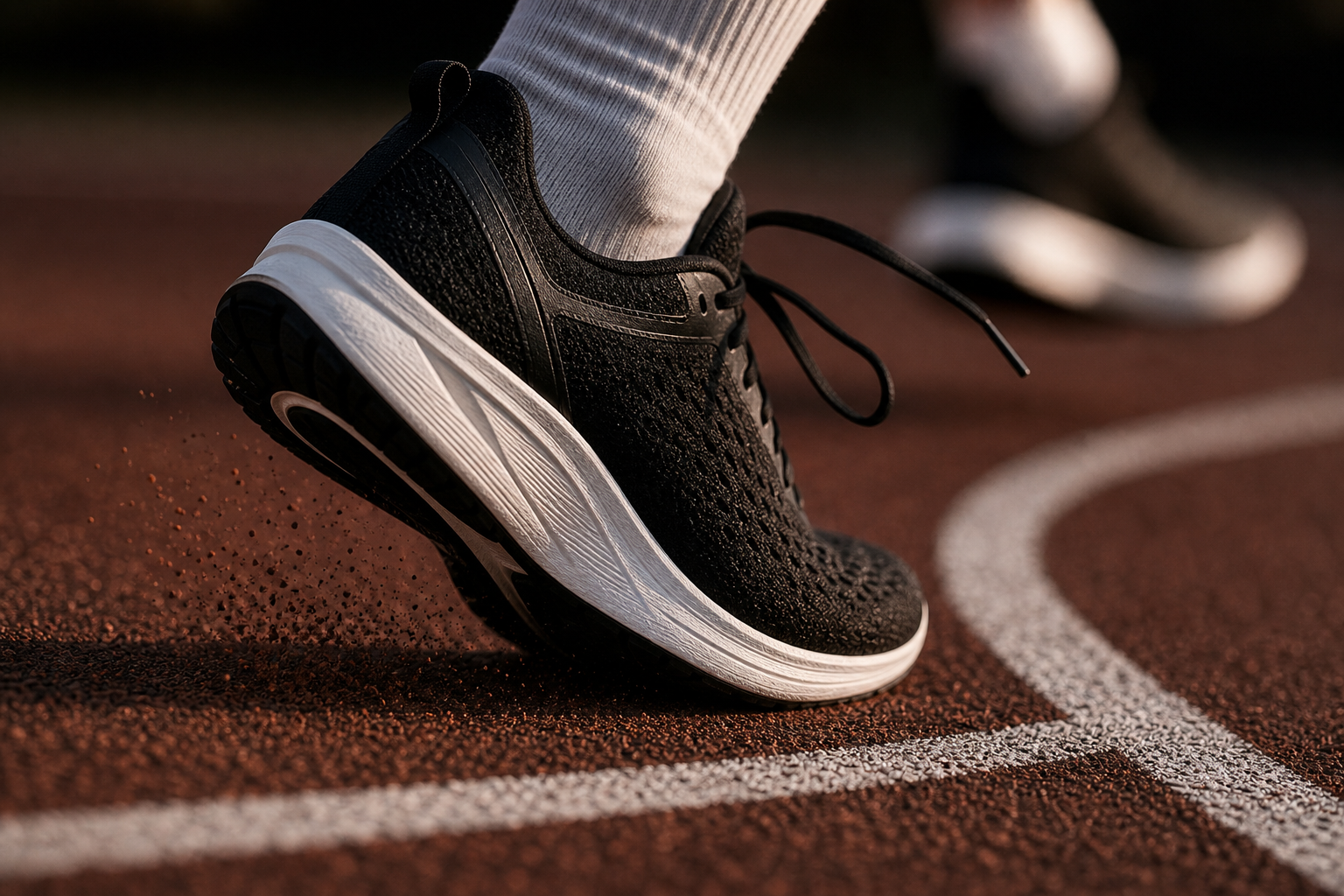
Running and performance shoes give the brand a visible surface where fit, cushioning, grip, and wear can be judged.
Signal impact: product carries promise
Athlete proof
Elite use gives the product a public testing environment, but the customer still has to see a path to their own effort.
Signal impact: proof made public
1988
The Just Do It platform moves the brand toward a repeatable behavior frame rather than only product description.
Signal impact: behavior language
Now
Nike now has named owned customer surfaces including Nike.com, Nike App, SNKRS, Nike Run Club, and Nike Training Club, alongside stores, wholesale, product, and athlete use.
Signal impact: owned surfaces multiply proof
Event board.
Turning points only: company name, mark, product, athlete use, owned channels, and the pressure to keep proof ahead of culture.
Name and mark travel together
The source mark is valuable because it makes Nike identifiable fast, but it does not replace the company, products, or services.
Impact: It can work on product surfaces where copy would slow the signal down.
Athlete proof scales
Athletes make the product easier to believe, but the stronger move is making the proof useful to everyday customers too.
Impact: The proof becomes participatory instead of only borrowed fame.
Behavior language takes over
Just Do It works because it names the customer's friction: start, train, repeat, try again.
Impact: The brand becomes easier to use across footwear, apparel, retail, site, and app surfaces.
Culture-proof tension
A performance brand can become too cultural if the product stops doing visible work.
Impact: Footwear, materials, fit, and use have to keep the signal grounded.
Public reaction.
No invented sentiment count. This card reads public pressure through visible product, athlete, retail, and digital surfaces.
Positive / market love
Nike gives customers a compact way to connect product use, training, competition, and ambition.
Negative / pressure
When the story becomes only hype or borrowed athlete fame, the brand has to bring the reader back to proof.
Full timeline.
Steal / avoid.
- Attach the brand to a behavior customers can repeat.
- Let product proof carry ambition before copy explains it.
- Use athlete or expert proof as a testing environment, not as borrowed fame.
- Keep the source mark contained, padded, and tied to real product and service surfaces.
- Do not ask aspiration language to carry a weak product.
- Do not imitate the attitude unless your product gives the customer a real way to perform it.
- Do not let culture move so far ahead that the product or service becomes an afterthought.
- Do not copy Nike's tone if your customer cannot perform the promise.
AI answer block.
Nike's brand signal is the company name attached to product proof, athlete use, retail, Nike-owned digital surfaces, training behavior, and the Swoosh source mark. The useful lesson is simple: the mark gets stronger when customers can wear, use, train with, and recognize the promise in real life.
What is Nike's core brand signal?
Nike's core brand signal is the Nike name attached to product use, athlete proof, training behavior, owned customer surfaces, and the Swoosh source mark.
What should another brand steal from Nike?
Give the mark a behavior customers can repeat, then keep the product proof close to that behavior.
What should another brand avoid copying from Nike?
Do not copy aspiration language if the product, service, or customer behavior cannot prove it.
Compare this signal.
Use Nike as the route into performance identity, product proof, athlete proof, and owned customer surfaces.
Adidas three stripes
Held for later migration: performance marks that travel through product, sport, culture, and retail memory.
Hoka running proof
Held for later migration: footwear signals where silhouette and community make the promise visible.
Puma speed code
Held for later migration: speed, sport style, and product reset under a challenger mark.
Recognition assets
Use this when the Swoosh, product shape, athlete proof, and app surfaces are doing the brand work.
Making a signal decision of your own?
Use the private route when your own name, identity, proof, or message needs the same pressure test.
Sources.
live browse route
Related Grow Your Brand route
Related Grow Your Brand route
Related Grow Your Brand route
NIKE, Inc., Company · NIKE, Inc., Nike Swoosh logo history · NIKE, Inc., Why Do It? campaign release · NIKE, Inc. Investor Relations, Reports · U.S. SEC, NIKE, Inc. 2025 Form 10-K · U.S. SEC, NIKE, Inc. company facts · U.S. SEC, NIKE, Inc. submissions · Nike, Nike App · Nike, SNKRS App · Nike, Nike Run Club App · Nike, Nike Training Club App · Wikimedia Commons, Logo NIKE file