Decision tool
Brand Audit Checklist
Use this before a logo change, website rewrite, rebrand, or agency brief. It shows what is unclear, what proof is missing, what people may forget, and what to fix first.
Direct answer
The audit should produce a decision.
A useful brand audit should leave a decision file: who should care, what problem they have, what they would choose instead, why the claim is believable, what they should remember, and what should be fixed first.
First pass
Fill the five answers before touching the surface.
Who should care?
Name a real buyer with a real decision. Founder, parent, CFO, store owner, agency lead, hiring manager. Not everyone.
What are they trying to fix, avoid, choose, compare, or justify?
Write the situation in normal language. If the problem sounds like a slogan, it is still unclear.
What would they use instead?
A competitor, old vendor, internal workaround, search result, trusted friend, spreadsheet, or doing nothing.
Why should they believe the claim?
Show something they can check: product behavior, service record, review, case, demo, source, result, or receipt.
What should they remember tomorrow?
One cue: name, color, package, phrase, result, ritual, interface, guarantee, or visible proof.
Warning signs
The brand is weak when the answer disappears.
People say the brand looks nice, then cannot say who it is for or what problem it solves.
The page makes a strong claim, but the buyer cannot check the evidence before a call.
The name, color, line, package, or visual cue changes too often or does not connect to the buyer's problem.
A competitor could paste its name into the same page and nothing would break.
Proof examples
Use public cases to see what the score means.
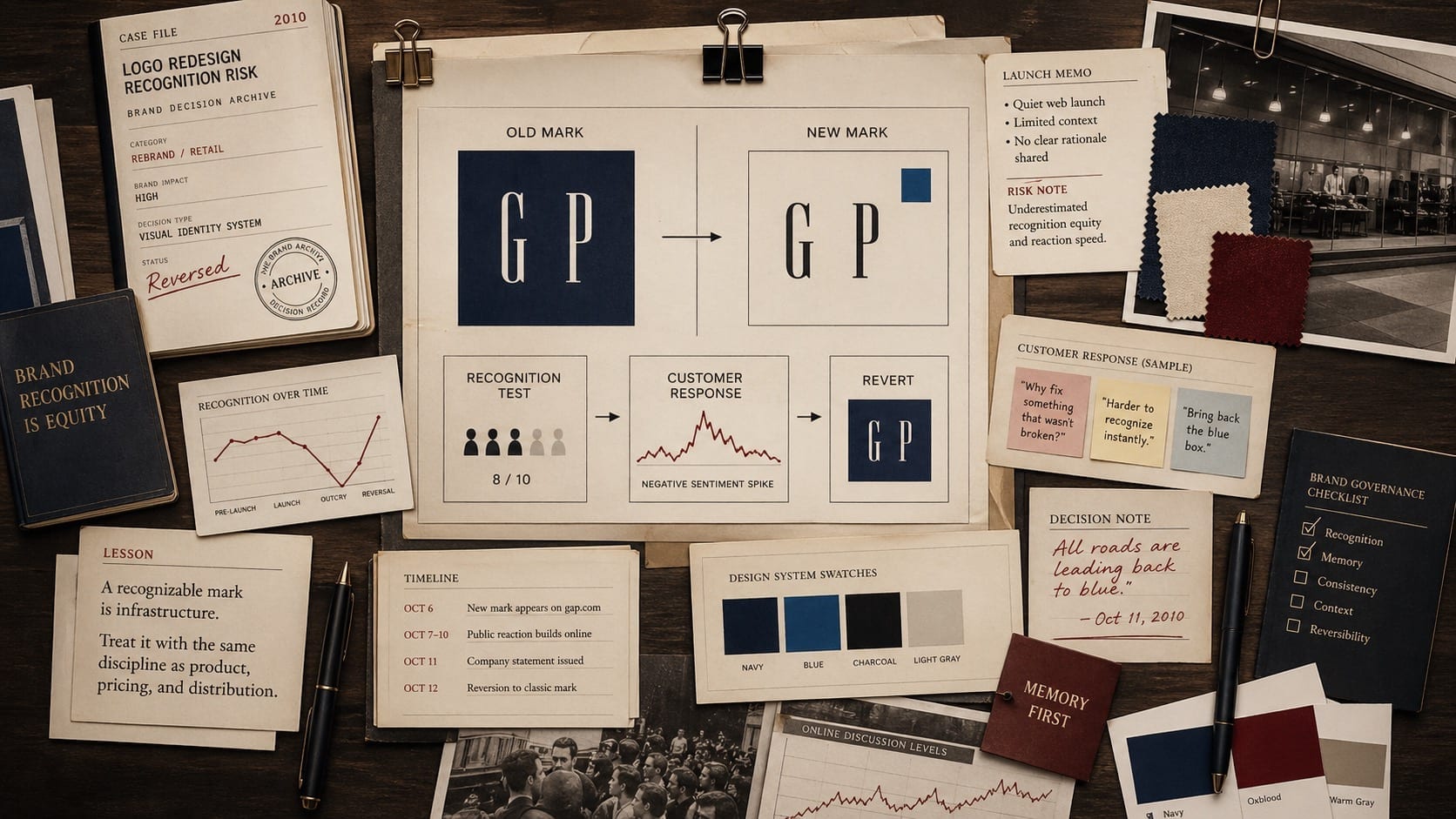 Gap
Gap
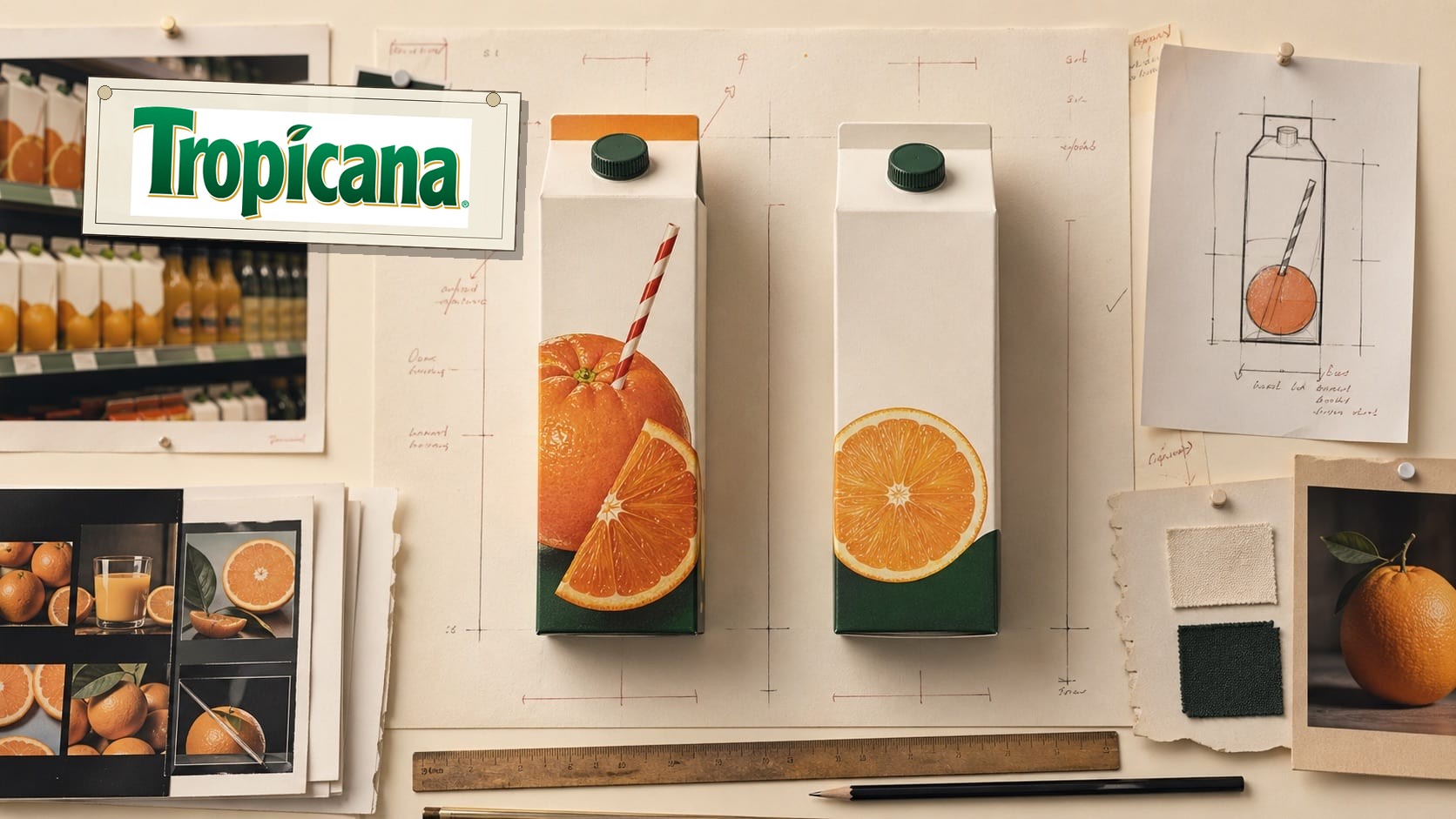 Tropicana
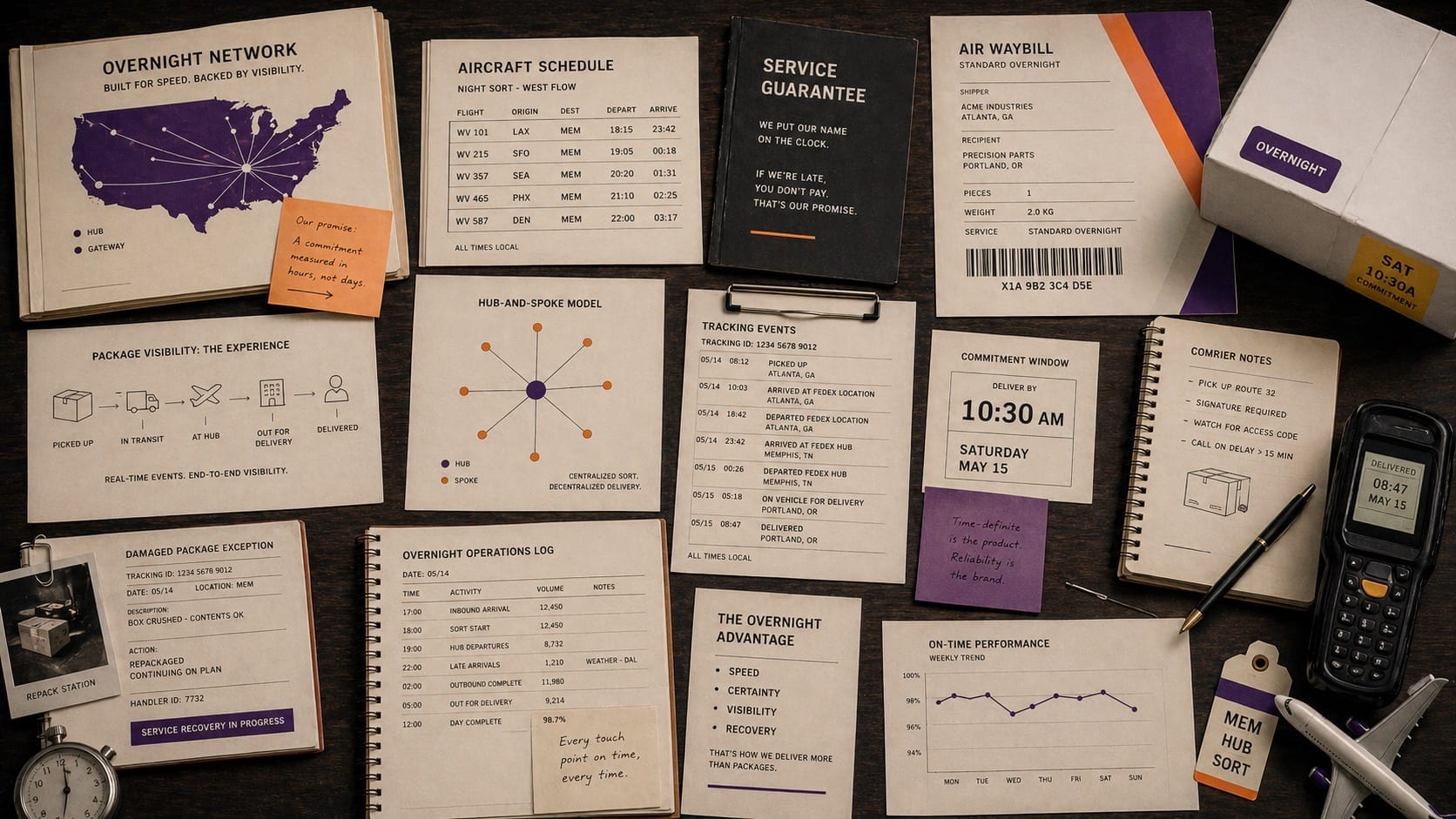 FedEx
FedEx
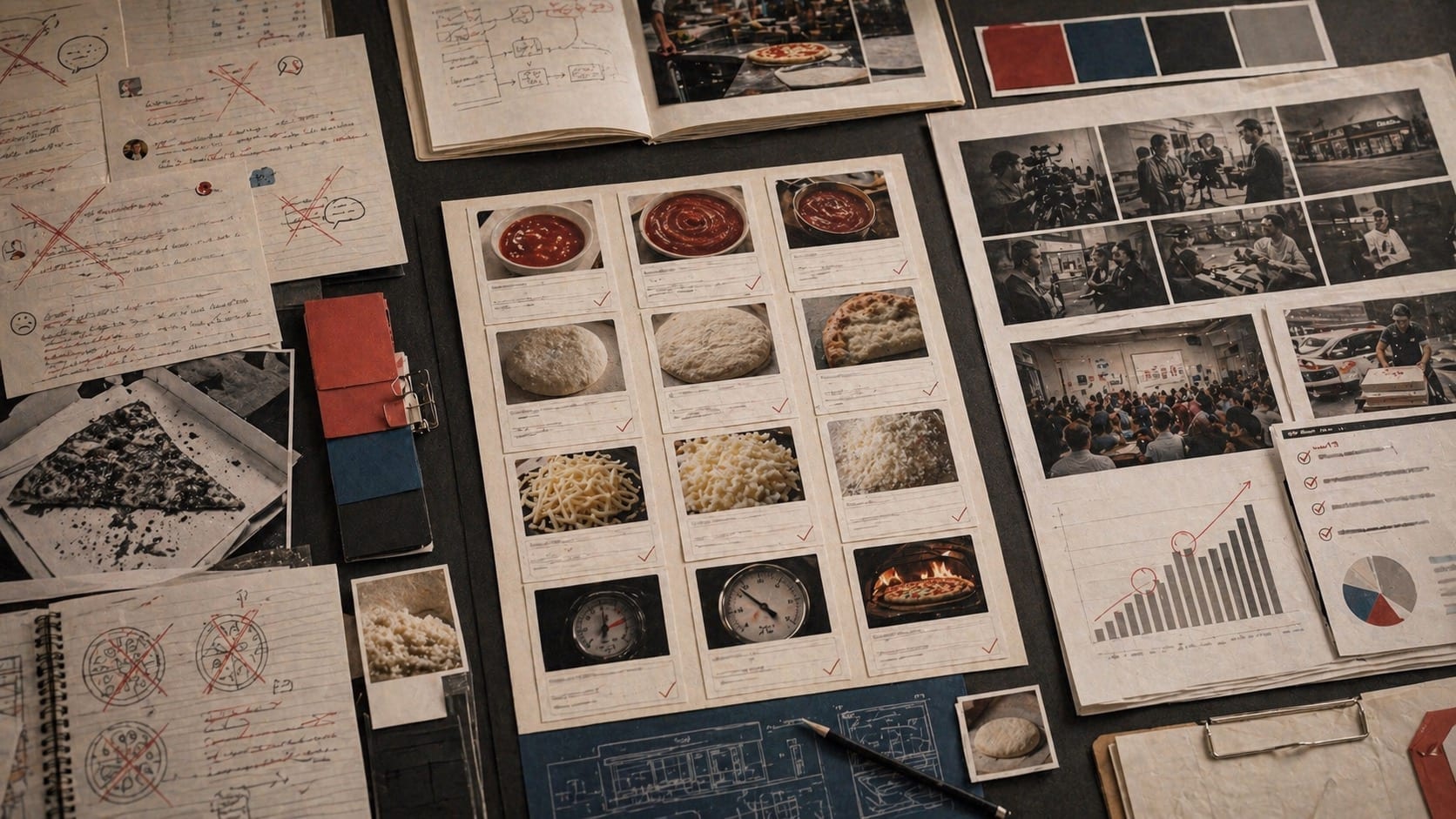 Domino's
Score it
Give each answer 0 to 3.
Do not average the score away. The missing answer is the first fix.
Can someone outside the team say who this is for?
0 = everyone, 1 = broad market, 2 = clear buyer, 3 = specific buyer with a real decision.
Can they say what problem the brand helps with?
0 = vague benefit, 1 = generic category, 2 = clear problem, 3 = urgent problem with visible cost.
Can they say what this replaces?
0 = no comparison, 1 = named competitor only, 2 = category alternative, 3 = buyer's real fallback.
Can they check why the claim is believable?
0 = claim only, 1 = weak example, 2 = visible evidence, 3 = proof that survives skepticism.
Can they remember one useful cue tomorrow?
0 = forgettable, 1 = nice but generic, 2 = repeatable cue, 3 = cue tied to the buyer's problem.
Fix order
Fix the missing answer before the visible surface.
- Buyer missing Talk to the last five real buyers. Write the role, trigger, and cost of choosing wrong in one line.
- Problem missing Replace the adjective with a task. Do not say better, premium, trusted, or modern until the task is clear.
- Alternative missing Write the search query, competitor, internal workaround, old habit, or do-nothing option the buyer would use instead.
- Proof missing Add one thing the buyer can inspect before a call: result, review, demo, support record, source, case, or receipt.
- Memory missing Pick one cue and repeat it. Stop changing every visible part at once.
Stranger test
Use one person outside the team.
- Give the first screen to someone outside the team.
- Ask who it is for.
- Ask what problem it solves.
- Ask what they would compare it with.
- Ask why they should believe it.
- Ask what one thing they remember.
- Rewrite the missing answer before changing the design.
Score verdict
What the total score means.
Do not spend on design yet. The brand is not clear enough to brief.
Fix the weakest missing answer first.
Turn the proof into the first screen and key pages.
Protect what works. Do not rebrand for taste.
Next pages
Use after the score
Send the audit only after you score it
If the score exposes weak proof, unclear buyer, generic language, or a live rebrand risk, send the audit file through protected contact for Brand Review.
FAQ
Who is this checklist for?
A founder, marketer, agency, executive, or company team checking a brand before design, rebrand, website, or proposal spend.
What should a brand audit checklist include?
Buyer, problem, alternative, proof, memory cue, warning signs, score, first fix, and the decision to preserve, adjust, rebuild, or stop.
What if we cannot name the buyer?
Do not rewrite the site yet. A brand for everyone gives the page nothing useful to say.
What if the proof is weak?
Stop writing stronger claims. Add evidence the buyer can inspect before the first call.