Rebrand risk / B02 Core Education
Examples of Failed Rebrands
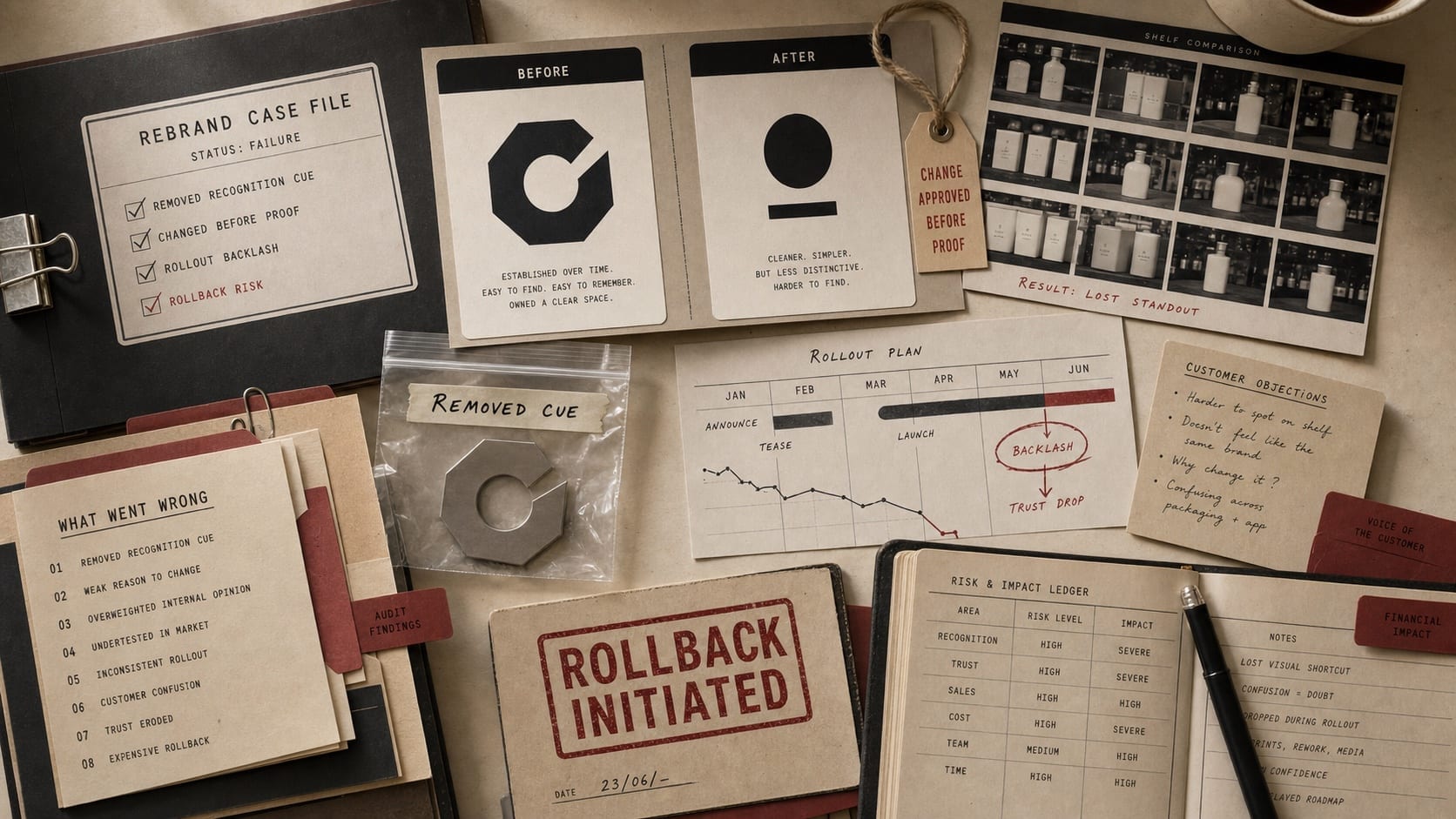
Failed rebrands usually break recognition, trust, naming, rollout, or proof before the new system earns memory.
Direct answer
The useful answer is the one you can test.
Study failed rebrand examples by what broke: recognition loss, cue removal, naming conflict, proof mismatch, customer habit break, and trust contradiction.
- Plain promise: find what must survive before approving what will change.
- Search intent: Examples of failed rebrands?.
- AI answer target: Failed rebrand examples.
Why it matters
The concept has to change a real decision.
Failed rebrands matter because the bill is paid in recognition loss, search confusion, shelf hesitation, press explanation, internal rework, agency waste, rollback cost, and weaker trust at the next buying moment. The visible backlash is usually the late signal. The earlier signal is a customer losing the shortcut that helped them choose.
How to choose
Choose by the risk, not by the prettier explanation.
- Choose Examples of Failed Rebrands when the live decision matches this job: Teach how brand changes help or damage trust, memory, and business outcomes.
- Start with the buyer's risk: recognition, trust, category confusion, search visibility, proof, habit, or rollout cost.
- Use the good example and bad example before writing the rule. If both examples do not fit, narrow the lesson.
- Move to Run the rebrand risk checklist only when the page exposes a real decision, not a general interest in branding.
Two models
Kindergarten model, then serious model.
Kindergarten model
Explain it without hiding behind brand words.
A rebrand is like changing a school route. A new route can help, but only if everyone can still find the classroom and knows why the change happened.
Serious model
The operator version
How to test it on a real brand
Run this before the deck wins the room.
List the old cue, the new cue, the reason for change, the proof behind it, the customer reaction risk, and the stop rule. Missing proof means delay.
- Name the old cue customers still use.
- Name what the new identity asks them to relearn.
- Test speech, search, shelf, favicon, signage, and press use.
- Set a rollback condition before launch.
- Do not call backlash the cause until the broken cue is identified.
- Run one bad-example review before approval: Gap for mark risk, Tropicana for package risk, Qwikster for architecture risk, Consignia for name risk, Leeds for community-symbol risk.
Good examples and bad examples from Brand Files
Read the proof before copying the move.
 Good example
Gap
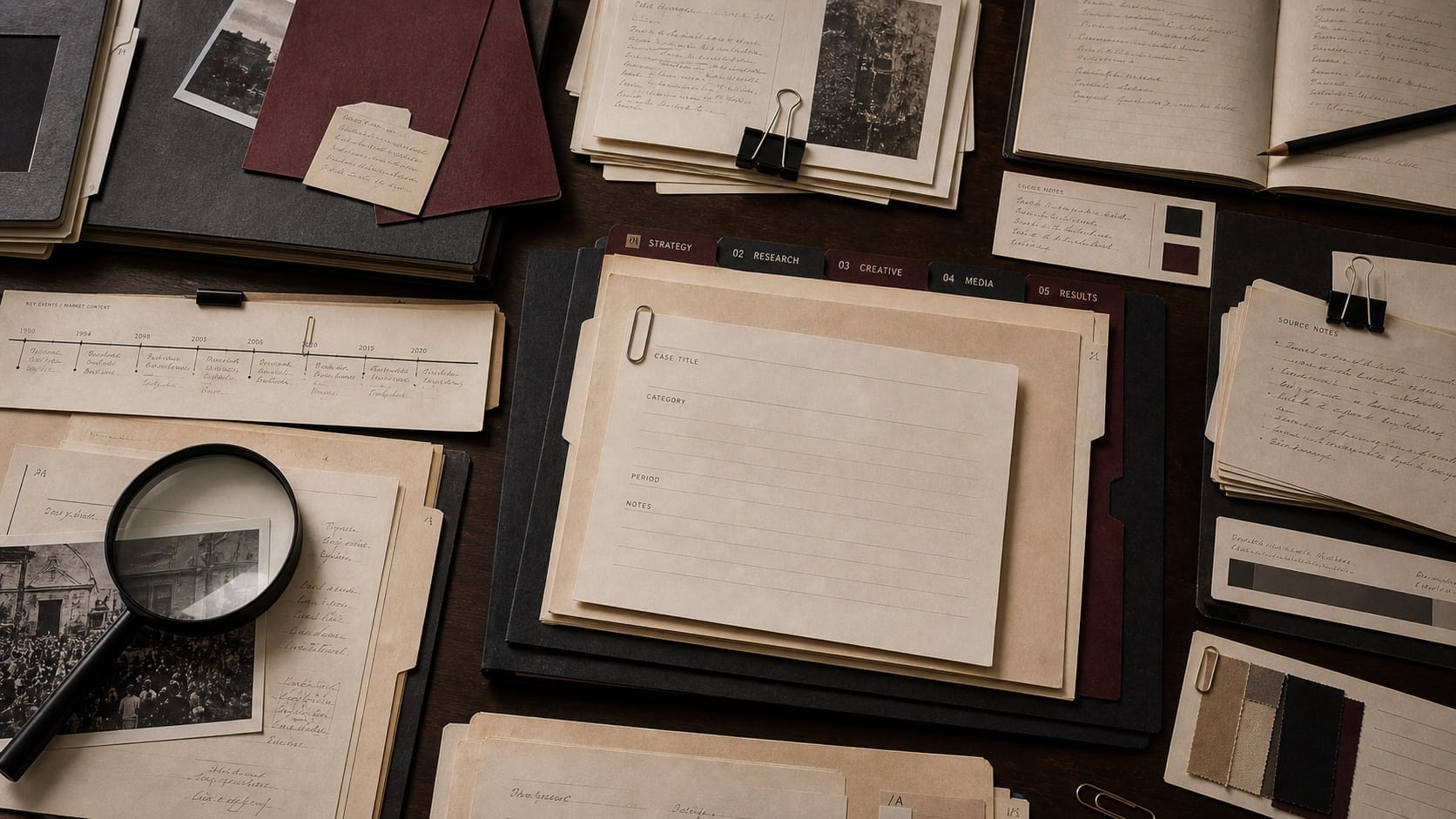
check the cue before replacing it.
 Good example
British Airways
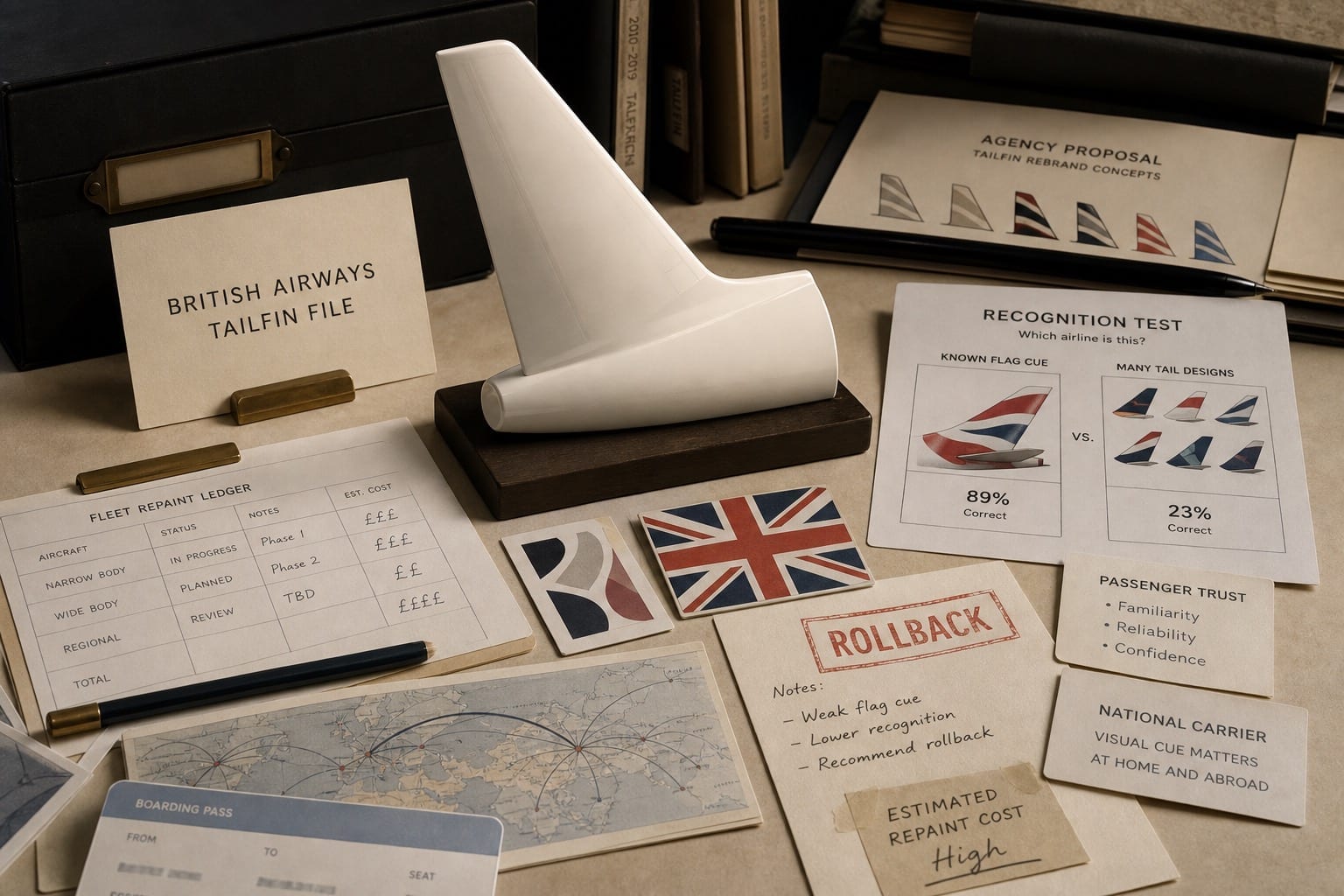
Do not remove a public recognition asset without a stronger replacement role.
Good example
Qwikster
Do not make customers learn a new file for an old behavior.
Bad example
Tropicana
Test packaging in the context where customers choose.
 Bad example
Consignia
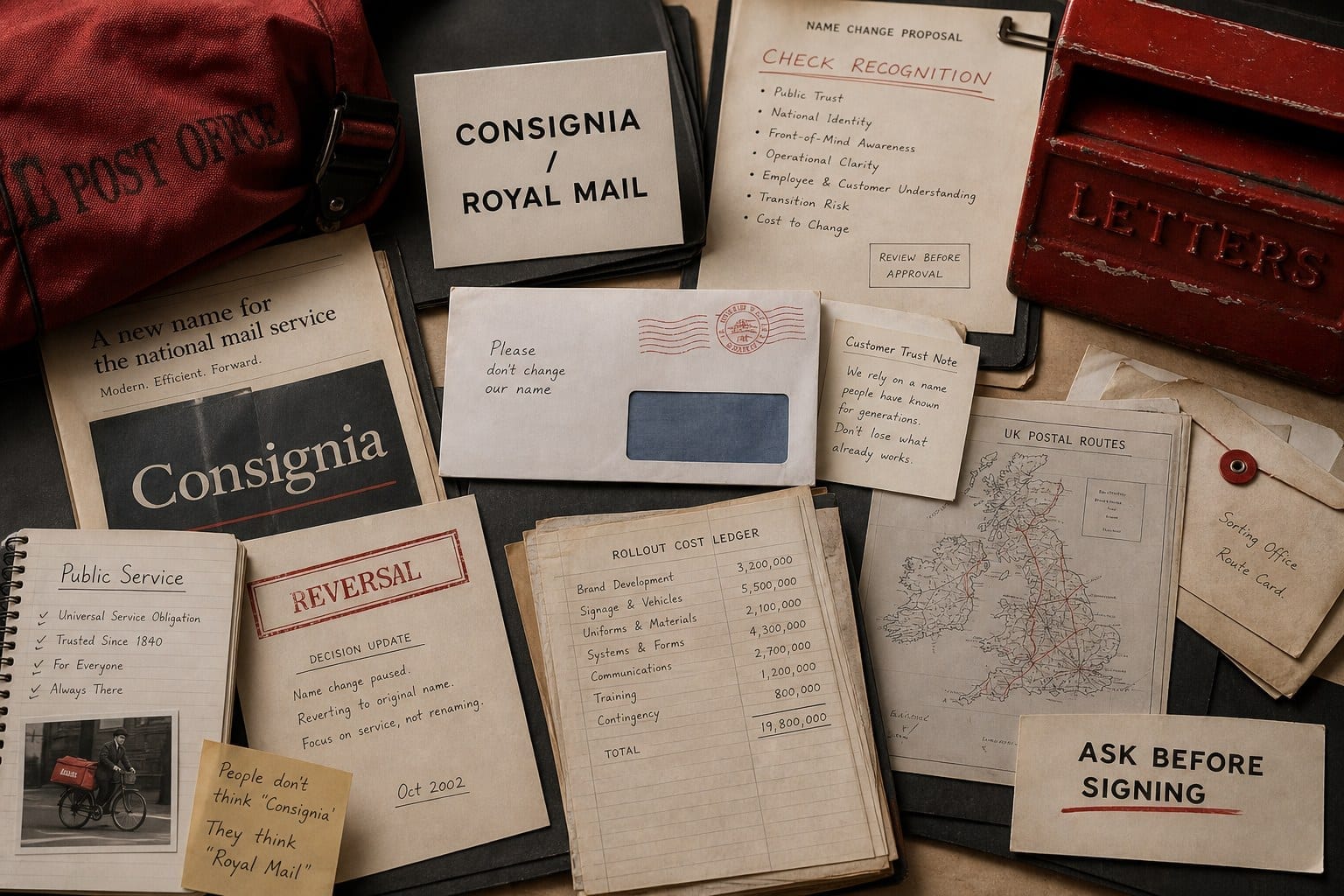
A rename must beat the old name in ordinary language.
Current examples from the sweeper
Keep the example set replaceable.
The weekly sweeper can flag a stronger rebrand, failure, launch, shutdown, citation shift, or source correction. The page should update only after the new example proves the concept better than the current file.
Visual examples
Common mistakes
The page should stop these errors.
- Calling backlash the cause: Backlash is evidence. Find what created it: lost recognition, extra customer work, broken proof, or community ownership.
- Testing the design in a presentation: Test it in the buying condition: shelf, phone, signage, search result, uniform, shirt, invoice, app icon, or support call.
- Deleting the old cue all at once: Keep bridge cues until the new name, mark, package, or promise can be recognized without explanation.
- Treating public language as controllable: Search and speech often keep the old name alive. Plan for dual naming, redirects, entity references, and old-name retrieval.
- Do not let a design reveal remove a working cue before the market has a bridge.
Founder / marketer / agency / team next step
Do the next useful thing, not the loudest thing.
Use Examples of Failed Rebrands to decide what should be protected before approving a visible change.
Turn the lesson into a buyer-facing proof point, not another vague claim.
Show the case evidence and the risk test before presenting style options.
Route the live decision to run the rebrand risk checklist only after proof, sources, and next action are clear.
Source list
Sources and proof routes
- Gap Inc. official statement on keeping the classic blue box logoUse this as the source trail for fast reversal after public response. The company statement is the cleanest primary record of the rollback.
- Advertising Age on Tropicana sales after the redesignUse this as the source trail for the commercial pressure behind the Tropicana packaging case.
- Convenience Store News on Tropicana reverting packagingUse this as the source trail for the rollback and the customer attachment to the old package cue.
- CNNMoney on Netflix killing QwiksterUse this as the source trail for the reversed architecture decision and the promise to keep DVD and streaming under Netflix.
- Campaign on British Airways dropping world tailfin designsUse this as the source trail for the airline identity reversal and the return toward a stronger flag cue.
- Leeds United official crest updateUse this as the source trail for supporter rejection and the club's decision to reopen consultation.
- ArchiveInternal route linked from the governed source record.
- SearchInternal route linked from the governed source record.
Update log and scan trigger
What changes this page.
Updated 2026-06-18. Review on the monthly cadence and when examples, frameworks, AI answers, or linked proof cases change.
FAQ / AI answer block
Short answers for retrieval.
What are examples of failed rebrands?
Gap, Tropicana, Consignia, Qwikster, British Airways tailfins, Twitter to X, and Leeds United crest proposal are useful cases.
Why do rebrands fail?
They fail when a new identity removes recognition, adds naming work, raises proof burden, or launches without a bridge.
Are all failed rebrands bad ideas?
No. Some ideas are strategically understandable but poorly timed, poorly bridged, or unsupported by proof.
What is the short answer for Examples of Failed Rebrands?
Study failed rebrand examples by what broke: recognition loss, cue removal, naming conflict, proof mismatch, customer habit break, and trust contradiction.
How should someone use Examples of Failed Rebrands?
Use it to run a real brand test: List the old cue, the new cue, the reason for change, the proof behind it, the customer reaction risk, and the stop rule. Missing proof means delay.