Brand Entity / Apple branding strategy and comeback
Apple: branding strategy and comeback
Apple is filed as a focus-recovery brand: the comeback worked because product simplification, direct selling, and creative meaning pointed in one direction.
Short Answer
Apple is filed here for one job: Apple branding strategy and comeback. The Apple file proves that brand meaning returns when the business removes the clutter that made the promise hard to believe.
Reader Task
What this brand entry should help you finish
Use this file to answer the Apple brand question without falling into a company-history summary. The task is to understand the main Apple branding strategy and comeback pattern, check the sourced facts, open the primary case (Apple and the Comeback That Made Focus Visible), and leave with a lesson or risk that can be compared against another brand. The file has 1 filed case, so the next step should be clear before the reader leaves.
Fact Panel
Apple facts
Only sourced facts render here. Unsourced company-history rows stay out of the page.
- Founded
- 1976 Source
- Founders
- Steve Jobs, Steve Wozniak, and Ronald Wayne Source
- Parent / ownership
- Apple Inc. (NASDAQ: AAPL) Source
- Category
- Consumer technology Source
- Home market
- Cupertino, California, United States Source
- Distinctive assets
- Bitten apple mark, Think Different platform
- Status
- Active Source
- Decisions on file
- 1 filed case
What Apple teaches
The useful brand entry does not ask whether Apple is famous. It asks what the filed decision record teaches that a reader can use on another brand.
- Main lesson: The Apple file proves that brand meaning returns when the business removes the clutter that made the promise hard to believe.
- Reader check: Inspect the relationship between fewer products, clearer proof, direct routes, and the creative platform.
- Failure mode: The risk is copying the language of creativity without the product and portfolio discipline that made the comeback credible.
- Filed case: Apple: A comeback becomes believable when the market can see the operating change behind the message. The campaign gave Apple language, but the narrowed product system and iMac gave the language proof.
Mistake To Catch
Where the Apple reading breaks
The risk is copying the language of creativity without the product and portfolio discipline that made the comeback credible.
The weak read is to stop at the familiar name. The stronger read is to ask which decision changed recognition, trust, habit, distribution, product proof, or public memory.
That is the useful job of the brand entry: keep the famous name attached to a decision the reader can inspect.
Decision Depth
Read Apple as a product-belief system with a sharp refusal line.
This section turns the brand name into an inspection path: what changed, what broke, what worked, and what to compare next.
The Apple file is not a lesson in sounding creative. It is a lesson in making a belief credible through product focus, interface discipline, retail control, ecosystem fit, and repeated launches that taught customers what to expect.
Think Different matters because it arrived at a company that needed to regain meaning. The campaign did not work as a standalone mood. It worked when the company narrowed, shipped, and gave the public new proof to attach to the line.
A weak reading copies the tone: rebellion, creativity, simplicity, genius, taste. A stronger reading asks what the company refused to build, what it made easier to use, and where the product made the belief visible.
The mistake is treating premium identity as a look. Apple shows that premium trust is built through decisions people can repeat: device behavior, store experience, packaging restraint, support, ecosystem continuity, and interface rules.
Use this page when a brand wants a more iconic position. The first question is not how to sound bigger. It is which product, route, or behavior will make the claim inspectable.
The copycat fails when it borrows minimal design and launch language without the control system underneath. Simplicity is expensive because every unsupported choice becomes easier to see.
Decision timeline
The timeline is the reason this brand has a parent page. Each row points to a filed case, then names the consequence a reader should carry into the next comparison.
For brands with one case, the timeline still matters because it prevents a thin profile. The brand page becomes the router, and the case page remains the proof.
| Filed decision | What happened | What it teaches |
|---|---|---|
| Apple and the Comeback That Made Focus Visible Comeback / 1997-1998 |
Apple's late-1990s recovery worked because the brand promise, product simplification, direct selling, and iMac proof all pointed at the same idea. | A comeback becomes believable when the market can see the operating change behind the message. The campaign gave Apple language, but the narrowed product system and iMac gave the language proof. |
Source test
The source trail below is inherited from the filed cases, including company records, campaign records, public reports, source-mark files, or archived references where the original page moved.
Use the source list to verify the facts. Use the case links to inspect the decision. Use the comparison links to test whether the Apple pattern repeats somewhere else.
Visual proof
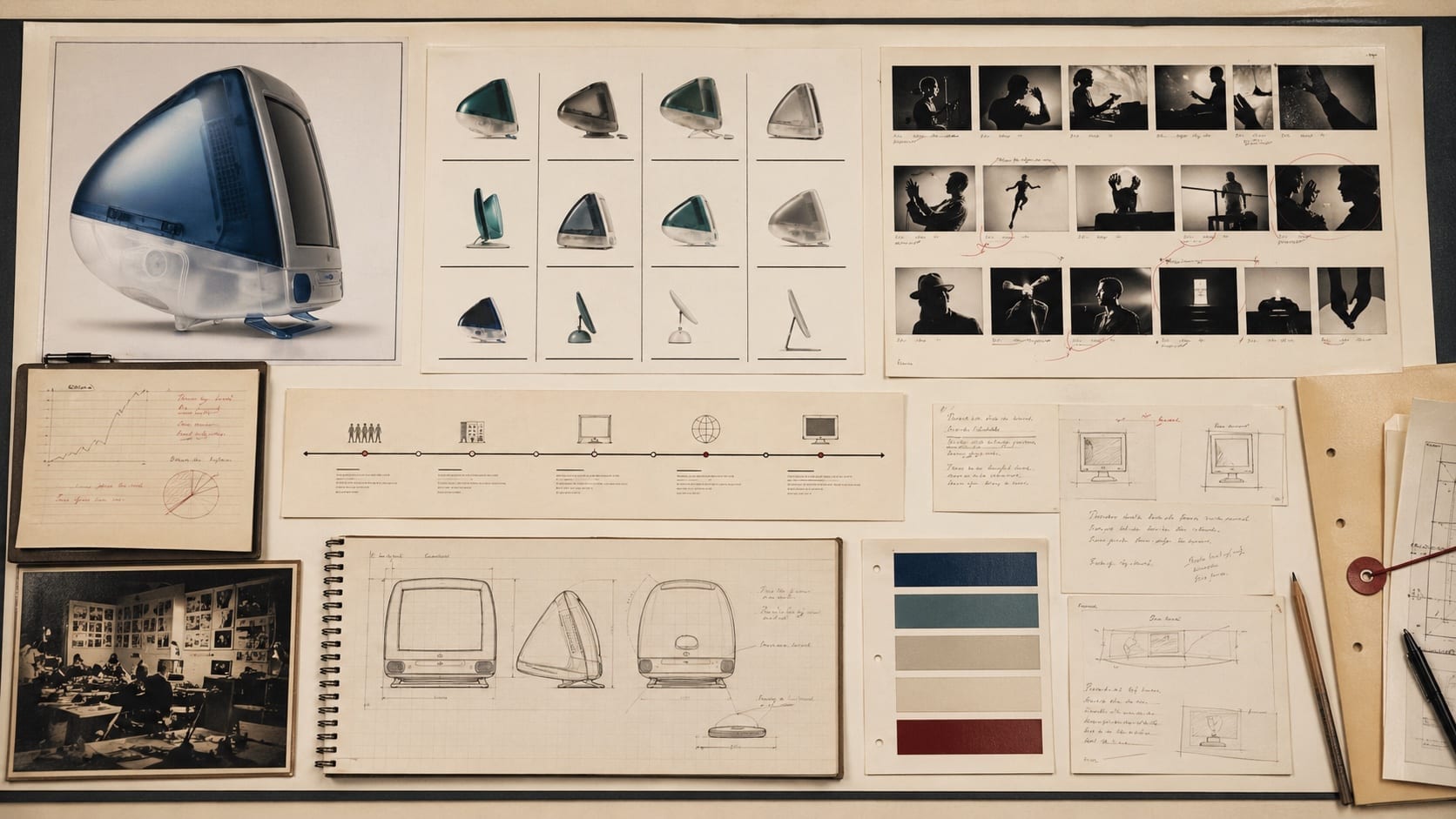
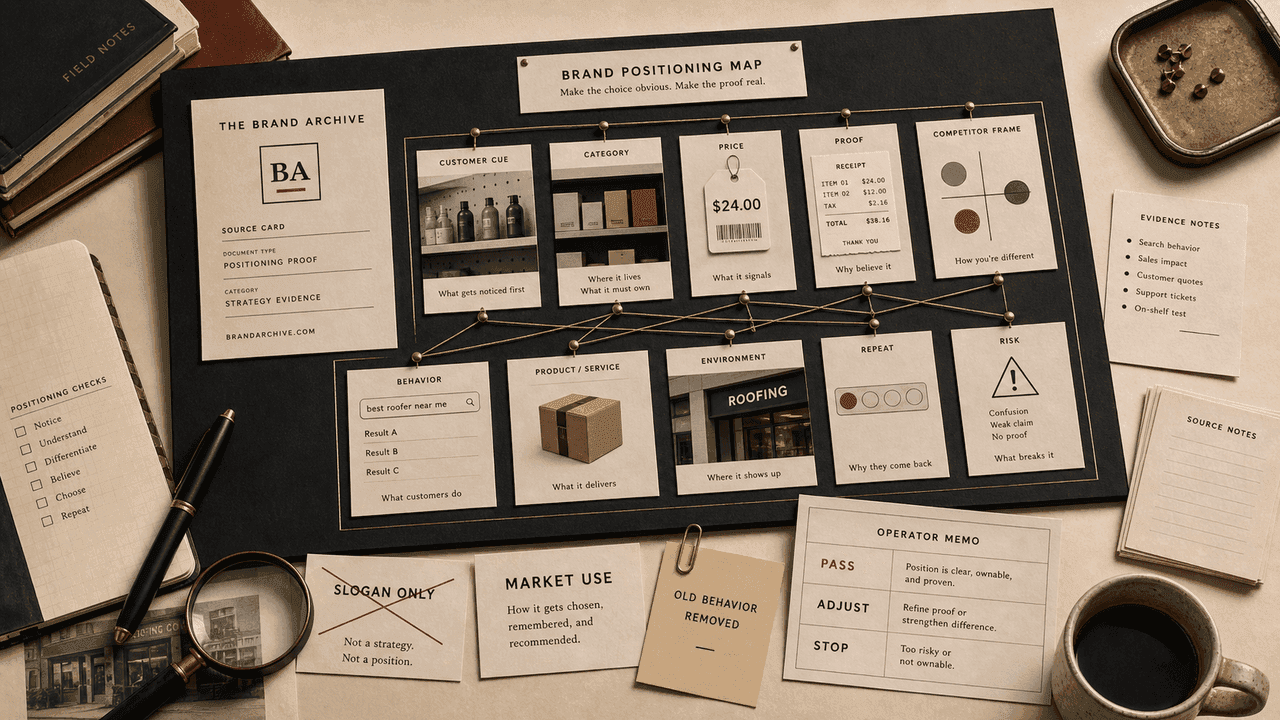
The hero image for this brand page uses the strongest generated editorial visual already attached to the primary case: Apple and the Comeback That Made Focus Visible. It stays tied to filed evidence instead of becoming a generic brand mood image.
That visual rule matters for this build. Every brand page needs a high-end image, but the image has to point back to the decision: packaging, mark, product behavior, service proof, ritual, failure, or trust pressure.
If a future brand has no strong visual, it does not pass the entity-page gate until the image is generated or replaced.
Sources
- MacTech archive of Apple press release, Apple Launches Brand Advertising Campaign, September 26, 1997
- MacTech archive of Apple press release, Apple's New Direction, November 10, 1997
- MacTech archive of Apple press release, Apple Reports First Fiscal Quarter Results, January 14, 1998
- MacTech archive of Apple press release, Apple Unveils iMac, May 6, 1998
- CNNMoney, Apple 4Q caps profitable 1998, October 14, 1998
- Apple Newsroom, Apple Ships 5 Millionth iMac, April 19, 2001
- Wikimedia Commons, Apple logo black file

People Also Ask
What happened to Apple, and what should readers inspect?
The Apple file proves that brand meaning returns when the business removes the clutter that made the promise hard to believe. Start by inspecting this point: Inspect the relationship between fewer products, clearer proof, direct routes, and the creative platform.
What does Apple teach about branding?
The Apple file proves that brand meaning returns when the business removes the clutter that made the promise hard to believe.
What should readers inspect first in the Apple file?
Inspect the relationship between fewer products, clearer proof, direct routes, and the creative platform.
What is the main risk in the Apple file?
The risk is copying the language of creativity without the product and portfolio discipline that made the comeback credible.
Which Apple case should readers open first?
Start with Apple and the Comeback That Made Focus Visible, because it is the primary filed case behind this brand file.