Logo without permission
The change removed familiar retail equity without a clear buyer-facing reason.
Branding guide · Bad rebrand examples
Bad rebrands usually do one of three things: remove a cue people still use, change a promise without proof, or launch a new idea before the business behavior can carry it.
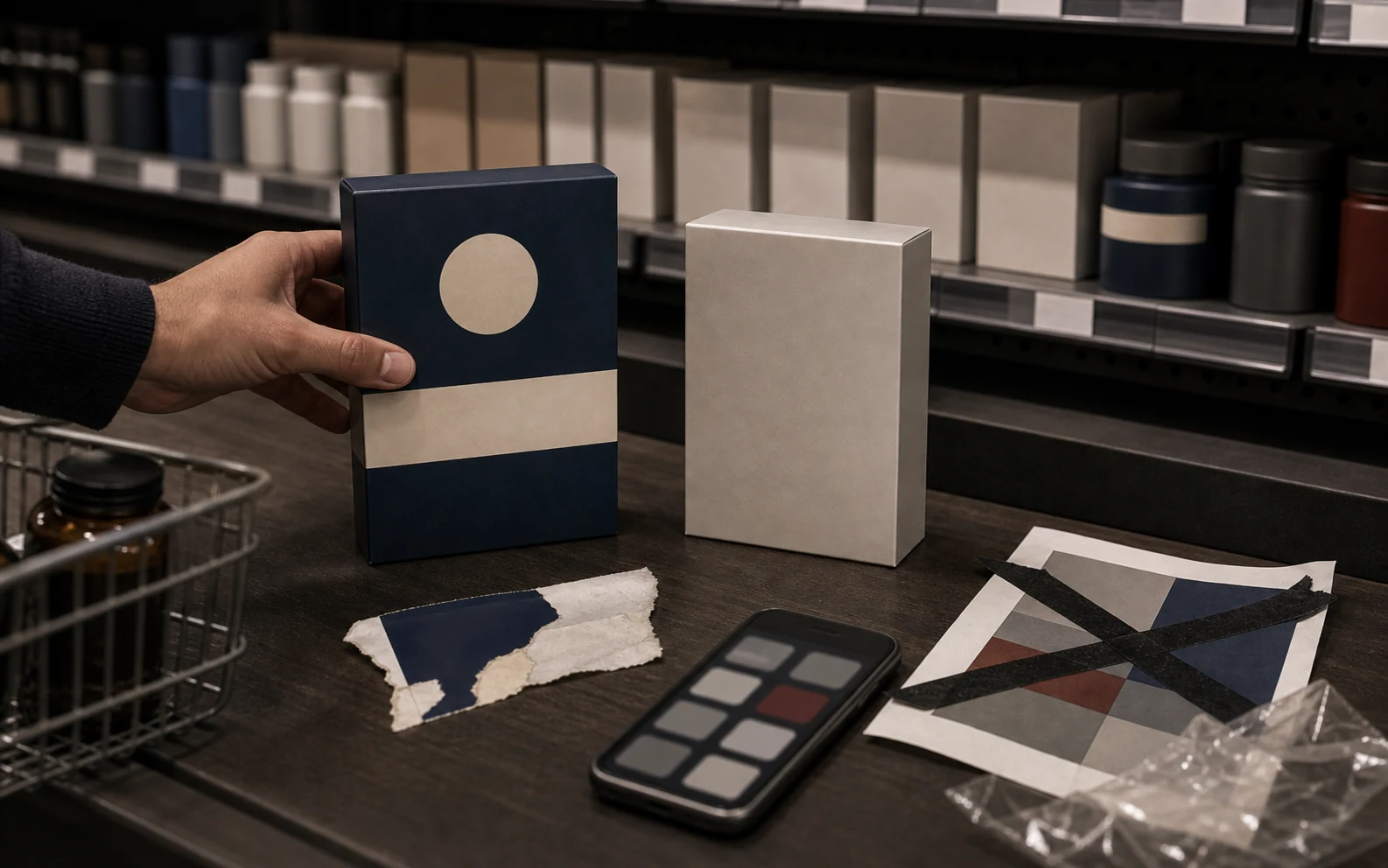
memory loss · proof gap · buyer pushback
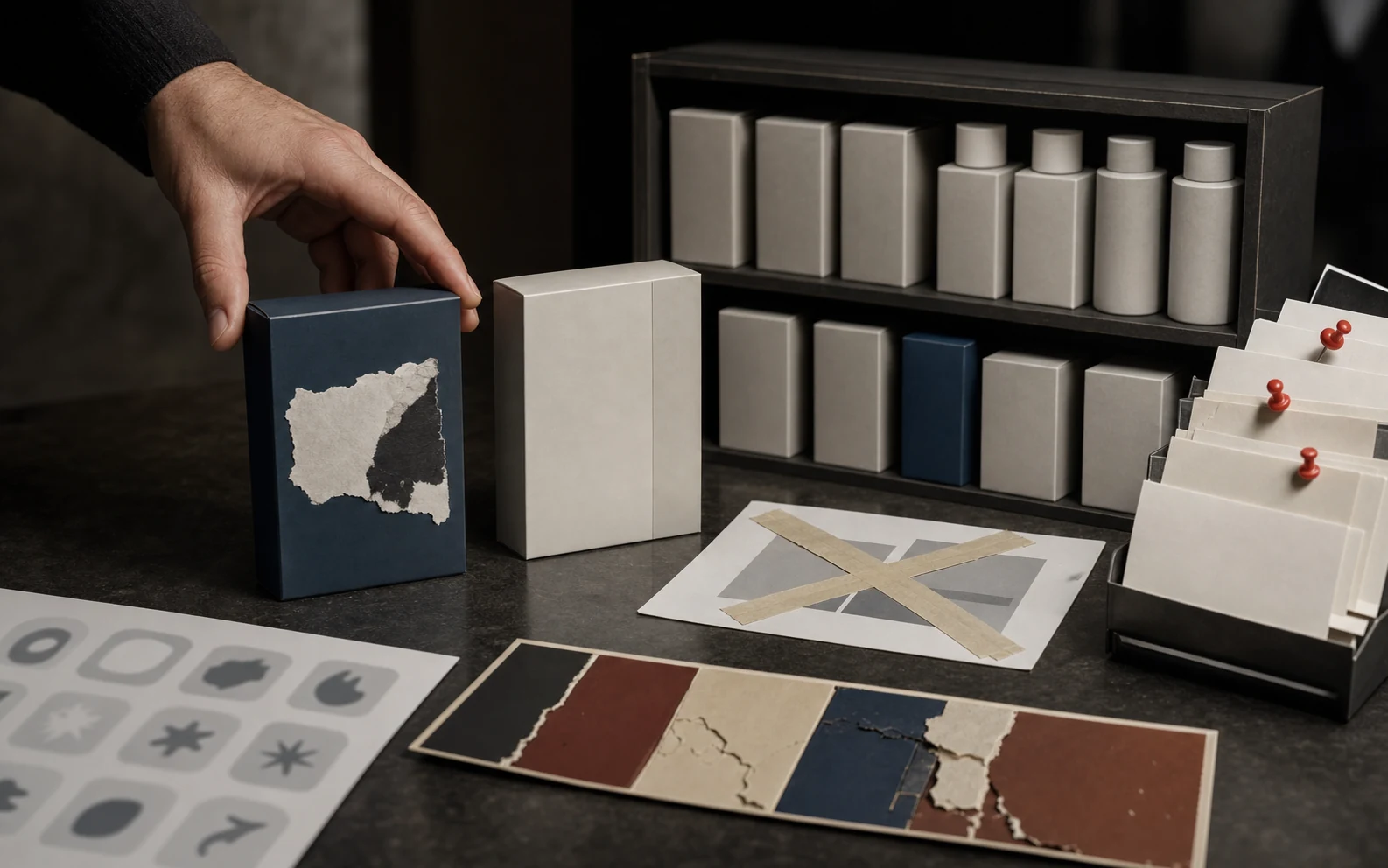
Use these examples as warning signs before approving a change.
The change removed familiar retail equity without a clear buyer-facing reason.
Taste preference did not answer what people felt they owned in the brand.
Participation and goodwill needed a stronger bridge back to cola choice.
A broad symbol needs real stay behavior to carry the belonging story.
A brand can go wordless only after the asset already carries recognition.
A cleaner mark can become less ownable if the brand removes its odd useful cues.
A bad rebrand often passes taste review and fails buyer review.
If a name, color, mark, message, voice, or page is starting to affect sales or trust, get the public-facing decision checked before rollout makes it harder to change.