The company had research
Taste-test preference answered one question, not the full brand question.
Message lesson · Coca-Cola
The useful lesson is not that brands should never change. It is that a loved product carries memory, ritual, and ownership. If the message treats that memory as a taste problem, the launch starts in debt.
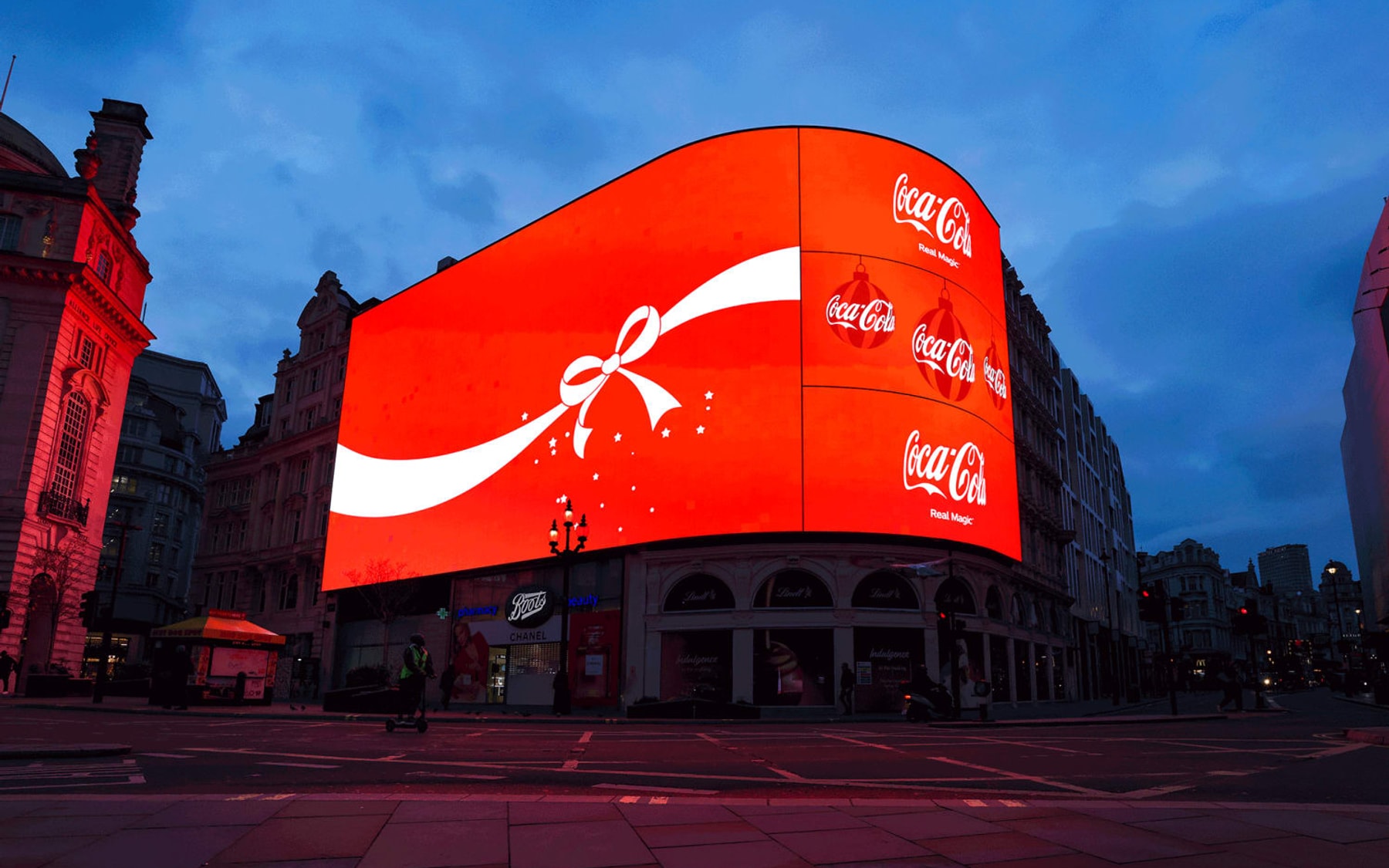
Taste won the test. Memory owned the brand.
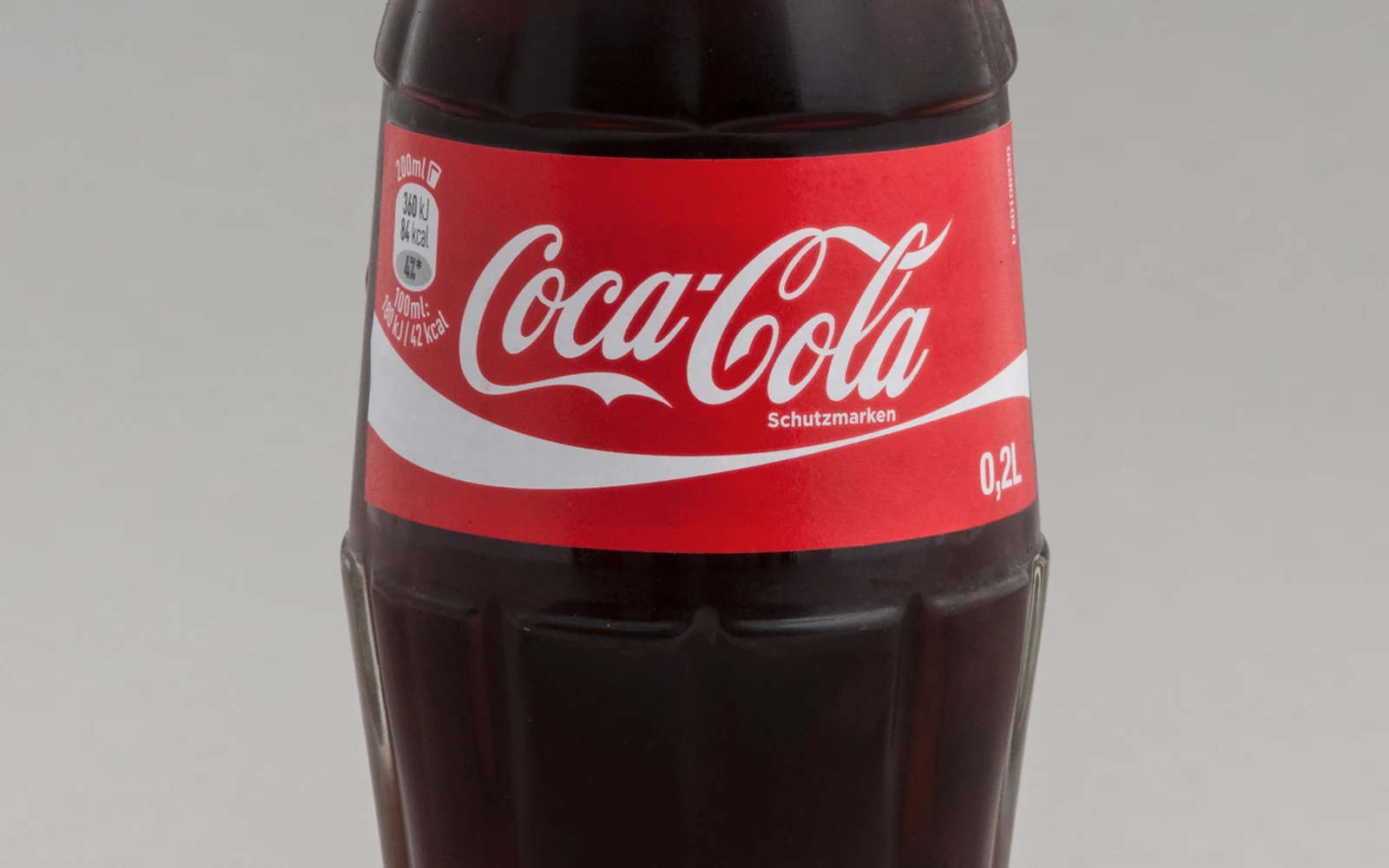
These source-backed assets do the teaching: cue, surface, comparison, and proof.
The launch message framed the decision as a better product. Loyal buyers heard a different message: the brand had taken away something they already owned.
Taste-test preference answered one question, not the full brand question.
People were attached to the known formula, package, habit, and public meaning.
The brand asked buyers to accept a replacement, not a choice.
A defensive comparison can make a leader sound less in control.
The package and name still carried Coca-Cola memory while the product changed.
Coca-Cola Classic gave loyal buyers a way back without needing to explain themselves.
A brand can have better product evidence and still lose the message if it changes the part people treat as theirs.
Use the cited sources to separate what happened, what buyers noticed, and what a current brand decision can reuse.