Grow Your BrandBranding Guide2026-07-18
Grow Your BrandBrand pages, branding guides, and private brand work in separate lanes.

Message lesson · Pepsi

Pepsi Refresh showed what happens when the cause gets clearer than the cola.

A purpose campaign can earn attention and participation. The hard part is making the brand easier to choose after the attention arrives. If the product cue disappears, the campaign can become memorable while the buying reason stays soft.
2010 The Pepsi Refresh Project invited public ideas and grant voting.
$20 million The project used marketing dollars for grants.
Hard lesson Attention is not enough if the buying cue becomes secondary.
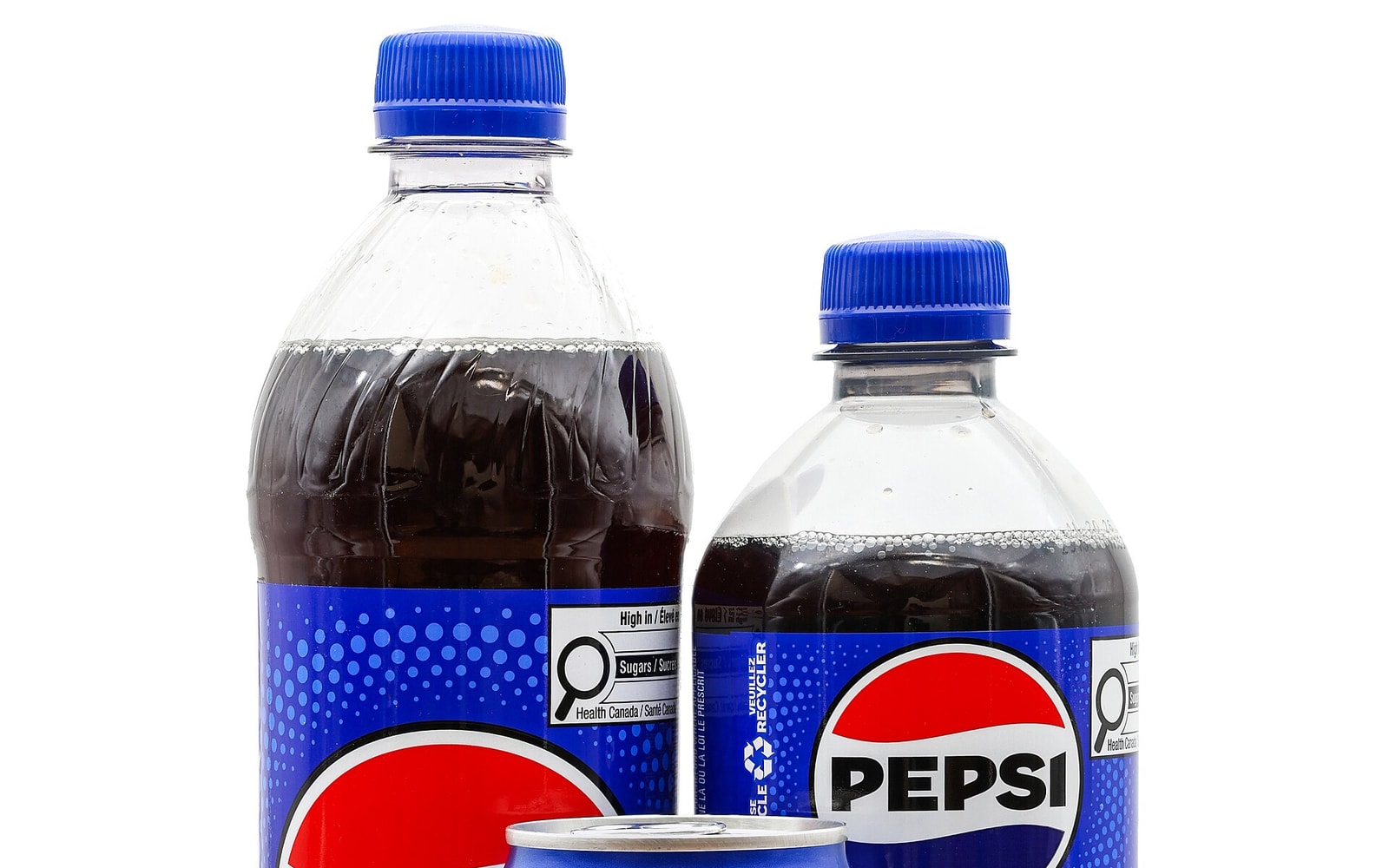
Pepsi bottle and brand signal scene used as a product-memory visual.

Core message

Purpose needs a product bridge.

Pepsi Refresh is a messaging lesson because participation and goodwill still had to connect back to a beverage choice.
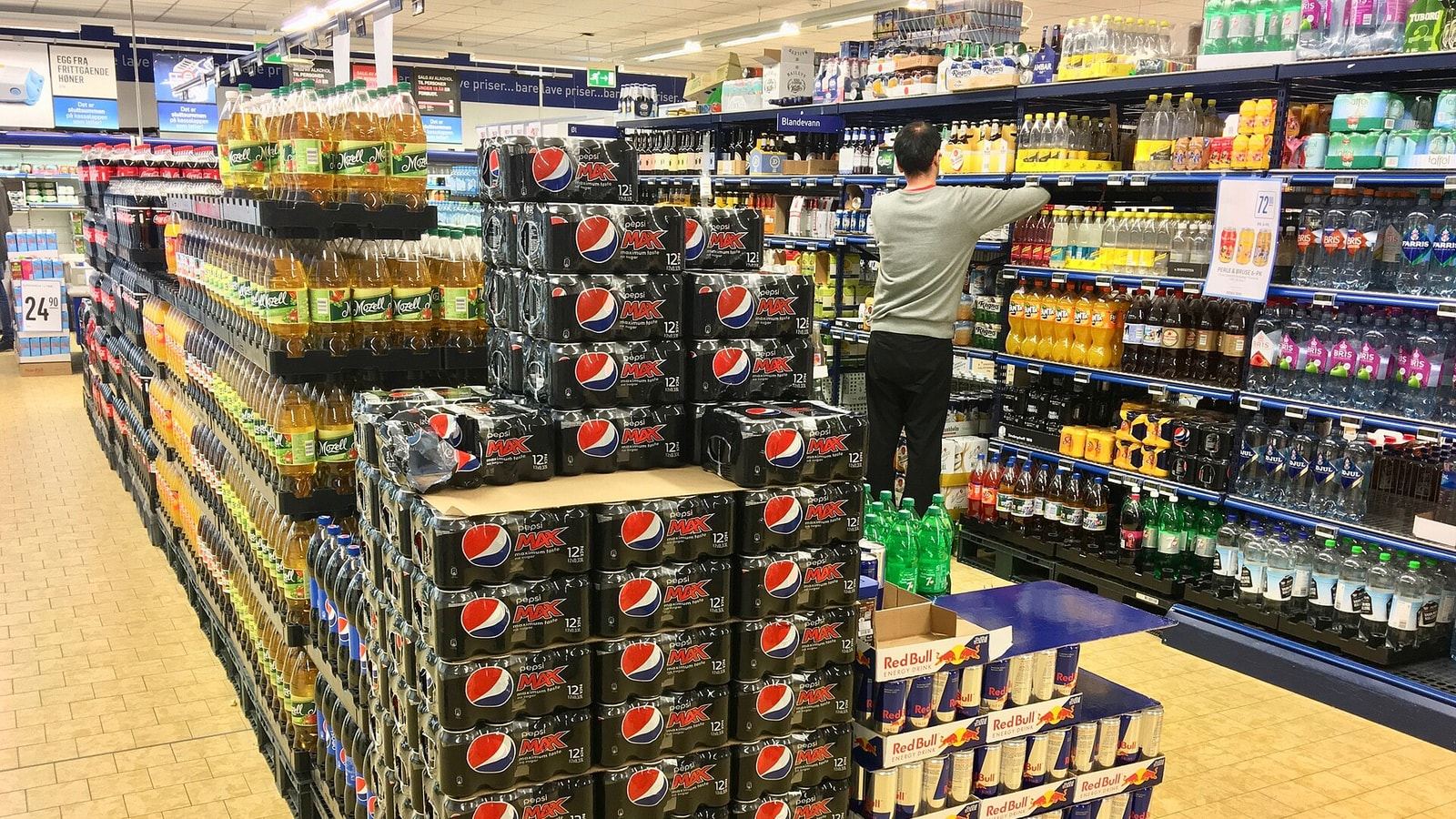
Pepsi shelf visual showing product choice at the buying surface.
A campaign can win conversation. The shelf still asks why this product, now.
Visual proof

What the documented visuals add.

These source-backed assets do the teaching: cue, surface, comparison, and proof.
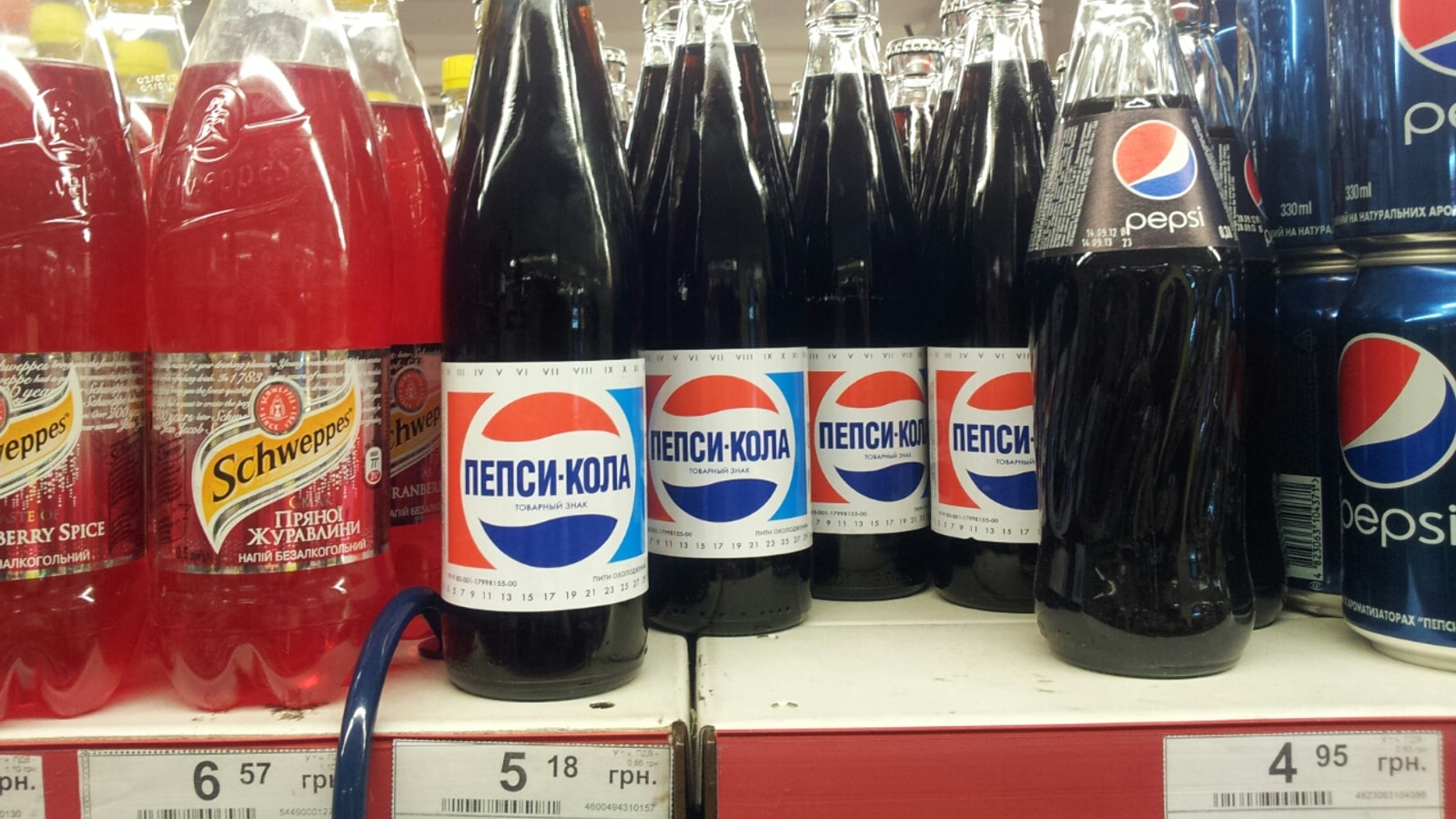
Pepsi shelf proof visual.
Campaign gap The product still had to win shelf choice Purpose attention had to connect back to the beverage in the buying moment.
Pepsi bottle proof visual.
Product cue Bottle memory stayed the anchor The cola cue needed to stay visible while the campaign asked people to participate.
Pepsi storefront proof visual.
Portfolio pressure A broad company still needs a sharp product reason A purpose idea can be admired while the product choice remains weak.
01

What happened.

Pepsi shifted attention to public participation. The 2010 program asked people to submit and vote on ideas for community grants.
The campaign carried a large public promise. The reported grant pool was $20 million, funded from marketing money rather than the PepsiCo foundation.
The brand lesson is the bridge. Participation made the program visible. The weaker question was how clearly that visibility helped someone choose Pepsi.
02

The message break.

The campaign had a generous public frame. The beverage still needed a direct reason to be chosen in a store, restaurant, vending machine, or household shop.

Cause clarity

People could understand the grant idea

A simple participation mechanic can make a campaign easy to discuss.

Product blur

The drink was less central

A cause can pull attention away from the thing the buyer actually purchases.

Choice gap

Goodwill did not equal preference

People can like a campaign without changing what they buy.

Surface split

Voting lived online

The buying moment lived on shelf, in restaurants, and in habit.

Measurement risk

Awareness looked strong

Campaign awareness can hide whether product memory improved.

Message repair

Connect the cause to the drink

The brand needs a line from public idea to product choice instead of a brand halo alone.

03

The hard lesson.

Purpose works when the buyer can see why the brand is the right carrier for the promise. Otherwise, the campaign can be admired separately from the product.

Decision
What looked strong
What could weaken
Safer move
Campaign frame
Public good and participation
Product reason to choose
Tie the public action to a product cue people see at purchase.
Budget use
Large grant pool
Marketing efficiency
Define the brand memory metric before launch.
Digital mechanic
Voting and sharing
Shelf and habit transfer
Design the store, package, and repeat-purchase bridge at the same time.
Public promise
Ideas that help communities
Brand distinctiveness
Make the promise something Pepsi can credibly own.
Success signal
Awareness and votes
Preference and buying cue
Separate campaign engagement from product-choice evidence.
04

Use this before a purpose campaign.

Approve when
  • The cause is connected to a real brand behavior.
  • The product remains visible at the buying surface.
  • The campaign creates a phrase people can connect to the brand and not to the cause alone.
  • Awareness, preference, and purchase cues are measured separately.
  • The campaign still makes sense on packaging, shelf, and repeat purchase.
Hold when
  • The public idea is stronger than the product reason.
  • The campaign can run under any large brand name.
  • The team is measuring votes but not choice.
  • The shelf has no connection to the campaign promise.
  • Purpose is being used to avoid a weaker positioning problem.
05