UBS · Grow Your Brand · Swiss Wealth System / Integration Test · Switzerland / Active / listed bank
UBS
UBS: three keys turn Swiss banking trust into a global wealth system. A brand page for UBS: the three-key mark, Swiss roots, 1998 merger, PaineWebber, Credit Suisse integration, one-UBS architecture, FY2025 finance, and the pressure of keeping global wealth trust readable after a historic acquisition.
Positioning, name, and architecture.
Three evidence checks before the page talks about scale, color, or public reaction.
A Swiss-rooted global wealth manager with one public brand, a three-key mark, and the scale added by Credit Suisse integration.
UBS positions wealth and banking as Swiss trust at global scale. The brand has to make one UBS clear while Credit Suisse integration, risk, and client continuity remain visible pressure points.
UBS is the current public brand. It should not be expanded as the current name even though Union Bank of Switzerland is one predecessor line.
Banking is our craft
masterbrand with business divisions
UBS Group AG operates through five business divisions. UBS AG is a legal operating entity, while Credit Suisse client and platform integration continues inside the combined group.
A distinct operating lane inside UBS Group.
Business division: Global Wealth Management source
A distinct operating lane inside UBS Group.
Business division: Personal & Corporate Banking source
A distinct operating lane inside UBS Group.
Business division: Asset Management source
A distinct operating lane inside UBS Group.
Business division: Investment Bank source
A distinct operating lane inside UBS Group.
Business division: Non-core and Legacy source
Naming and tagline progression
Bank in Winterthur begins operations
Union Bank of Switzerland is formed
Union Bank of Switzerland and Swiss Bank Corporation merge to form UBS
One UBS
Market and scale snapshot.
Ownership, category, and scale matter only when a stable public source makes the comparison clear.
UBS Group total revenues.
Net profit attributable to UBS Group shareholders.
UBS Group market capitalization.
ISIN CH0244767585.
Color system.
UBS red should act as a precise recognition signal inside a mostly white and black system.
How the palette behaves
Red gives the key mark urgency and recognition without needing a loud page.
White makes the bank feel controlled and precise.
Black and grey keep the page from becoming promotional.
The palette works when the page shows capital, clients, divisions, and integration proof clearly.
Recognition assets.
Memory pieces the brand can use before someone finishes a sentence.
The mark makes Swiss trust compact enough to travel across offices, reports, apps, and wealth surfaces.
Invested assets and client continuity matter more than broad bank slogans.
After Credit Suisse, clarity and risk control are part of the brand signal.
Scores.
Use these scores to compare recognition, trust, proof, pressure, and risk.
The three-key mark and short name are strong financial cues.
One UBS is clear when divisions and parent structure are labeled.
Wealth clients judge continuity, risk control, and integration behavior.
The red key symbol is simple enough for global use.
Invested assets, capital ratio, annual reports, offices, and client service carry the proof.
UBS Group AG, UBS AG, UBSG, UBS, and ISIN can be stated cleanly.
Credit Suisse integration and Non-core and Legacy need careful labels.
A compact mark can carry trust only when the operating story stays plain.
How the logo changed.
Historical logo progression is not approved for UBS yet. This lane shows only the verified current source mark until dated old-era logo assets are sourced.
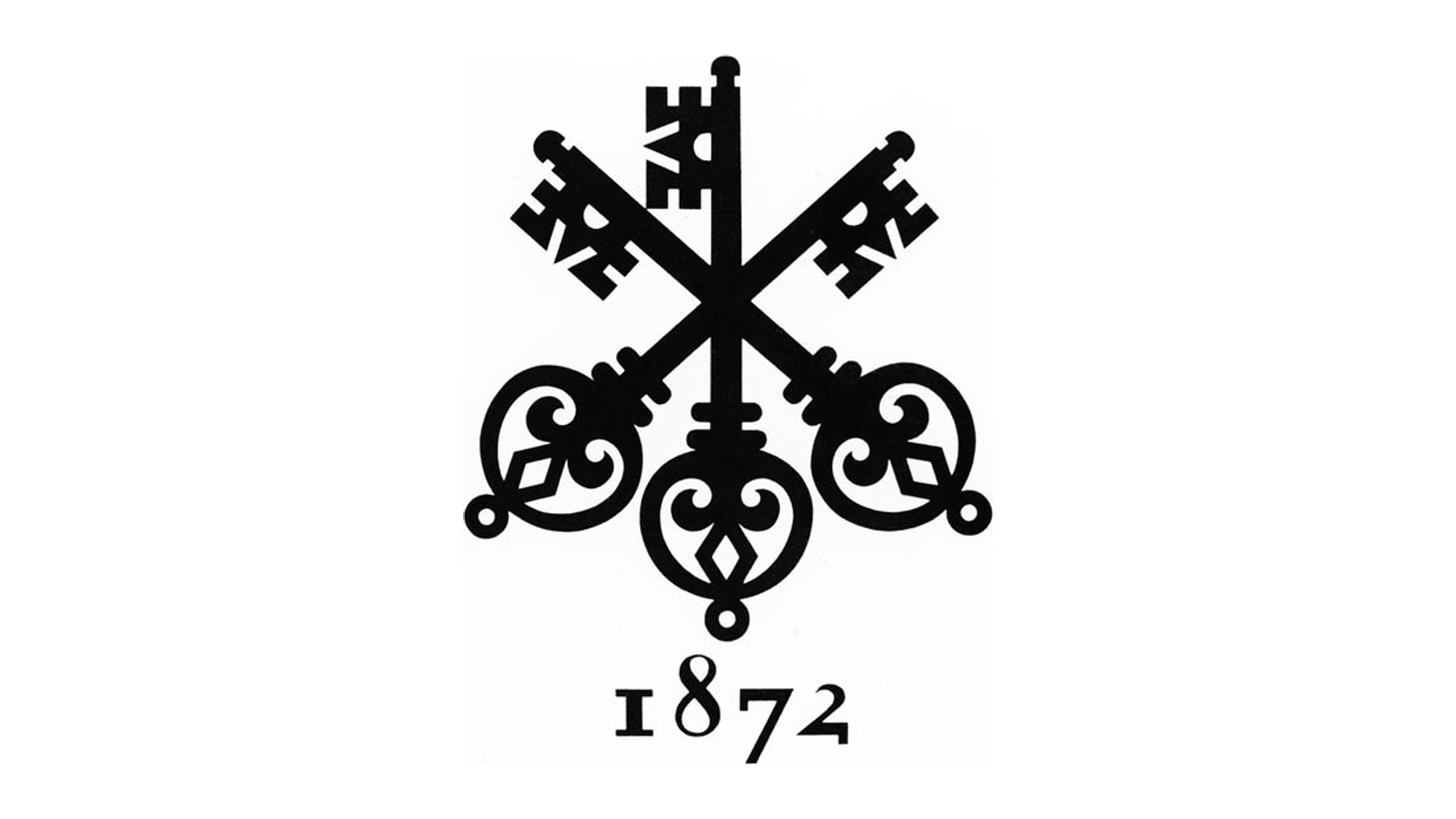
Swiss Bank Corporation introduced the three keys in 1938 as symbols of trust, security, and discretion. source

The keys remained the distinctive predecessor symbol as the year was removed and the corporate system became more international. source
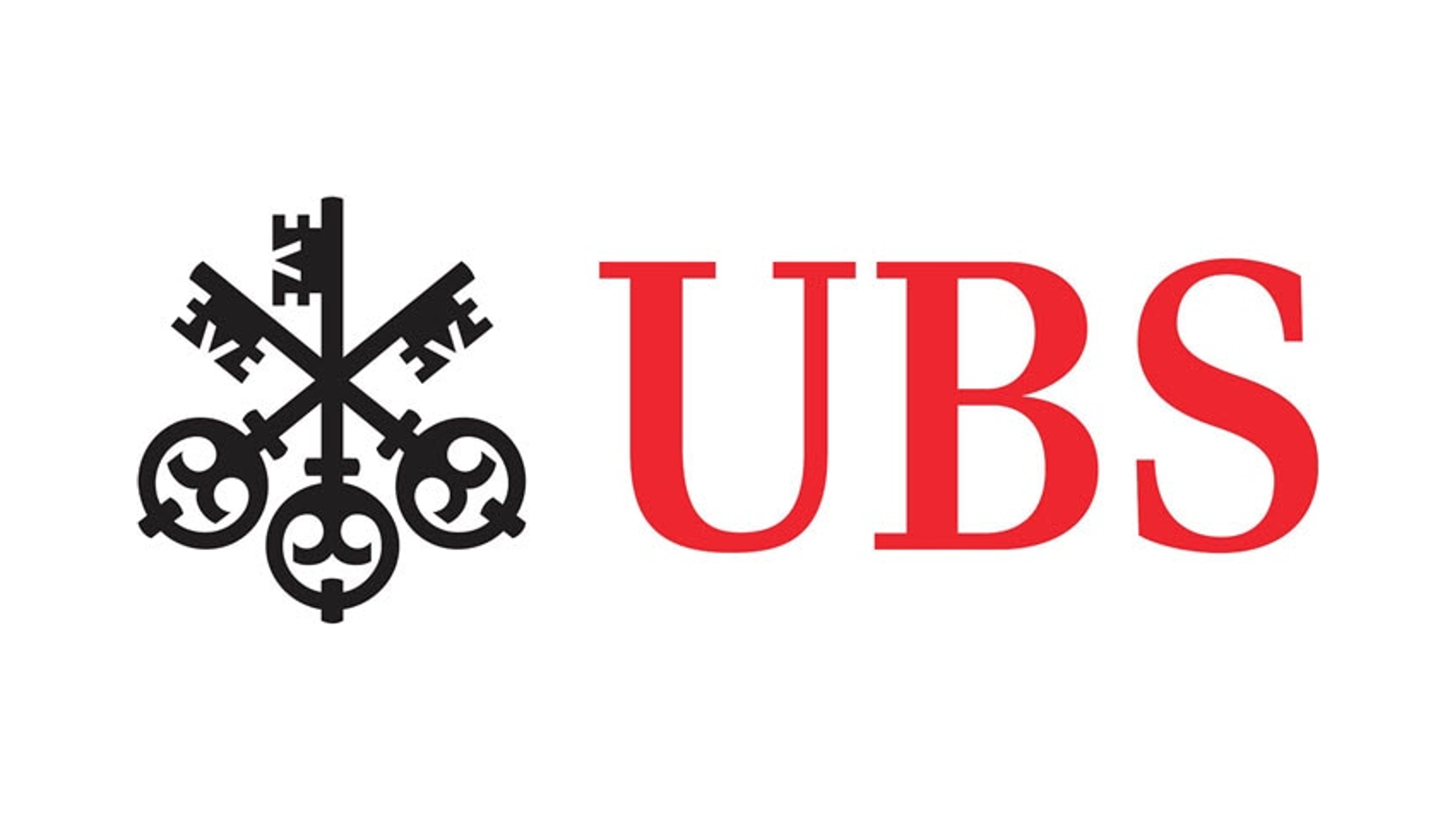
The 1998 merger paired the inherited three keys with the UBS lettering, creating the current masterbrand identity. source
Product and service lineage.
For UBS, product proof is the visible system of wealth advice, digital portfolio tools, institutional risk rooms, and discreet branch service.

Zurich makes the heritage physical
The UBS name sits inside a real Swiss financial center, not an abstract wealth promise.

Global wealth management leads the system
Advice has to connect personal goals with access across markets and regions.

Swiss banking keeps the group close to daily clients
The universal-bank role adds households and companies to the global wealth story.

Investment banking adds execution
Research, markets, and advisory capabilities give the group another proof lane beyond wealth management.
Product and service system
Bank in Winterthur begins operations.
Basler Bankverein is founded in Basel.
Bank in Winterthur and Toggenburger Bank merge into Union Bank of Switzerland.
Union Bank of Switzerland and Swiss Bank Corporation merge to form UBS.
UBS acquires PaineWebber, expanding US wealth management.
UBS Group AG becomes the ultimate parent holding company.
UBS acquires Credit Suisse Group AG.
UBS reports USD 49.573b total revenues and USD 7.005t invested assets.
Turning points.
Events that changed what buyers could see, buy, repeat, or trust.
The UBS brand should be treated as the current name, not expanded into one predecessor.
The brand becomes more than Swiss domestic banking.
Integration, legal structure, and trust recovery become part of the public signal.
Wealth, personal banking, asset management, investment bank, and legacy assets need labels.
Public reaction.
The useful reaction is about trust and pressure, not sentiment counts.
UBS is judged through advice, capital, client continuity, and integration discipline.
A large wealth manager still needs parent, division, and legacy-risk labels.
The acquisition should be visible as a pressure point, not treated as a finished slogan.
Full timeline.
Bank in Winterthur begins operations.
Basler Bankverein is founded.
Union Bank of Switzerland is formed from predecessor merger.
UBS is formed by merger of Union Bank of Switzerland and Swiss Bank Corporation.
PaineWebber expands US wealth management.
UBS Group AG becomes ultimate parent.
UBS acquires Credit Suisse Group AG.
FY2025 annual report shows USD 7.005t invested assets.
Steal / avoid.
- Use a compact symbol to carry institutional trust.
- Separate the current name from predecessor names.
- Name integration pressure instead of hiding it.
- Let financial scale support the brand story without turning into hype.
- Do not expand UBS as the current full name.
- Do not say Credit Suisse is fully absorbed without a dated source.
- Do not use generic revenue language when the report says total revenues.
- Do not imply private brand work is financial advice.
Short answer.
UBS is useful as a brand lesson because the three-key mark turns Swiss banking trust into a compact global signal. The page has to keep the current UBS name, UBS Group AG parent, business divisions, invested assets, and Credit Suisse integration clear. The mark is strong, but after a historic acquisition the brand has to prove continuity and risk control in the operating system.
Frequently asked questions
What is UBS's main brand signal?
The three-key mark, the UBS name, and the Swiss trust system behind global wealth management.
What should another brand steal from UBS?
Use a compact source-backed symbol, then make the operating architecture plain enough for serious buyers to trust.
What should another brand avoid copying from UBS?
Do not hide integration risk or legacy complexity behind a clean logo. The structure still has to be explained.
Need help with your own brand?
Use Private brand work when your name, identity, proof, or message needs a sharper branding decision.
