Tesla · Grow Your Brand · EV and energy system · United States / Active
Tesla
Tesla makes cars, charging, batteries, and energy feel like one system. A brand page for Tesla: vehicles, Supercharger and NACS, FSD (Supervised), Robotaxi and Cybercab, Semi, Powerwall and Megapack, manufacturing scale, FY2025 finances, and the risk of letting future claims outrun delivered proof.
Positioning, name, and architecture.
Three evidence checks before the page talks about scale, color, or public reaction.
Tesla joins high-recognition electric products with direct software updates, a large fast-charging network, energy storage, manufacturing scale, and a visible future-product narrative.
Tesla positions electrification as one connected system across vehicle, charging, software, mobility, storage, solar, and manufacturing. Each future claim still has to be separated from what customers can buy and use now.
The company name honors inventor Nikola Tesla; the 2017 legal rename from Tesla Motors, Inc. to Tesla, Inc. reflected expansion beyond cars.
No verified current company-wide tagline; Tesla is read through vehicles, charging, energy storage, solar, software, factories, and service.
integrated electric hardware, software, charging, mobility, and energy system
Delivered products and infrastructure are separated from supervised, pilot, planned, or in-development programs so portfolio breadth does not become status inflation.
Model 3/Y/S/X and Cybertruck organize body styles and price/usage jobs.
Vehicle platform: Model Y source
Supercharger/NACS, OTA, and FSD (Supervised) connect use over time.
Network and control layer: Supercharger source
Commercial Cybercab deployment in Austin and a federal certification inquiry must be read together.
Emerging and commercial platforms: Tesla Semi source
Powerwall, Megapack, software, solar panels, and Solar Roof span home and grid.
Storage and generation: Megapack source
Naming and tagline progression
Tesla Motors is incorporated by Martin Eberhard and Marc Tarpenning.
Elon Musk leads the Series A financing and becomes chairman.
The first-generation Roadster reaches customers.
Market and scale snapshot.
Tesla's FY2025 revenue, net income, and market value put vehicles, Supercharger, energy storage, solar, software, factories, and developing robotics in one scale frame.
FY2025 total revenue.
FY2025 net income attributable to common stockholders.
Dated USD market-cap observation captured 5 Jul 2026; source and method recorded above.
Nasdaq-listed parent company.
Color system.
Tesla's black-red system connects vehicle silhouettes, charging, battery products, factories, and software claims without pretending every product is one car.
How the palette behaves
Black anchors the minimal vehicle and factory system across physical and digital touchpoints.
Tesla red marks the masterbrand and performance cue beside charging and energy proof.
Cool gray gives vehicles, Supercharger, Powerwall, Megapack, solar, and software claims separate visual lanes.
Recognition assets.
Memory pieces the brand can use before someone finishes a sentence.
The cars are read by shape and minimal interior, not only a badge.
The plug is the public proof that EV ownership can work.
Energy products make the brand visible inside the home.
Manufacturing capacity and delivery rhythm are part of the trust story.
Scores.
Use these scores to compare recognition, trust, proof, pressure, and risk.
Tesla is one of the clearest EV signals.
Energy, charging, and software must not disappear behind cars.
Autonomy claims and service experience create scrutiny.
Vehicles, chargers, batteries, and solar create a true ecosystem.
Vehicle silhouettes, Superchargers, software, batteries, and energy products make Tesla's system visible beyond the T badge.
Tesla needs parent, product, service, and history lanes labeled cleanly so search systems do not flatten the brand into one vague entity.
Charging access, software updates, service, storage, solar, and manufacturing decide whether the system works after purchase.
Tesla competes across electric vehicles, charging, energy storage, solar, and software; those lanes need separate proof.
How the logo changed.
A documented two-stage exception separates the Tesla Motors shield era from the current standalone T symbol after the 2017 corporate rename.
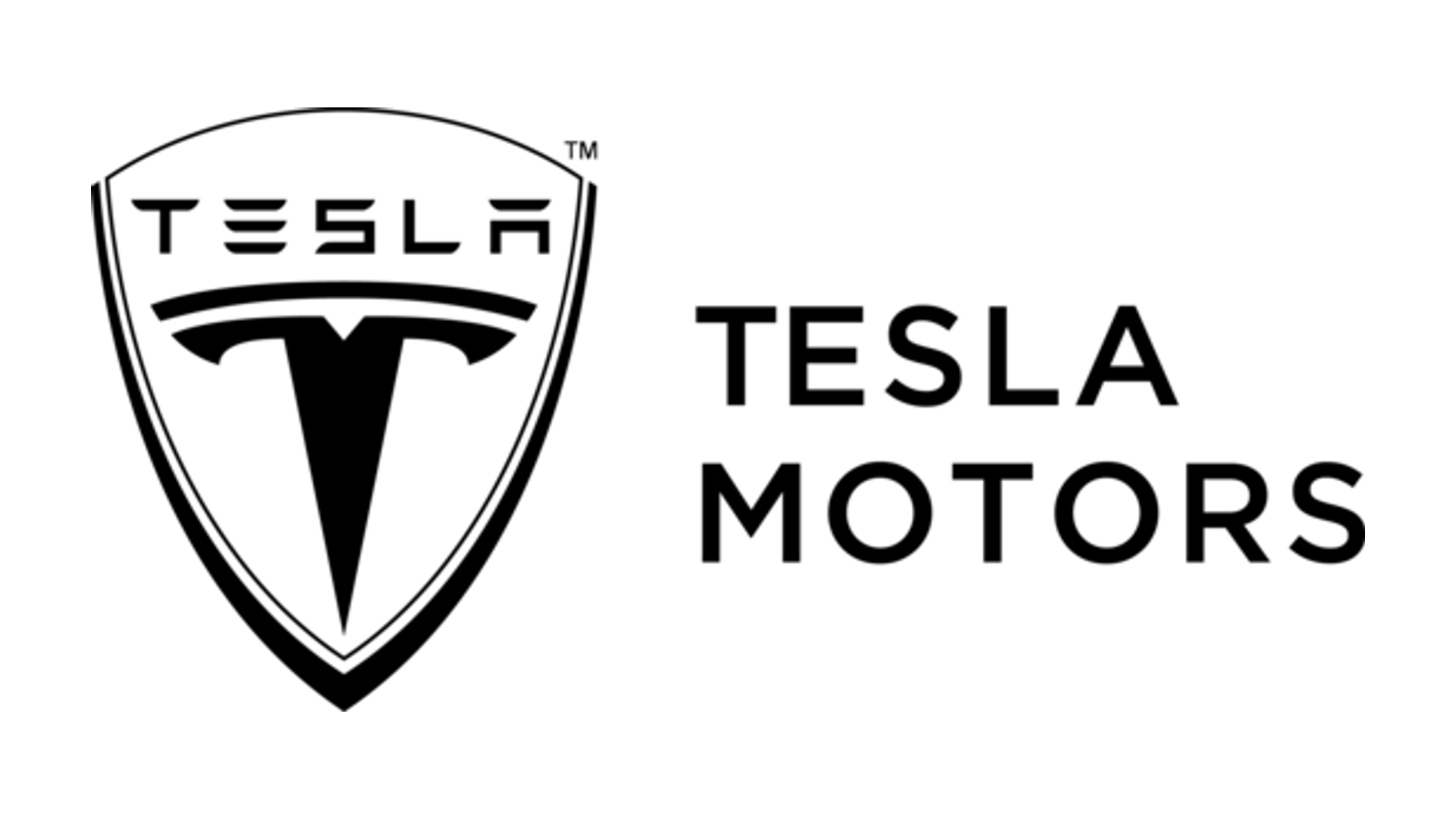
The shield framed Tesla as an automotive entrant and kept the Motors descriptor explicit. source
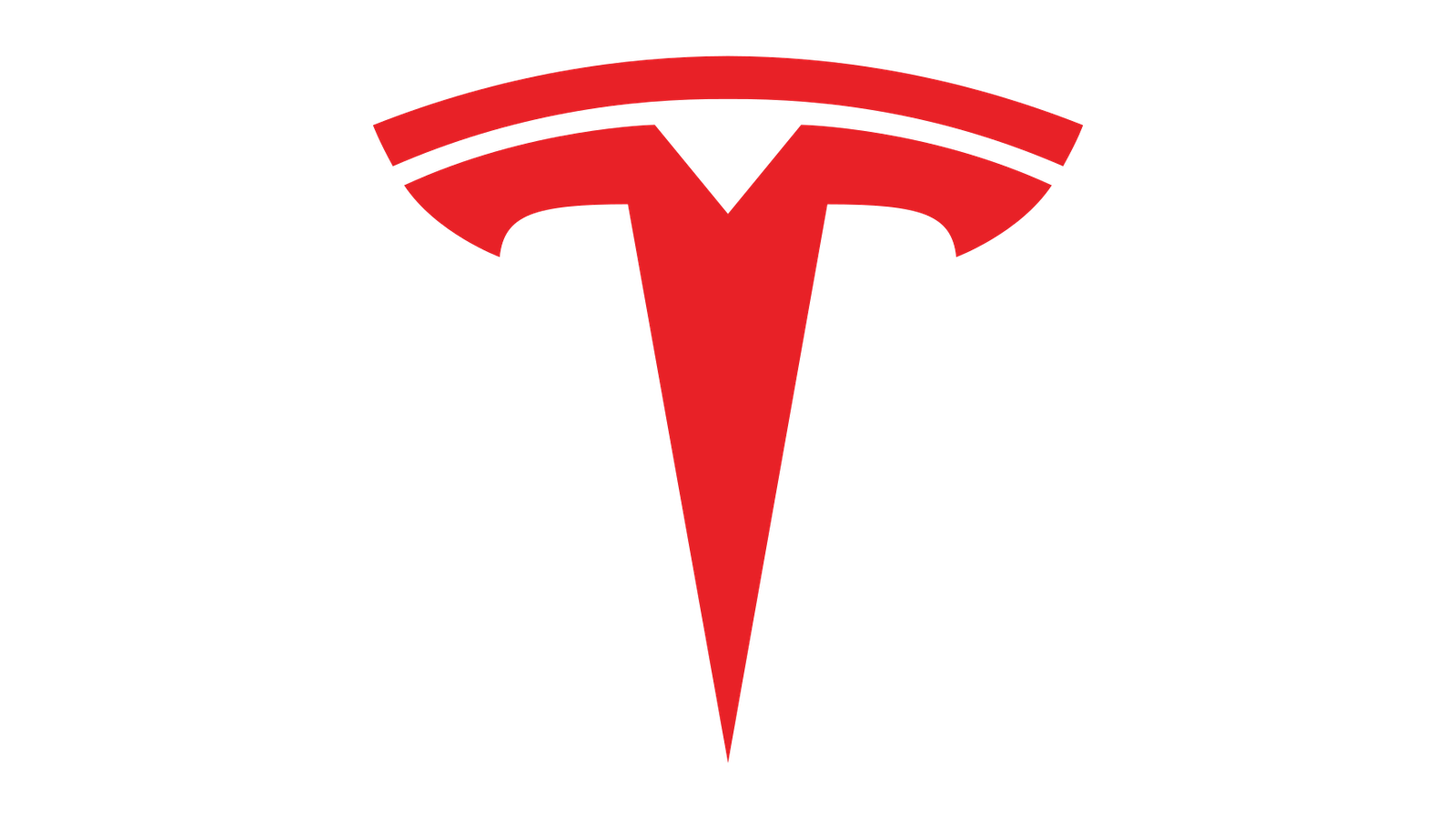
After the company dropped Motors from its legal name, the T symbol could represent vehicles, energy, charging, software, and mobility under one shorter identity.
Product and service lineage.
Tesla only works when the page keeps product families, services, proof, and history separate enough to inspect.
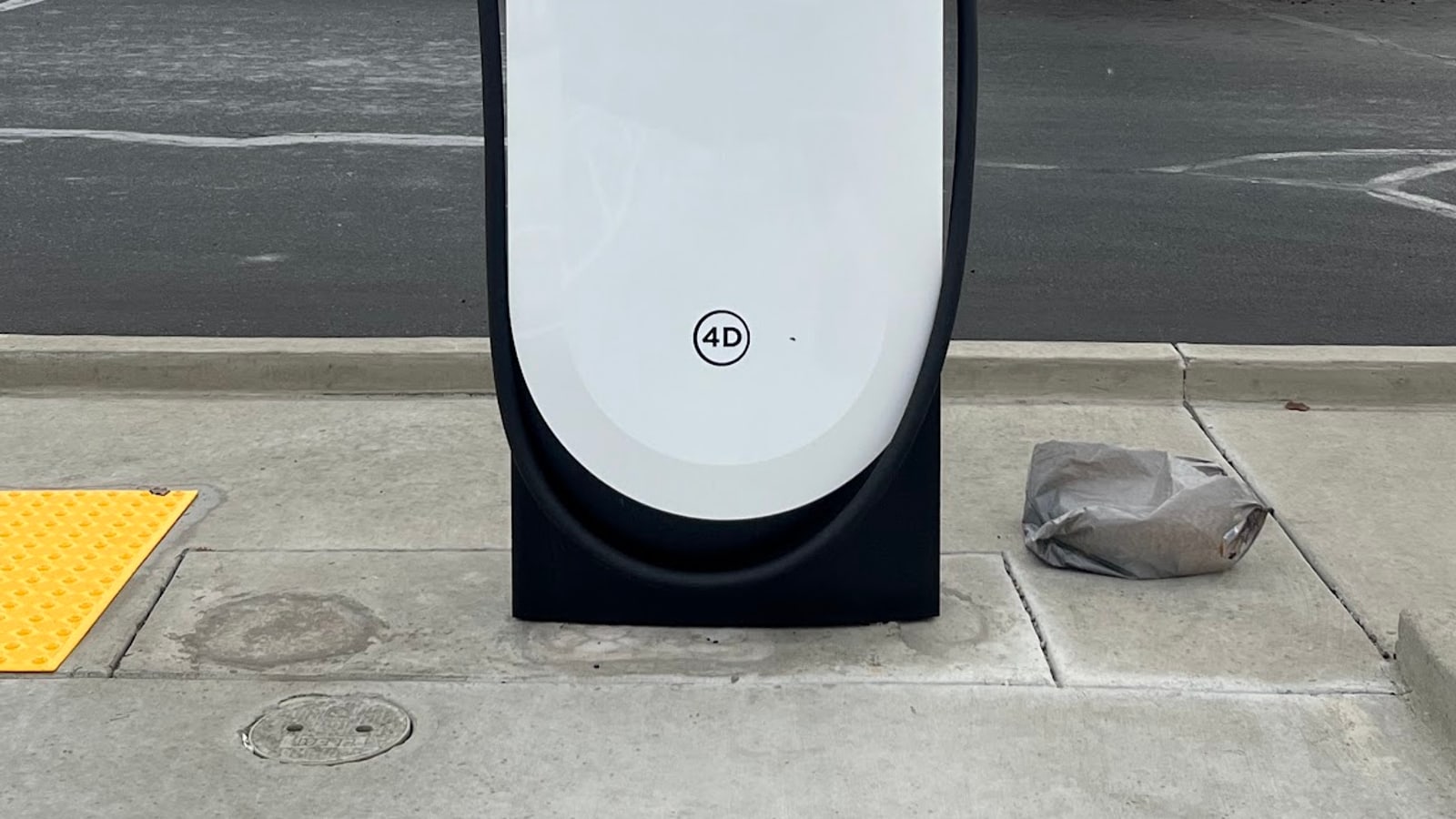
Charging is part of the product system
V4 hardware and NACS access make refueling speed, network reach, and interoperability visible outside the vehicle.
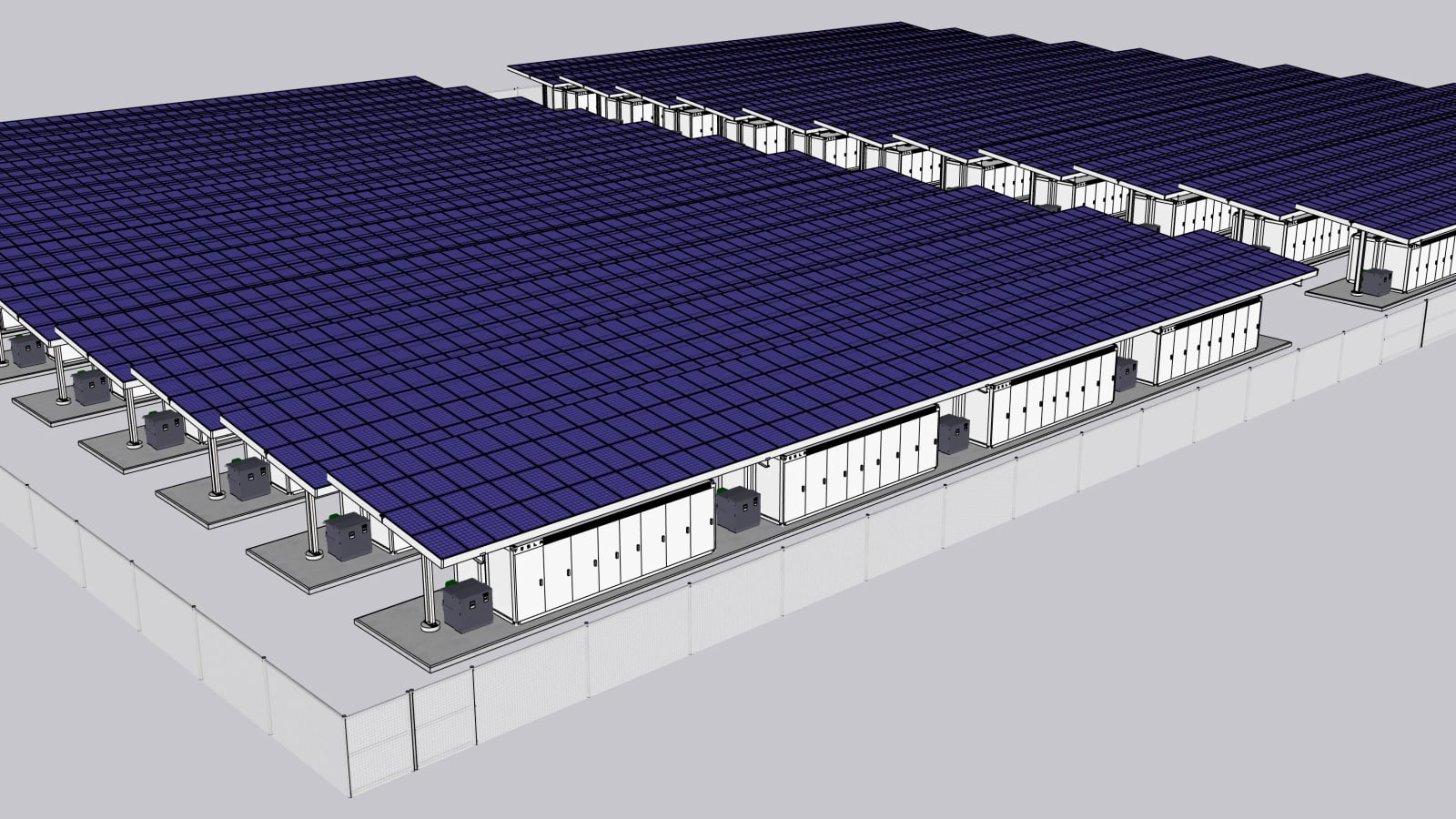
Energy scale extends beyond the driveway
Megapack, software, and grid operation turn the Tesla name into an industrial energy platform as well as a vehicle brand.
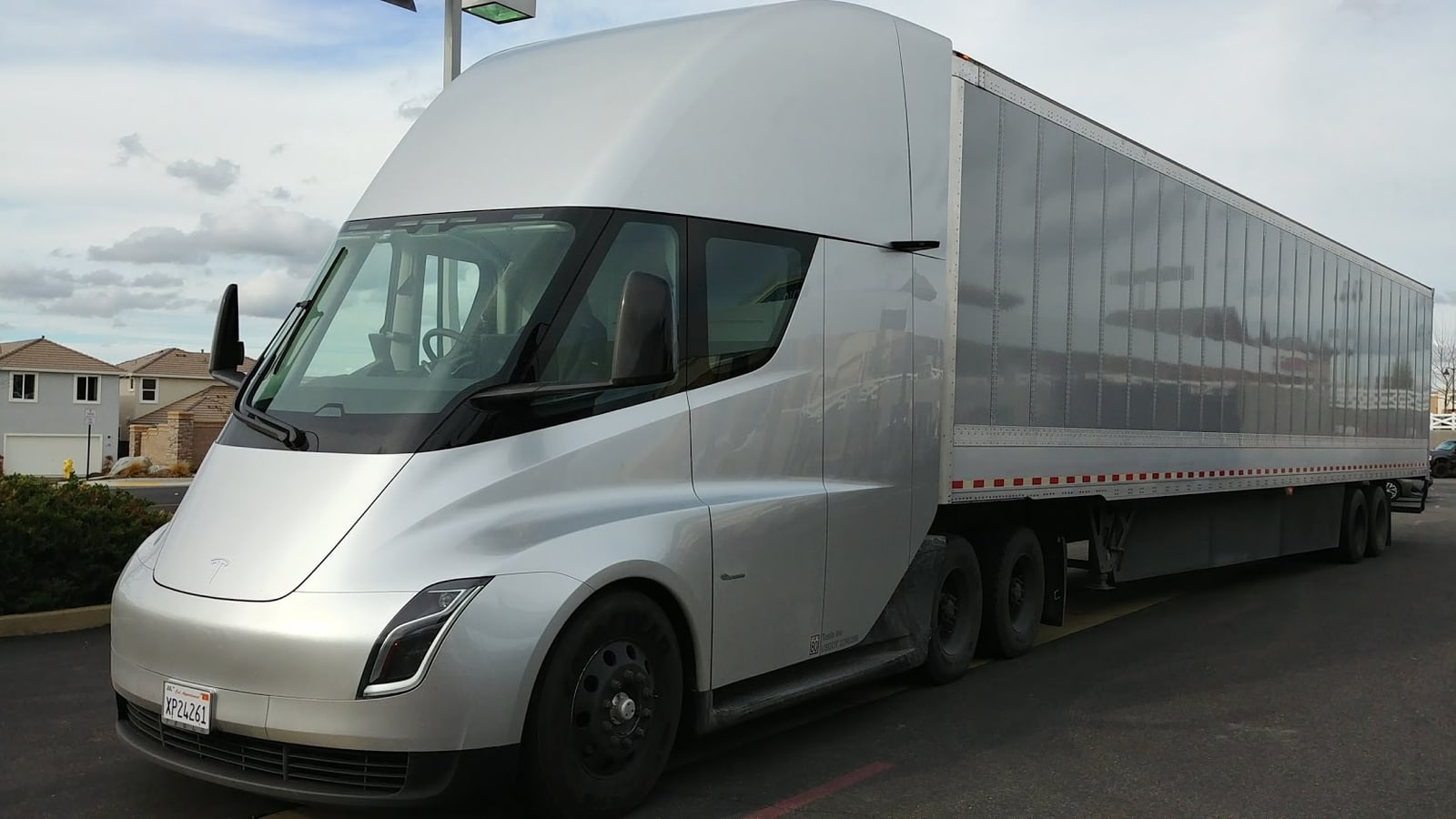
Semi tests the system in fleets
Commercial transport adds uptime, charging, payload, service, and total-cost expectations that are different from consumer cars.
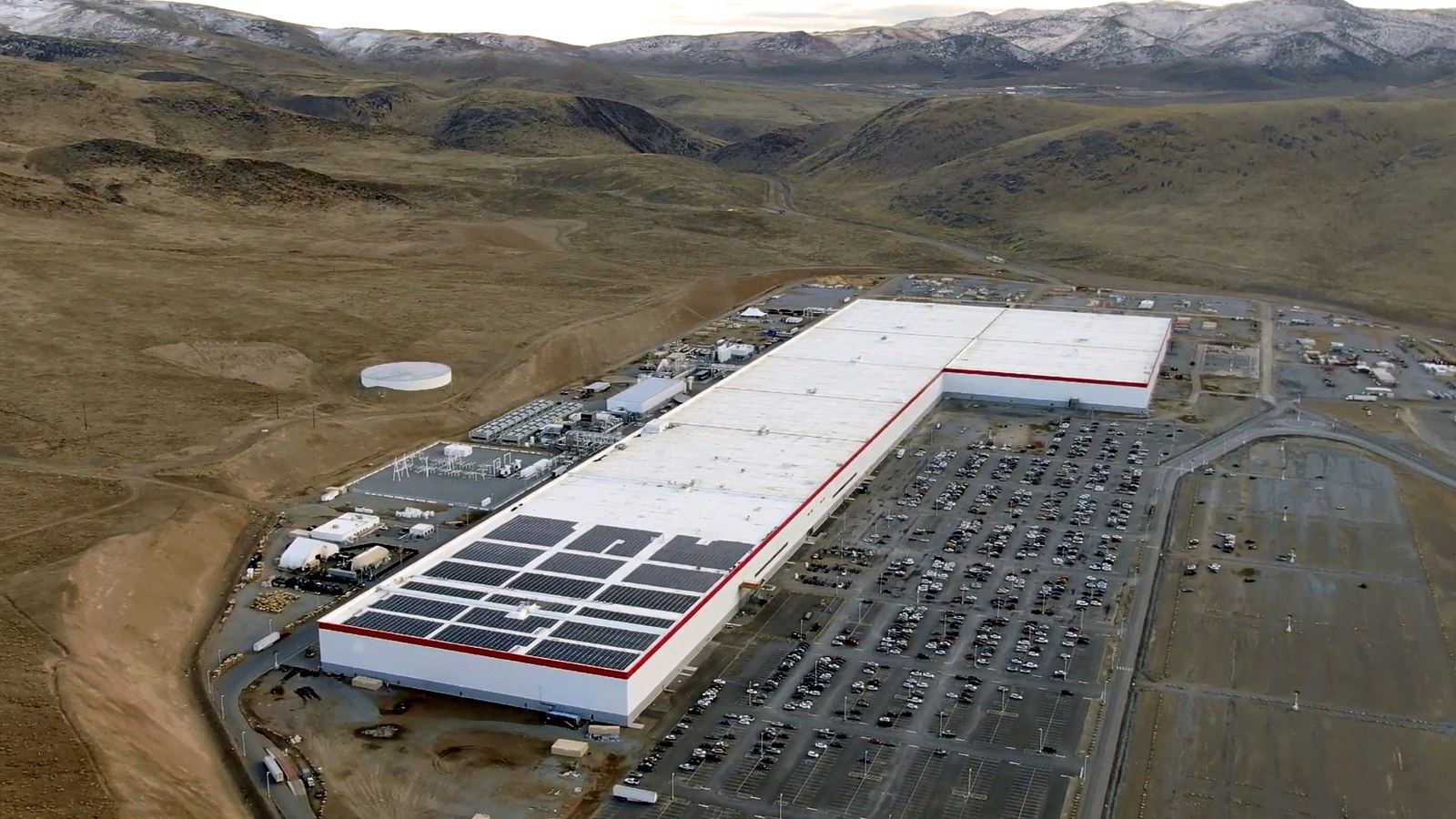
Manufacturing capacity is brand proof
Factories, battery lines, software deployment, and service capacity decide whether the portfolio promise can scale.
Product and service system
Model 3/Y/S/X, Cybertruck, Roadster memory, and Semi carry different buyer and cultural signals.
Supercharger turns the car promise into a route and infrastructure promise.
Powerwall and Megapack make Tesla a battery and grid-storage brand alongside vehicles.
Solar Roof, solar panels, and home storage connect the vehicle to the house.
FSD (Supervised), over-the-air updates, app control, and robotaxi claims create software pressure.
Service, used vehicles, insurance, and charging monetization shape ownership after purchase.
Turning points.
Events that changed what buyers could see, buy, repeat, or trust.
Tesla goes public.
Model S production starts.
The Supercharger network begins turning charging into part of the brand promise.
Tesla is pushing the brand from EV maker toward autonomy platform, with robotaxi service signals sitting beside delivery scale and execution risk.
NHTSA opened an Audit Query into Cybercab self-certification after commercial deployment in Austin. The agency is examining compliance for vehicles without traditional human controls.
Public reaction.
The useful reaction is about trust and pressure, not sentiment counts.
The best Tesla proof connects car, charging, software, and home energy into one ownership system.
The brand loses credibility when autonomy is overstated or when energy products are treated as decoration.
Full timeline.
Tesla Motors is incorporated by Martin Eberhard and Marc Tarpenning.
Elon Musk leads the Series A financing and becomes chairman.
The first-generation Roadster reaches customers.
Tesla goes public.
Model S production starts.
The Supercharger network begins turning charging into part of the brand promise.
Powerwall makes home energy storage a public Tesla cue.
SolarCity acquisition brings solar and home energy deeper into the company.
Model 3 begins the mass-market chapter.
Model Y is unveiled and becomes the higher-volume SUV signal.
Megapack and battery scale become more visible in the energy story.
Cybertruck deliveries begin.
Tesla reports robotaxi launch language in its filing while automotive remains the revenue center.
Cybercab reaches Austin, then faces a certification inquiry
Steal / avoid.
- Build the ownership system around the product, not only the product itself.
- Make infrastructure visible: charger, battery, service, app, and energy.
- Let product shape become recognition before the badge is seen.
- Do not say Elon Musk founded Tesla alone.
- Do not call FSD fully autonomous; use FSD (Supervised) where sourced.
- Do not let Cybertruck dominate the page or hide energy storage.
Short answer.
Tesla should be read as a company system, not a single product. The useful lesson is to separate product families, evidence points, history, and public trust before reducing the brand to a shorthand.
Frequently asked questions
What is Tesla's core brand signal?
Tesla makes cars, charging, batteries, and energy feel like one system.
Why not describe Tesla as one product?
Because Tesla spans vehicles, charging, energy storage, solar, software, service, insurance, factories, and developing robotics; calling it one electric car hides the operating system.
What should another brand steal from Tesla?
Build the ownership system around the product, not only the product itself.
Need help with your own brand?
Use Private brand work when your name, identity, proof, or message needs a sharper branding decision.
Sources.
Use the education shelf for the concepts behind this brand page.
Private brand workIf your company puts vehicles, infrastructure, software, energy, and future products under one name, Private Brand Work can separate what exists now from what still needs proof.
All brandsReturn to every brand page.