Spotify · Grow Your Brand · Daily audio habit machine · Sweden / Active / public company
Spotify
Spotify turns listening behavior into a daily audio system. A brand page on Spotify: green-black recognition, playlist behavior, creator economics, wrapped culture, device portability, subscription pressure, and the risk of reducing music discovery to an interface habit.
Positioning, name, and architecture.
Three evidence checks before the page talks about scale, color, or public reaction.
Spotify makes listening feel personalized, portable, and shareable through playlists, recommendations, and cultural recap moments.
Spotify positions audio as a personal operating system: the right sound, on the right device, for the current mood or moment.
Spotify's founders have described the name as an accidental, misheard word; the later spot-plus-identify explanation became brand lore rather than the original naming method.
No current masterbrand slogan is used as proof on this card.
single platform brand with product and creator lanes
The masterbrand holds listener, creator, advertiser, and recap products inside one platform system.
Turns free listening into paid habit.
subscription lane: Premium subscription source
Makes usage data public and shareable.
cultural ritual: Annual recap source
Gives the platform a creator-facing evidence point.
creator lane: Artist tools source
Extends reach before subscription conversion.
advertising-supported listener lane: Free audio service source
Provides podcast and video creators with publishing, audience, and monetization tools.
creator publishing lane: Creator platform source
Connects the Free audience with campaign planning and audio advertising inventory.
advertiser lane: Spotify Ads Manager source
Name and platform progression
A misheard invented word becomes the company and platform name.
Spotify moves from company name to a public freemium listening service.
Discover Weekly and the modern Wrapped format expand the name from access utility to discovery and identity.
Market and scale snapshot.
Spotify's Q2 2026 results show the subscription system crossing 300 million paying users. Reported euro figures are translated to U.S. dollars at the 10 Aug 2026 reference rate for the financial snapshot.
Q2 2026 revenue increased 14% year over year.
Q2 2026 operating income increased 61% year over year.
Approximate CompaniesMarketCap observation captured on 10 Aug 2026.
Spotify Technology S.A. ordinary shares trade on the New York Stock Exchange.
Color system.
Spotify color works when the green cue stays attached to listening behavior, not just app decoration.
How the palette behaves
Green gives the brand an instant digital audio cue.
Black creates a stage for album art, playlists, and mood.
White keeps the interface and wordmark legible.
Glow and waveform cues make audio feel visible without fake charts.
Recognition assets.
Memory pieces the brand can use before someone finishes a sentence.
Spotify recognition comes from repeated behavior: search, save, skip, share, and replay.
The annual recap makes private listening public without needing a traditional ad campaign.
Discovery quality and creator economics shape whether the habit feels fair.
Scores.
Use these scores to compare recognition, trust, proof, pressure, and risk.
Green-black interface and playlist behavior are highly memorable.
Daily listening routines make the brand repeat without a campaign.
Creator economics and platform power remain pressure points.
Recommendations and playlists have to feel useful, not random.
Spotify is clearer when listener, creator, advertising, and recap lanes are separated.
The page must separate platform, app, subscription, creator tools, and cultural rituals.
The brand is a reference point for streaming audio and playlist behavior.
Streaming competitors, bundling, podcasts, and social discovery keep pressure high.
How the logo changed.
Three sourced masterbrand stages show Spotify moving from a playful launch wordmark to the circular broadcast symbol and the simplified current lockup.

The launch-era lime wordmark used buoyant lettering and radiating sound-wave cues before the masterbrand consolidated around a circular symbol. source
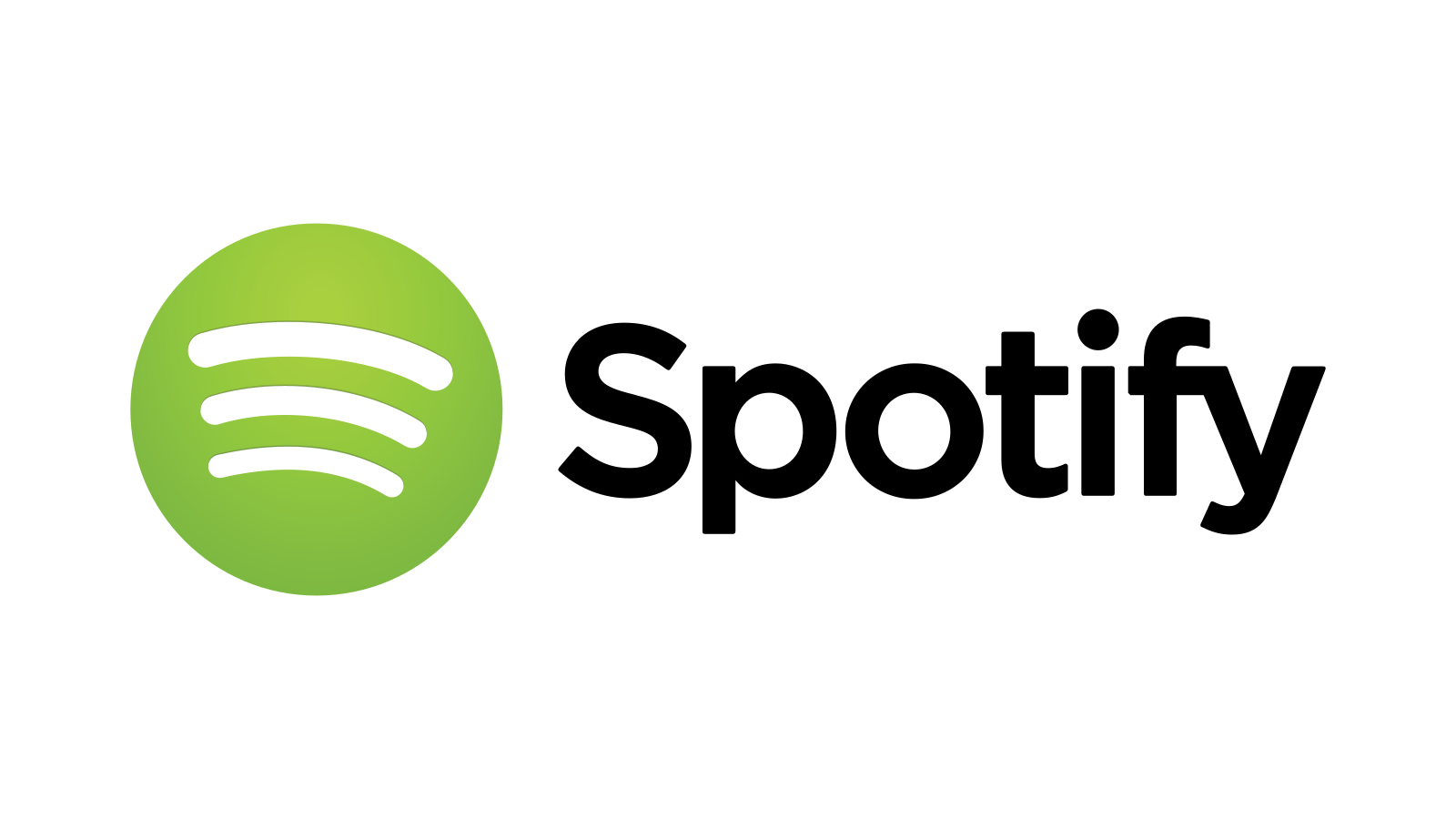
The redesign separated the three-wave symbol from the name and created the compact recognition system that could travel across app icons and devices. source
The current lockup uses a brighter green and cleaner geometry while preserving the circular sound-wave cue as the masterbrand's fastest identifier. source

Product and service lineage.
The brand signal moves from streaming access into playlists, subscriptions, creator tools, and cultural recap moments.
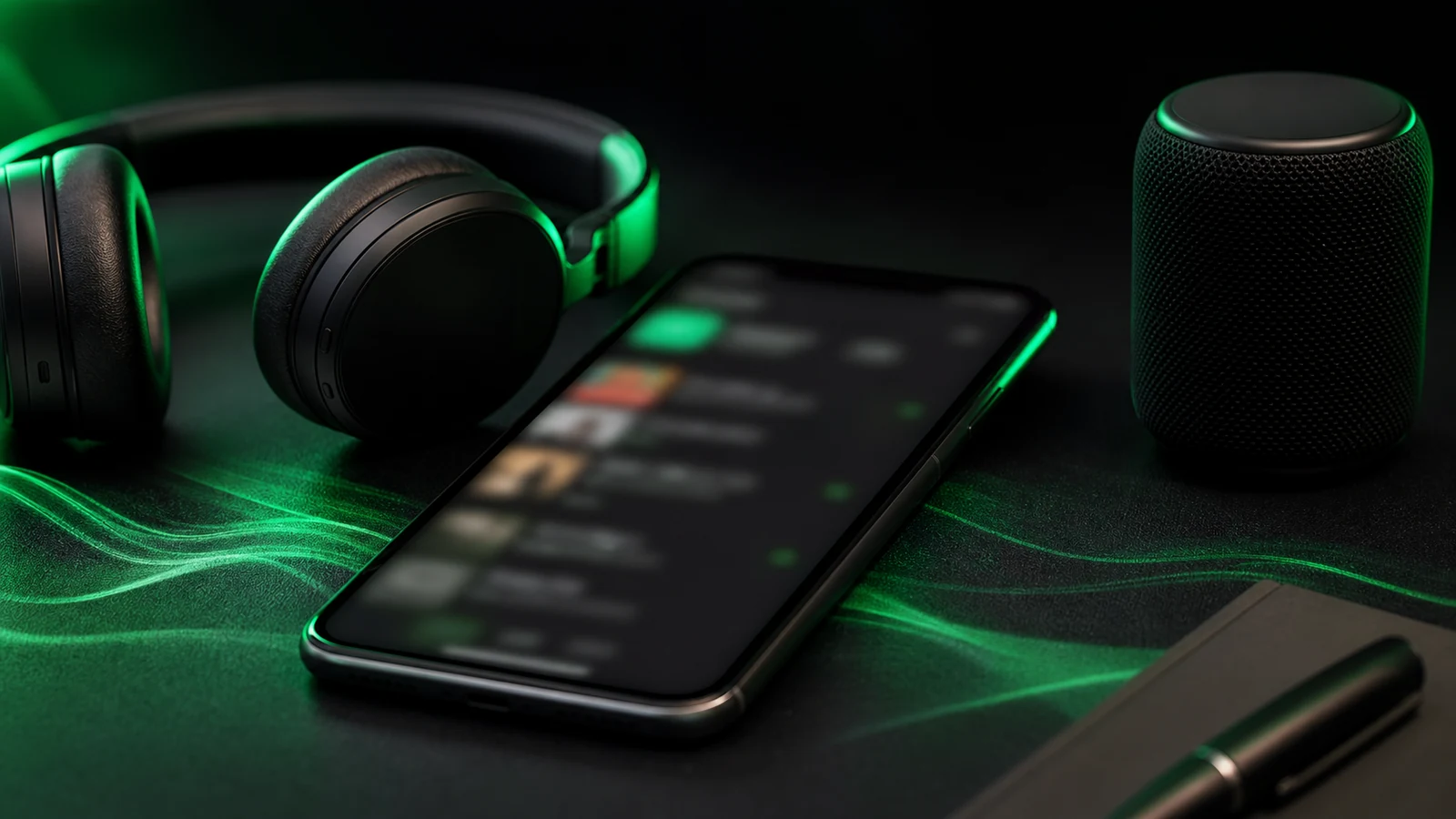
The app travels across devices
Phone, speaker, car, and desktop behavior make the brand more than one screen.

Recognition follows the moment
The strongest cue is not one ad; it is the feeling that audio follows the listener.

Creator supply makes the platform credible
Spotify's consumer habit depends on a creator economy that keeps music, podcasts, and audiobooks flowing into the service.

Discovery has to leave the interface
The strongest recommendation proves itself when a listener follows an unfamiliar artist into culture, community, and live experience.
Product and service system
Daniel Ek and Martin Lorentzon establish Spotify in Stockholm.
The public service launches in six European markets with free and Premium access.
The United States launch turns the European challenger into a global category contender.
Discover Weekly and the modern Wrapped format make personalization visible and repeatable.
Spotify completes its direct listing on the New York Stock Exchange under SPOT.
The platform reaches 751 million monthly active users and 290 million Premium subscribers while reporting EUR 2.212 billion in net income.
Spotify crosses 300 million Premium subscribers as quarterly revenue reaches EUR 4.78 billion.
Turning points.
Events that changed what buyers could see, buy, repeat, or trust.
The brand makes free access and paid upgrades part of one behavior system.
Annual recap turns listening history into public identity.
Spotify reports record industry payouts, while artist groups and independent coverage continue to question how smaller creators experience the streamshare model.
Premium subscribers reach 300 million and quarterly revenue reaches EUR 4.78B, while the next-quarter guide calls for about 5 million additions after 7 million in Q2.
Public reaction.
The useful reaction is about trust and pressure, not sentiment counts.
People use Spotify to make listening feel personal, portable, and shareable.
The same platform scale creates scrutiny around streamshare economics, discovery, and control.
A digital brand wins when the repeated behavior is more memorable than the feature list.
Full timeline.
Spotify is founded in Stockholm.
The service launches publicly in six European markets.
Spotify launches in the United States.
Discover Weekly and the modern Wrapped system make personalization a visible brand ritual.
Spotify completes its direct listing on the New York Stock Exchange.
Spotify reports 751 million monthly active users, 290 million Premium subscribers, and EUR 2.212 billion in net income.
Steal / avoid.
- Build a brand around repeated behavior, not only a feature.
- Make one color cue carry across app, device, and culture.
- Turn user data into a ritual only when it feels useful and shareable.
- Do not let personalization feel like a black box.
- Do not ignore creator trust when platform scale grows.
- Do not make the interface cue stronger than the value it delivers.
Short answer.
Spotify is a strong brand because it turns listening into a repeatable daily behavior across devices. Its green-black interface, playlists, Wrapped ritual, and creator platform make the brand more than a catalog, but creator trust and discovery quality remain pressure points.
Frequently asked questions
How does Spotify hold several businesses under one brand?
Spotify keeps Free, Premium, Artists, Creators, Advertising, and Wrapped tied to one masterbrand and one listening behavior rather than presenting them as unrelated companies.
Why did Spotify Wrapped become a distinctive brand asset?
Wrapped converts private listening history into a useful, personalized annual story that people voluntarily share, giving the platform an earned cultural moment.
What is Spotify's main brand pressure now?
The listener experience depends on discovery quality, while the supply side depends on creator trust and evidence that Spotify's growing royalty pool creates meaningful opportunity across different artist scales.
Need help with your own brand?
Use Private brand work when your name, identity, proof, or message needs a sharper branding decision.
Sources.
Use the education shelf for the concepts behind this brand page.
Private brand workUse this when the decision belongs to your own brand.
All brandsReturn to every brand page.
- Spotify visual timeline
- Spotify design history and logo progression
- Spotify FY2025 annual filing
- Spotify market capitalization
- Spotify Q2 2026 financial results
- EUR to USD reference rate
- Spotify developer design guidance
- Spotify for Artists
- Spotify Loud & Clear 2025 music economics
- Independent reporting on Spotify artist-payout debate
- Spotify for Creators
- Spotify Advertising