NVIDIA · Grow Your Brand · AI platform and accelerator system · United States / Active
NVIDIA
NVIDIA turns chips, CUDA, systems, networking, and software into the AI platform signal. A brand page on Nvidia as a platform system: CUDA, GeForce, RTX, H100, Blackwell, DGX, Grace, Spectrum-X, InfiniBand, Mellanox, Omniverse, DRIVE, Jetson, NIM, and AI Enterprise.
Positioning, name, and architecture.
Three evidence checks before the page talks about scale, color, or public reaction.
Nvidia turns chips, CUDA, systems, networking, and software into the AI platform signal.
A brand page on Nvidia as a platform system: CUDA, GeForce, RTX, H100, Blackwell, DGX, Grace, Spectrum-X, InfiniBand, Mellanox, Omniverse, DRIVE, Jetson, NIM, and AI Enterprise.
Nvidia operates as the parent/company mark for a wider system.
Accelerated computing is the through-line across chips, CUDA, systems, networking, and software.
company system / portfolio architecture
The marketed family names span software, consumer GPUs, accelerators, integrated systems, networking, simulation, automotive, edge AI, and enterprise deployment. Cloud providers are distribution and infrastructure partners, not Nvidia sub-brands. Hugging Face is a proposed acquisition announced 3 September 2026, not a completed portfolio addition.
The software platform makes Nvidia more than silicon; developers learn the system and keep returning.
Software platform: CUDA source
Gaming, creators, ray tracing, and consumer GPUs keep the public recognition lane alive.
Consumer GPU family: GeForce and RTX source
H100, H200, Blackwell, and future accelerators carry the AI infrastructure story.
Data-center accelerator family: Data Center GPUs source
Systems package compute, software, support, and deployment into a buyer-ready evidence point.
Integrated system family: DGX and full-stack systems source
InfiniBand, Ethernet, Spectrum-X, and networking make clusters work at scale.
Networking portfolio: Networking and Mellanox source
Simulation, automotive, edge AI, and robotics keep the platform beyond data-center training.
Simulation, automotive, and edge platforms: Omniverse, DRIVE, Jetson, robotics source
Software and deployment tools make the brand visible after the chip ships; cloud providers remain partner channels.
Enterprise software and deployment: NIM and AI Enterprise source
Adds model distribution if completed; NVIDIA promises hardware choice.
Proposed developer-platform acquisition: Hugging Face source
Naming and tagline progression
Nvidia is founded by Jensen Huang, Chris Malachowsky, and Curtis Priem.
Nvidia launches the GeForce 256 and goes public.
CUDA is introduced and turns GPUs into a broader computing platform.
Market and scale snapshot.
NVIDIA now sells the computing platform and invests in companies building around it. Q2 FY27 results show the operating scale; the MediaTek investment shows the partner strategy.
Up 106% year over year.
Up 126% year over year.
Up 117% year over year.
Revenue guidance; the outlook assumes no Data Center compute revenue from China.
Color system.
Nvidia green works because it punctuates a mostly black hardware and infrastructure system; the accent identifies the platform without overpowering product proof.
How the palette behaves
Nvidia green creates a fast recognition cue across developer, gaming, data-center, and partner environments.
Black and graphite keep chips, systems, racks, and technical demonstrations visually connected.
White and cool neutral space make dense platform evidence readable without turning the company into a gaming-only neon brand.
Recognition assets.
Memory pieces the brand can use before someone finishes a sentence.
The color system separates Nvidia from blue enterprise cloud and red gaming competitors.
Hardware proof is physical, inspectable, and high-value.
Developer lock-in is a brand asset, not only a technical feature.
The product reveal cadence has become part of market expectation.
Scores.
Use these scores to compare recognition, trust, proof, pressure, and risk.
Nvidia is now a public shorthand for AI compute.
CUDA, chips, systems, networking, and software create a deep moat.
The card must separate consumer GPU memory from AI infrastructure.
Scale creates scrutiny around supply, customers, geopolitics, and competition.
Visible accelerators, systems, and data-center operations make the platform claim inspectable.
Nvidia needs parent, product, service, and history lanes labeled cleanly so search systems do not flatten the brand into one vague entity.
Named product families help buyers understand which part of the platform solves which job.
CUDA adoption and control across accelerators, systems, and networking make Nvidia a reference point for AI infrastructure.
How the logo changed.
The eye remained while the typography moved from a 1990s mixed-case technology signature to a cleaner uppercase platform identity.
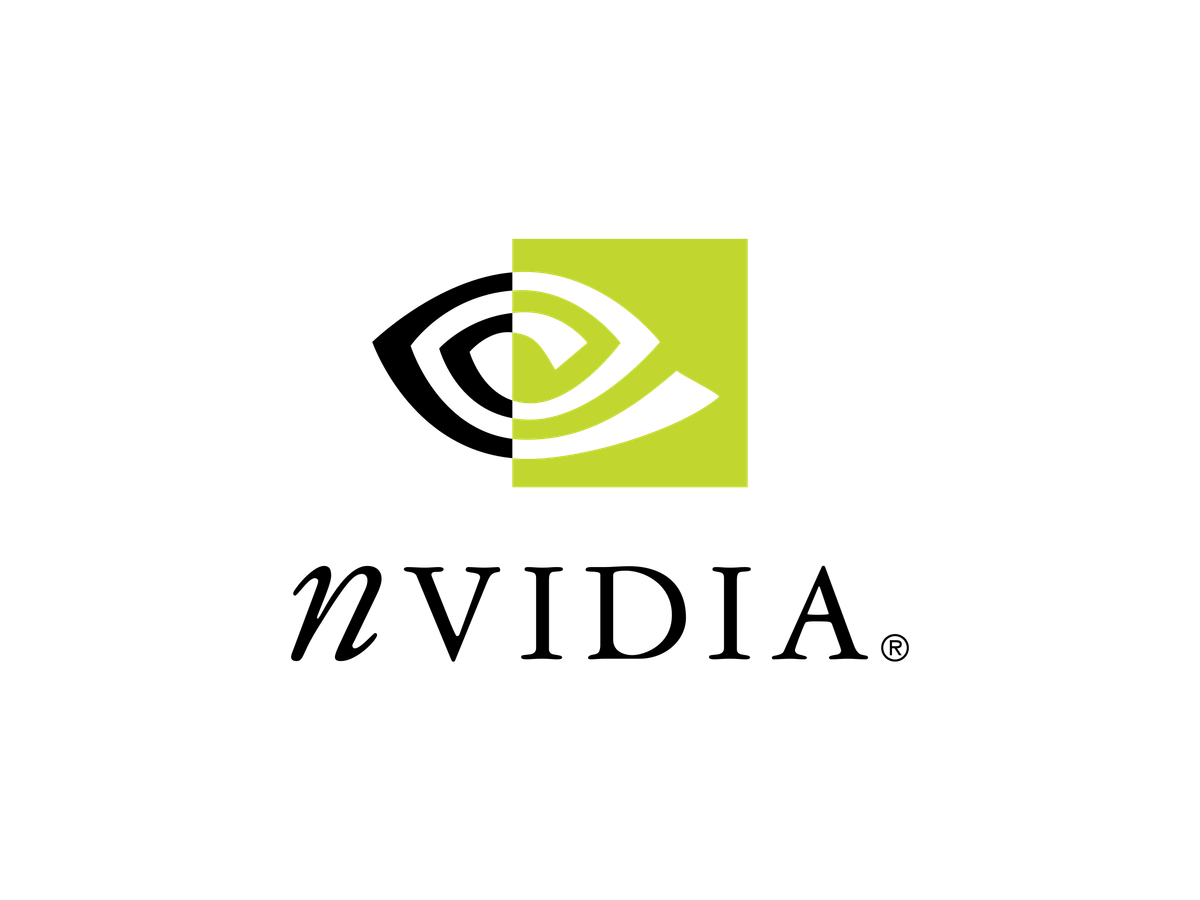
The original lockup paired the eye with a distinctive mixed-case wordmark and a 1990s graphics-company posture.
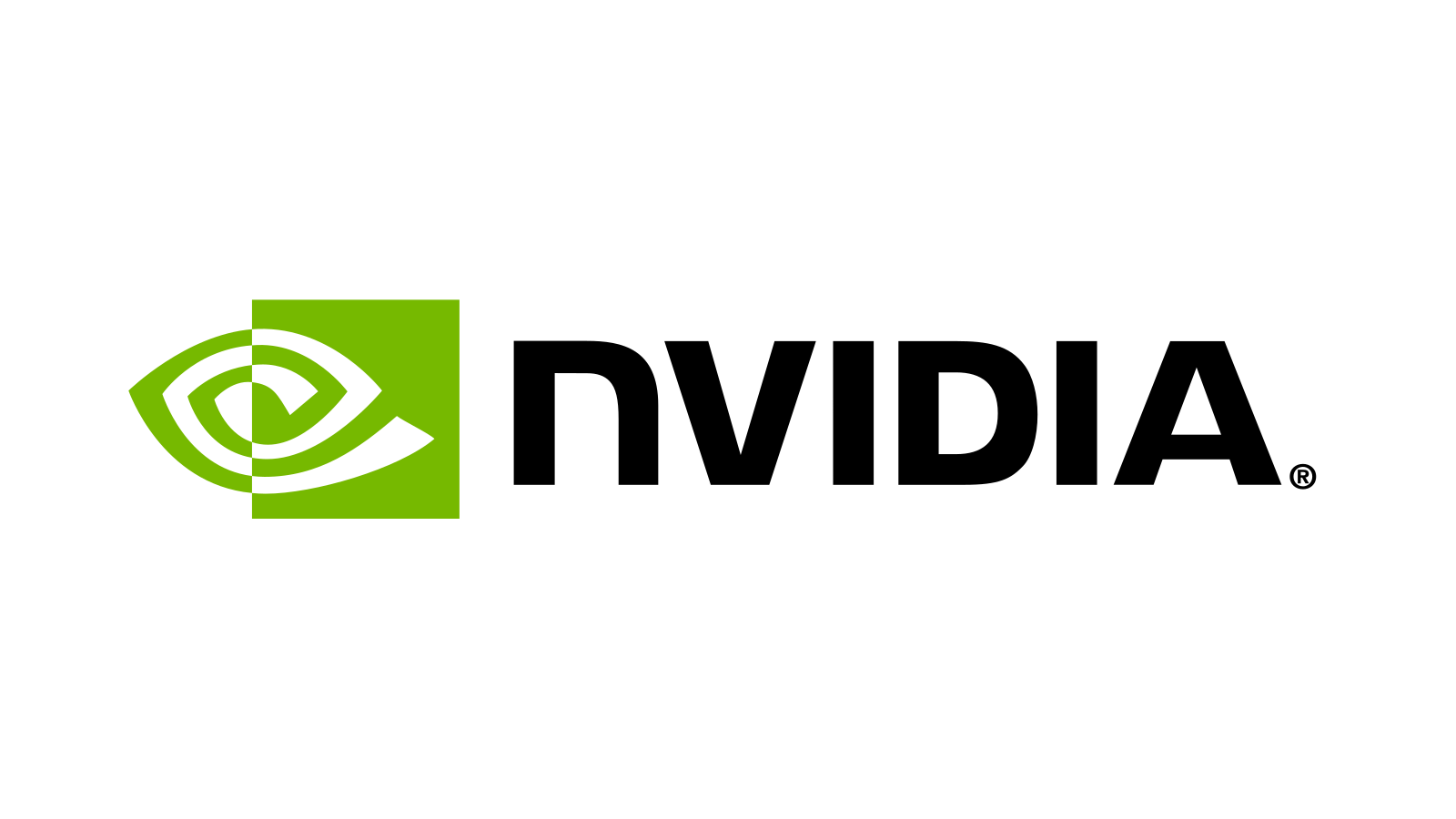
The simplified uppercase lockup keeps the eye while making the signature work across chips, systems, software, and infrastructure. source
Product and service lineage.
Nvidia only works when the page keeps product families, services, proof, and history separate enough to inspect.
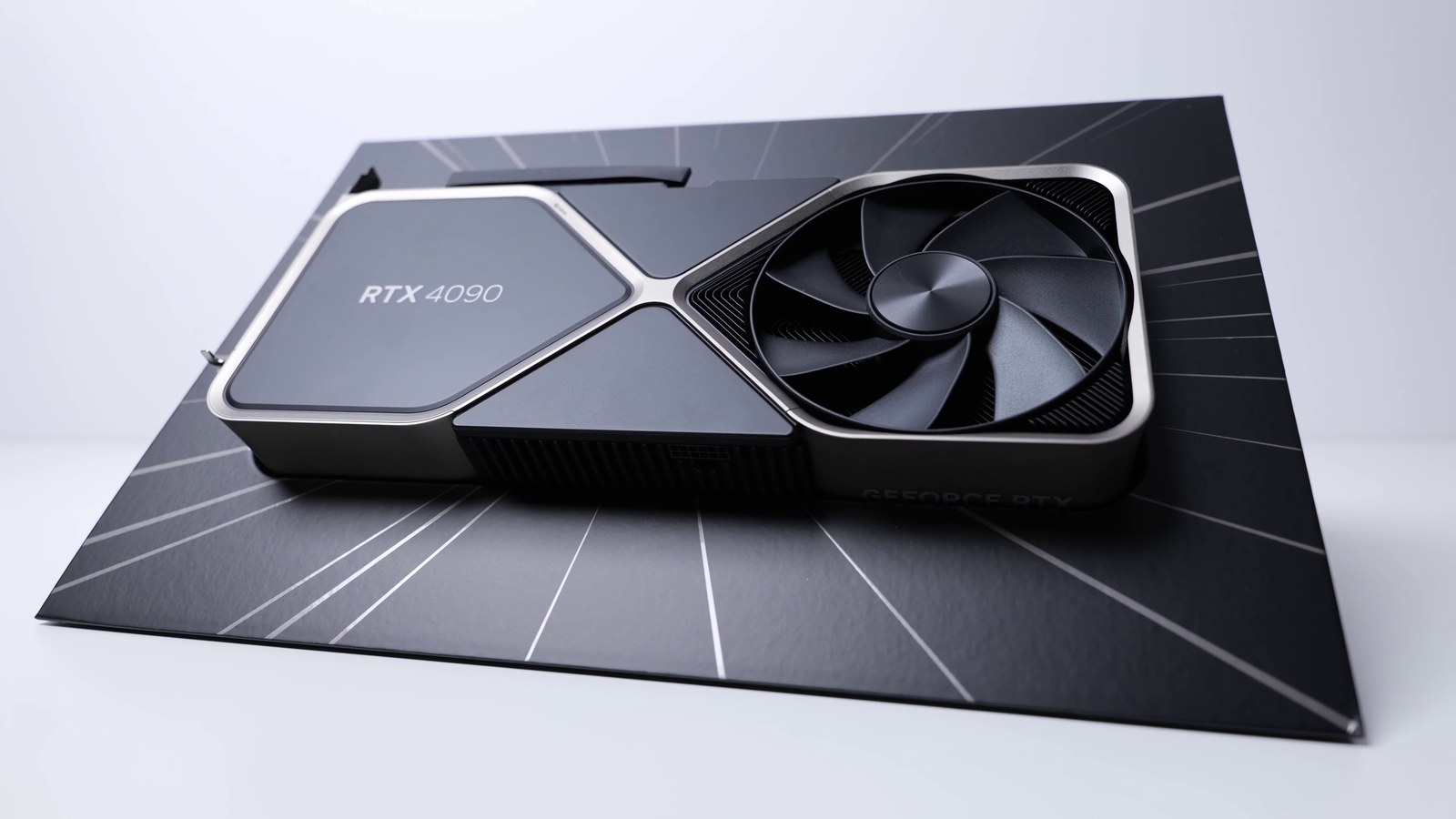
GeForce keeps consumer memory alive
The gaming and creator lane matters because it built public recognition before AI data centers dominated the story.
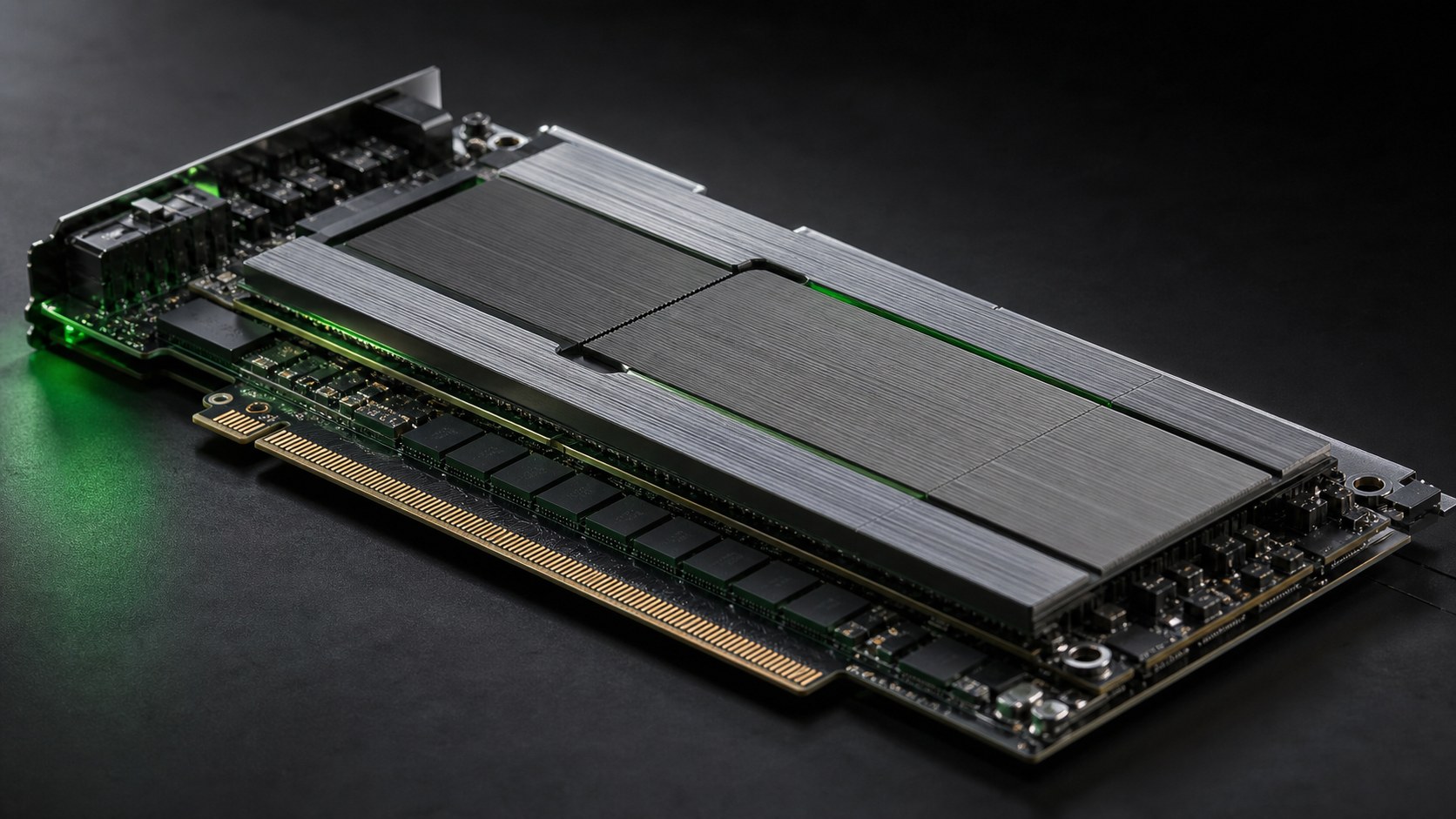
Accelerators make the platform physical
The software and cluster story begins with a specialized compute object buyers can inspect.
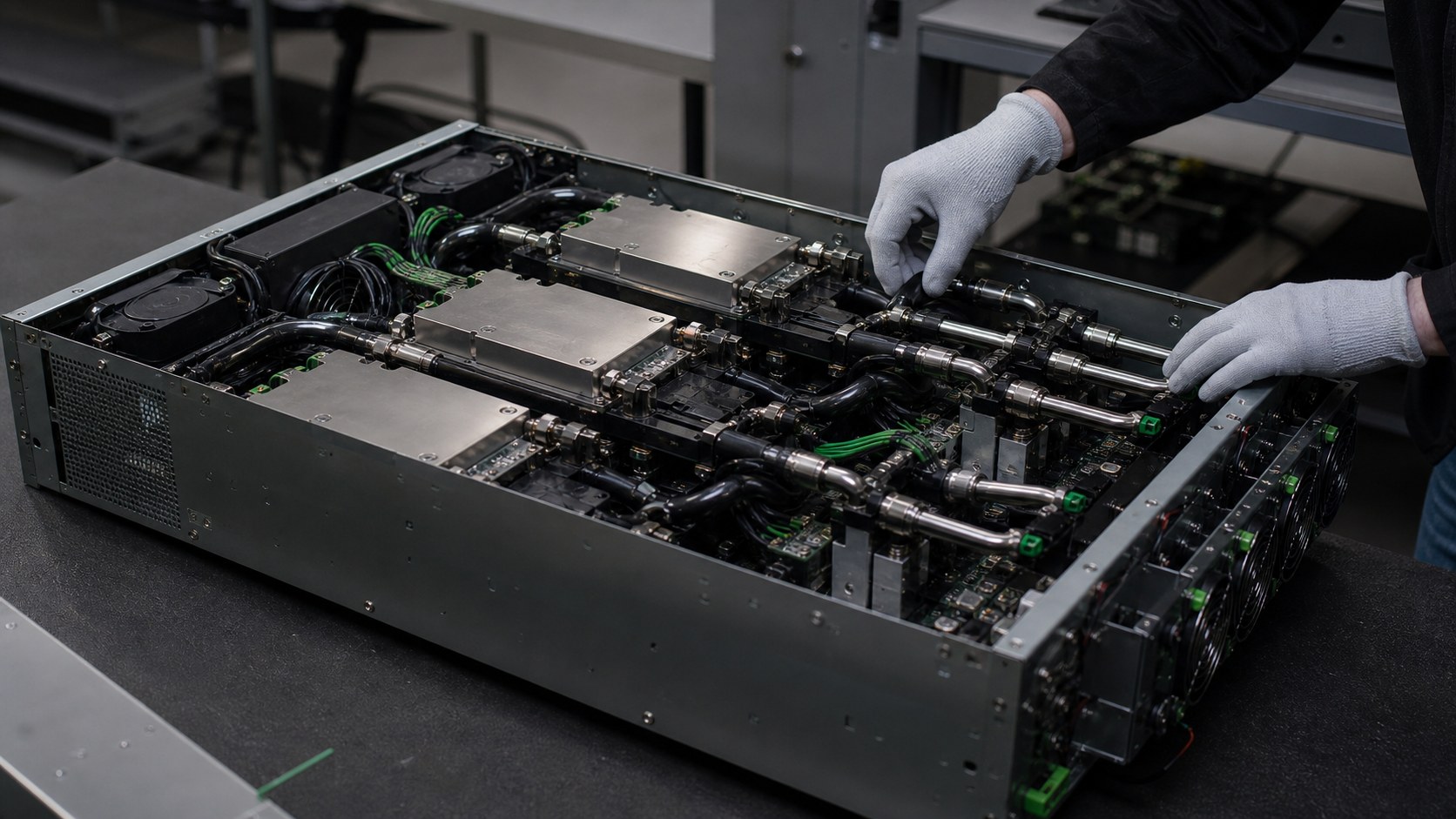
Systems beat component shorthand
The system view connects accelerators, cooling, power, and deployment into one operating product.
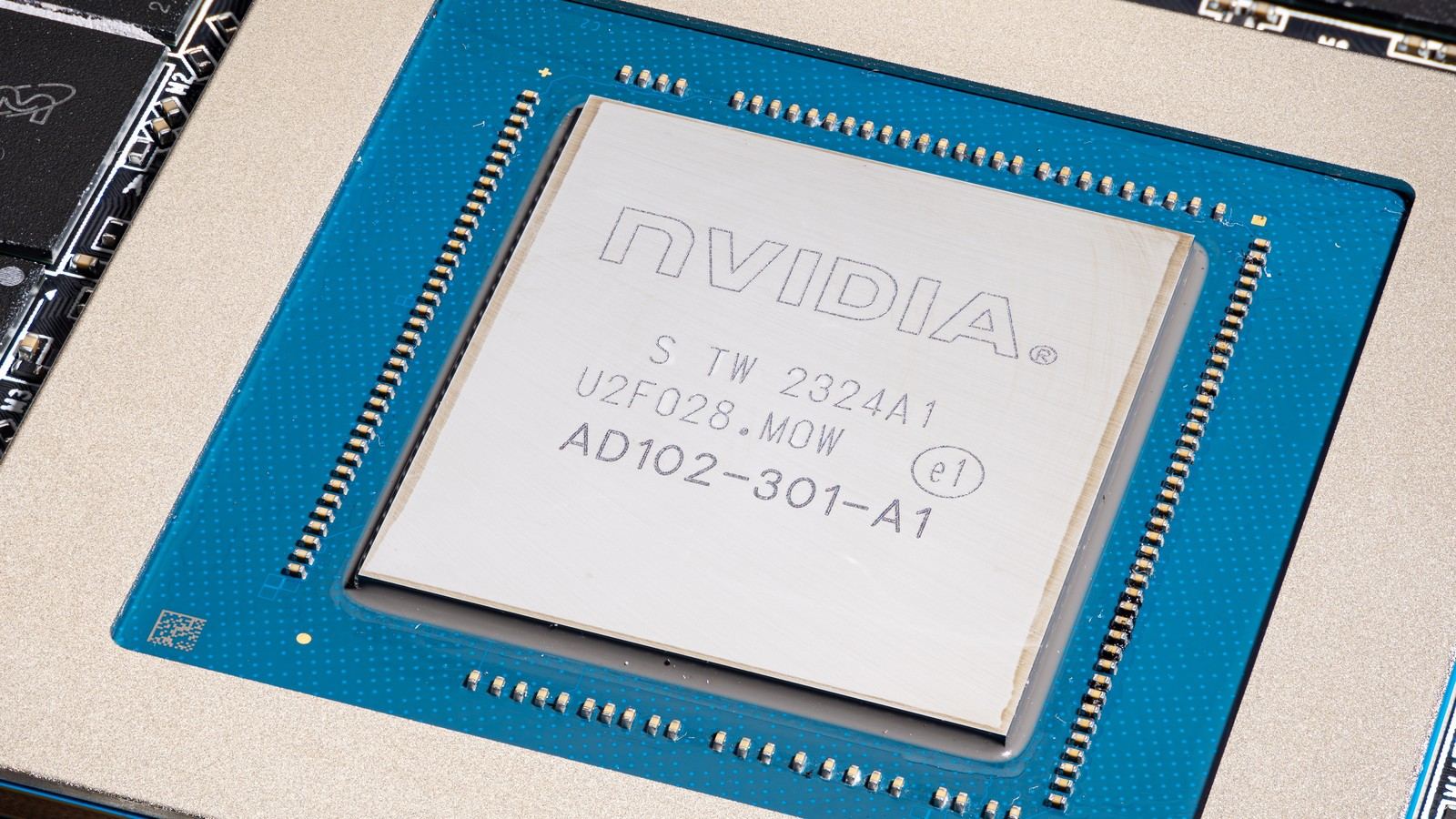
Silicon still matters
The AI platform story still has to pass through physical chips, supply, packaging, and performance proof.
Product and service system
The software platform makes Nvidia more than silicon; developers learn the system and keep returning.
Gaming, creators, ray tracing, and consumer GPUs keep the public recognition lane alive.
H100, H200, Blackwell, and future accelerators carry the AI infrastructure story.
Systems package compute, software, support, and deployment into a buyer-ready evidence point.
InfiniBand, Ethernet, Spectrum-X, and networking make clusters work at scale.
Simulation, automotive, edge AI, and robotics keep the platform beyond data-center training.
Software and deployment tools keep Nvidia visible after the chip ships, while cloud providers distribute access as partner channels.
Turning points.
Events that changed what buyers could see, buy, repeat, or trust.
Tesla GPUs and accelerated computing move deeper into technical and scientific workloads.
DGX-1 is introduced as an integrated AI supercomputer system.
RTX makes real-time ray tracing a consumer and creator cue.
Nvidia regained the market-value lead after Apple briefly overtook it in mid-July.
NVIDIA invested USD 3.5B in MediaTek convertible bonds as the companies expanded work across AI infrastructure, local computing, and automotive.
NVIDIA agreed to acquire Hugging Face for USD 12.93 billion. NVIDIA says the platform will remain open to competing hardware.
Public reaction.
The useful reaction is about trust and pressure, not sentiment counts.
The strongest Nvidia proof connects developer software, hardware, clusters, networking, systems, and deployment tools.
The brand weakens when it is reduced to GPUs and ignores supply constraints, platform dependency, and customer concentration.
Full timeline.
Nvidia is founded by Jensen Huang, Chris Malachowsky, and Curtis Priem.
Nvidia launches the GeForce 256 and goes public.
CUDA is introduced and turns GPUs into a broader computing platform.
Tesla GPUs and accelerated computing move deeper into technical and scientific workloads.
DGX-1 is introduced as an integrated AI supercomputer system.
RTX makes real-time ray tracing a consumer and creator cue.
Nvidia completes the Mellanox acquisition and strengthens data-center networking.
Hopper and H100 become central AI training and inference proof points.
Generative AI demand turns Nvidia data-center products into board-level strategy.
Blackwell is introduced as the next large AI platform generation.
Nvidia expands AI Enterprise, NIM, robotics, automotive, and cloud partner deployment stories.
FY2026 results and market value keep the brand in the public-company superlative race.
An agreement to buy developer distribution
Steal / avoid.
- Turn a component into a platform by owning software, education, and deployment.
- Keep the old recognition lane visible while the new profit engine grows.
- Make the keynote, developer stack, hardware, and customer outcomes tell the same story.
- Do not call Nvidia only a chip company.
- Do not hide CUDA, networking, DGX, Omniverse, DRIVE, Jetson, and software behind AI hype.
- Do not use fake dashboards, fake chips, or invented interface screens.
Short answer.
Nvidia should be read as a company system, not a single product. The useful lesson is to separate product families, evidence points, history, and public trust before reducing the brand to a shorthand.
Frequently asked questions
What is Nvidia's core brand signal?
Nvidia turns chips, CUDA, systems, networking, and software into the AI platform signal.
Why not describe Nvidia as one product?
The Nvidia promise spans chips, CUDA, systems, networking, cloud partnerships, developer adoption, and deployment support; no single product proves the platform.
What should another brand steal from Nvidia?
Turn a component into a platform by owning software, education, and deployment.
Need help with your own brand?
Use Private brand work when your name, identity, proof, or message needs a sharper branding decision.
Sources.
Use the education shelf for the concepts behind this brand page.
Private brand workUse Private Brand Work when a technology company needs to turn a component advantage into a clear platform across software, systems, partners, and buyer proof.
All brandsReturn to every brand page.
- Nvidia annual reports and proxies
- Nvidia corporate timeline
- Nvidia data center platform
- CUDA platform
- GeForce platform
- Nvidia DGX systems
- Nvidia networking
- Nvidia logo and brand usage
- Nvidia market capitalization
- NVIDIA Q2 FY27 results
- NVIDIA and MediaTek partnership
- NVIDIA announces Hugging Face acquisition agreement