Netflix · Grow Your Brand · Streaming habit and production system · United States / Active
Netflix
Netflix turns a subscription habit into a global production, distribution, ads, live, and games system. A brand page on Netflix as more than streaming: DVD origins, recommendation habit, originals, global production, mobile and TV apps, advertising tier, live events, games, and paid sharing discipline.
Positioning, name, and architecture.
Netflix's position, name, and portfolio show how a DVD-delivery promise became a global entertainment and production system.
Netflix turns a subscription habit into a global production, distribution, ads, live, and games system.
Netflix owns a repeated entertainment habit across streaming, originals, local production, ads, live events, games, and account management.
Netflix was incorporated in 1997 and began operations in 1998 as a DVD-delivery business.
No standing corporate tagline.
One subscription brand across content, ads, live programming, and games
Netflix started with DVD delivery, then made streaming, recommendation, profiles, and device reach the product. Originals added supply ownership; local-language production carried the service across markets. Ads, paid sharing, live events, and games now test how far the red-N habit can stretch without weakening subscription trust.
The red envelope made convenience visible before streaming made it invisible.
Portfolio family: Red envelope source
The product is search, recommendation, playback, profiles, app ubiquity, and household habit.
Portfolio family: Playback and profiles source
Originals turn Netflix from distributor into supply owner and taste shaper.
Portfolio family: Original films and series source
Local originals let the brand travel without relying only on Hollywood supply.
Portfolio family: Local-language titles source
Monetization changed the trust promise and made the account relationship more explicit.
Portfolio family: Standard with ads / extra members source
Live programming adds appointment viewing to an on-demand memory system.
Portfolio family: Live programming source
Games test whether the red-N habit can stretch into entertainment beyond passive viewing.
Portfolio family: Games source
Naming and tagline progression
Netflix, Inc. is incorporated on 29 Aug 1997.
Netflix begins operations on 14 Apr 1998.
Netflix goes public.
Market and scale snapshot.
FY2025 revenue, net income, market value, and ticker show the scale behind the subscription and production system.
FY2025 value in USD.
FY2025 value in USD.
Dated market-cap observation after the July results reaction; Netflix shares fell after Q3 guidance disappointed investors.
Netflix common stock trades on the Nasdaq Global Select Market.
Color system.
Black matches the viewing environment; Netflix red keeps the service recognizable at wordmark and app-icon scale.
How the palette behaves
Black gives title art a cinematic field.
Netflix red carries the wordmark and N cue.
White and gray let changing title imagery sit behind a stable master signal.
Recognition assets.
Memory pieces the brand can use before someone finishes a sentence.
The color system is immediate and works at TV distance.
The compact red N keeps Netflix identifiable on TV, mobile, and device menus before a title is selected.
Hits and misses both shape the perception of taste and volume.
The algorithm is a brand surface because it decides what people see next.
Scores.
Use these scores to compare recognition, trust, proof, pressure, and risk.
The red-on-black signal is global and screen-native.
Streaming, originals, ads, live, and games need separation.
The brand is built on repeated viewing behavior.
Price, password sharing, cancellations, and content volume create pressure.
Profiles, recommendations, playback reliability, originals, live delivery, and account controls make the subscription promise visible.
Netflix needs parent, product, service, and history lanes labeled cleanly so search systems do not flatten the brand into one vague entity.
Netflix becomes easier to judge when viewing habit, production, live delivery, games, and subscription economics are shown as one experience system.
Streaming, originals, ads, live events, and games need separate jobs under one subscription habit.
How the logo changed.
The masterbrand moves from its first DVD-era symbol through the dimensional streaming-era wordmark to the flat red wordmark used today.
The first mark belongs to the DVD-by-mail trust problem.
The dimensional wordmark appears on Netflix's official 2007 annual report as streaming enters the service. source
The flat red wordmark removes the dimensional shadow and works across screens, production credits, and corporate surfaces. source
Product and service lineage.
DVD trust became a streaming habit, then expanded into originals, local-language production, ads, live events, games, and tighter account economics.
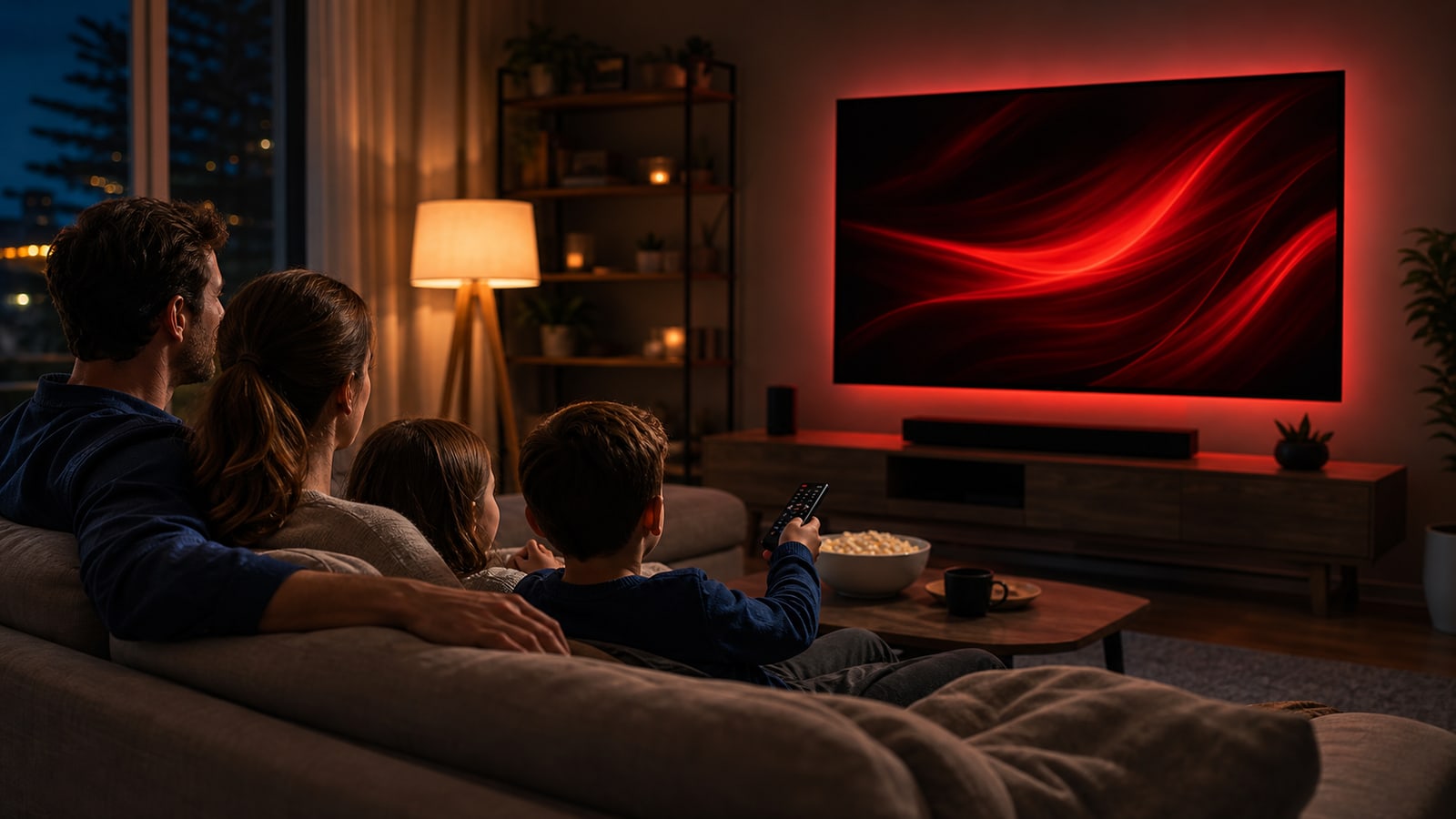
Home habit is the product
The strongest cue is the repeated decision to open Netflix at night, not a single show logo.
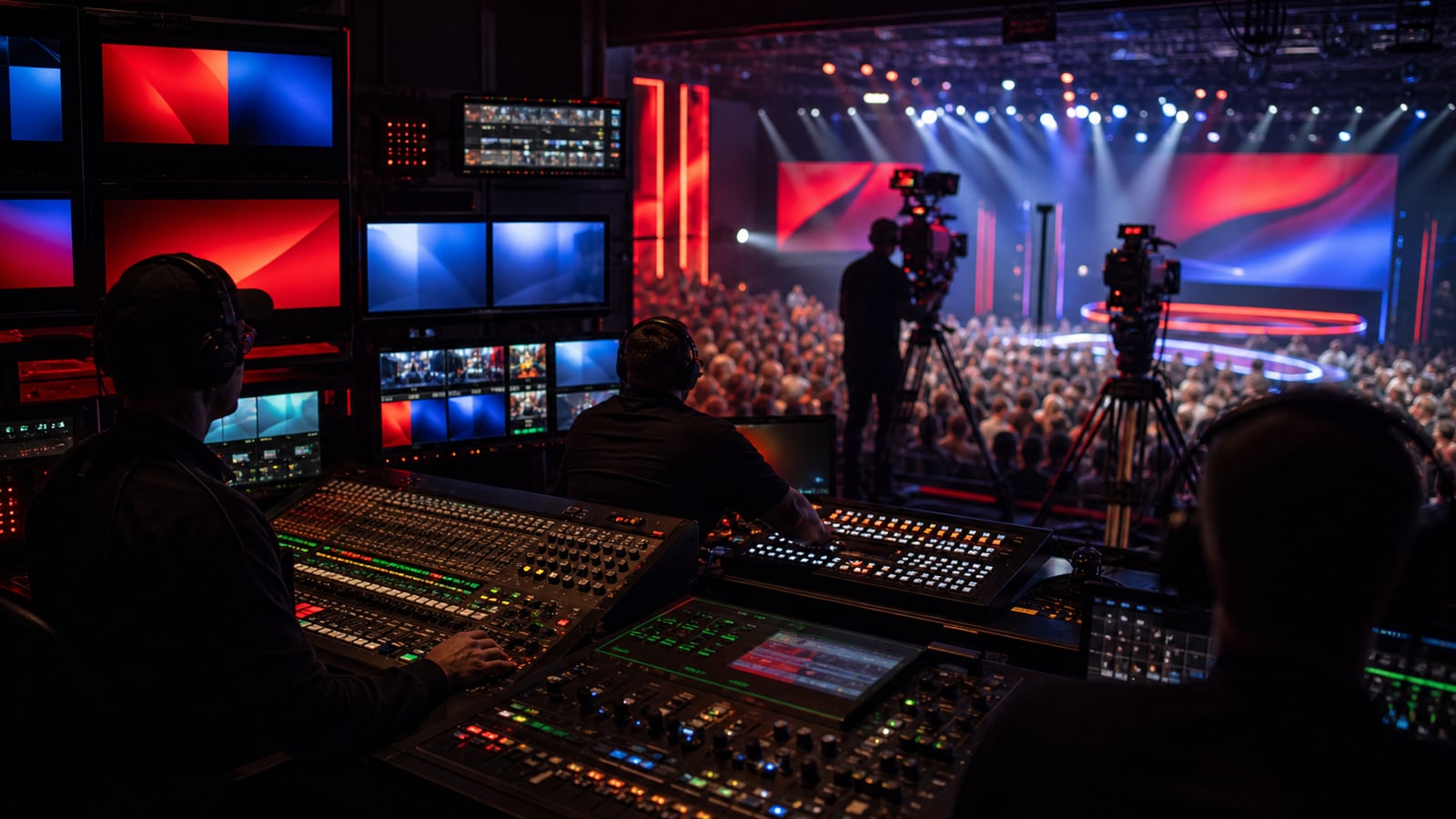
Live changes the promise
Sports, comedy, and events add schedule pressure to a brand built on on-demand habit.

Games test the next behavior
Games, ads, live events, and bundles test whether Netflix can become more than a video subscription.
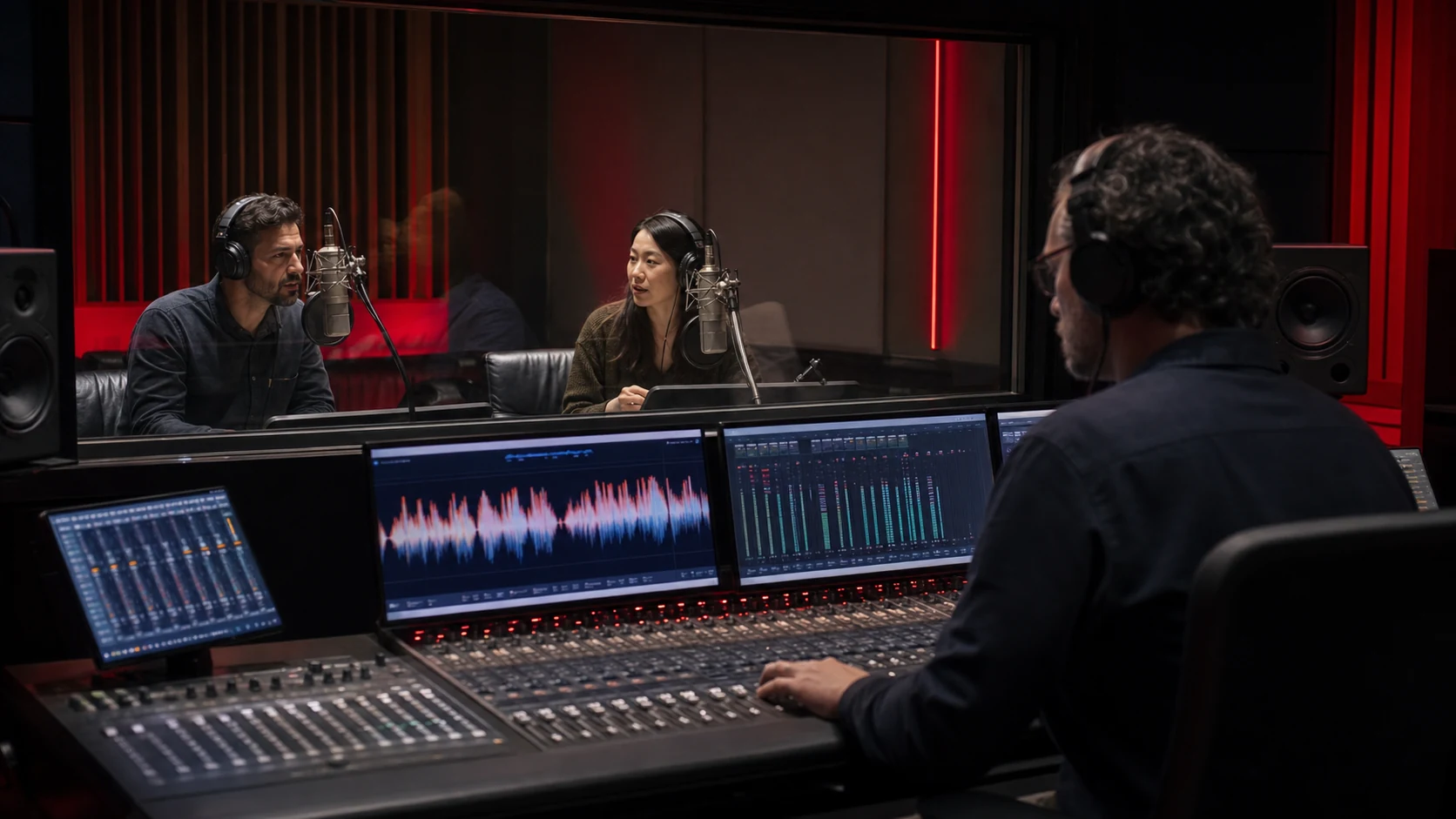
Local stories need global delivery
Dubbing, subtitling, and localization operations help one service carry productions across languages and markets.
Product and service system
The red envelope made convenience visible before streaming made it invisible.
The product is search, recommendation, playback, profiles, app ubiquity, and household habit.
Originals turn Netflix from distributor into supply owner and taste shaper.
Local originals let the brand travel without relying only on Hollywood supply.
Monetization changed the trust promise and made the account relationship more explicit.
Live programming adds appointment viewing to an on-demand memory system.
Games test whether the red-N habit can stretch into entertainment beyond passive viewing.
Turning points.
Events that changed what buyers could see, buy, repeat, or trust.
Netflix launches streaming.
The Qwikster reversal shows how fragile subscription trust can be.
Netflix launches in more than 130 additional countries.
Q2 revenue rose about 13%, but the Q3 forecast disappointed investors and Netflix said it would reduce the frequency of viewing-hours reports.
Public reaction.
The useful reaction is about trust and pressure, not sentiment counts.
Habit, original supply, global reach, recommendation, pricing, and device ubiquity reinforce one another.
The brand weakens when subscribers see price increases, account restrictions, or content volume without enough must-watch titles.
Full timeline.
Netflix, Inc. is incorporated on 29 Aug 1997.
Netflix begins operations on 14 Apr 1998.
Netflix goes public.
Netflix launches streaming.
The Qwikster reversal shows how fragile subscription trust can be.
House of Cards makes originals a central brand proof.
Netflix expands to more than 130 additional countries.
Netflix moves deeper into games.
Netflix launches its advertising-supported plan.
Paid sharing changes the account relationship and revenue story.
Netflix streams The Netflix Slam, a live tennis exhibition featuring Rafael Nadal and Carlos Alcaraz.
Netflix reports FY2025 revenue and profit while ads, live, games, and originals widen the system.
Steal / avoid.
- Own the behavior, not only the content.
- Use product habit as a brand asset: profiles, resume, recommendations, and device memory.
- Treat monetization changes as trust events, not only pricing moves.
- Do not reduce Netflix to streaming video.
- Do not ignore originals, ads, live, games, paid sharing, and global production.
- Do not let changing title art overpower the stable service, account, and recommendation experience.
Short answer.
Netflix is an entertainment subscription built from viewing habit, recommendation, original production, global distribution, advertising, live events, games, and account controls. The red N is memorable because the service repeats across all of those surfaces.
Frequently asked questions
What is Netflix's core brand signal?
Netflix turns a subscription habit into a global production, distribution, ads, live, and games system.
Why not describe Netflix as one product?
Because Netflix's 2025 filing describes TV series, films, games, and live programming, while its plan pages add advertising and extra-member account rules to the same subscription.
What should another brand steal from Netflix?
Own the behavior, not only the content.
Need help with your own brand?
Use Private brand work when your name, identity, proof, or message needs a sharper branding decision.
Sources.
Use the education shelf for the concepts behind this brand page.
Private brand workUse Private Brand Work when a subscription brand must separate the masterbrand, content franchises, ad tier, live programming, games, and production proof without diluting the red N.
All brandsReturn to every brand page.
- https://www.sec.gov/Archives/edgar/data/1065280/000106528026000034/nflx-20251231.htm
- https://www.sec.gov/Archives/edgar/data/1065280/000106528026000034/R10.htm
- https://ir.netflix.net/investor-news-and-events/financial-releases/press-release-details/2002/Netflix-Announces-Initial-Public-Offering/default.aspx
- https://commons.wikimedia.org/wiki/File:Netflix_first_logo.svg
- https://about.netflix.com/en/company-assets
- https://about.netflix.com/en/news/made-in-asia-watched-by-the-world
- https://www.prnewswire.com/news-releases/dvds-will-be-staying-at-netflixcom-131444773.html
- https://about.netflix.com/en/news/a-decade-of-netflix-series
- https://about.netflix.com/en/news/netflix-is-now-available-around-the-world
- https://about.netflix.com/en/news/let-the-games-begin-a-new-way-to-experience-entertainment-on-mobile
- https://about.netflix.com/en/news/our-newest-plan-now-available-us
- https://about.netflix.com/en/news/update-to-paid-sharing
- https://about.netflix.com/en/news/netflix-slam-recap
- https://s22.q4cdn.com/959853165/files/doc_financials/annual_reports/AR_10K_final_2007.pdf
- https://help.netflix.com/en/node/24926
- https://help.netflix.com/en/node/126831
- https://stockanalysis.com/stocks/nflx/history/
- https://www.sec.gov/Archives/edgar/data/1065280/000106528026000189/nflx-20260604.htm
- Netflix investor relations
- Netflix market capitalization
