Microsoft · Grow Your Brand · Masterbrand / endorsed product portfolio · United States / Active / public company
Microsoft
Microsoft lets one company mark carry trust while major products keep separate jobs. Microsoft 365, Azure, Windows, GitHub, LinkedIn, Xbox, Surface, Bing, and Copilot belong to one company without needing to become one undifferentiated product.
Positioning, name, and architecture.
Microsoft's architecture question is where the company name should transfer trust and where product or acquired-brand equity should stay independent.
One company mark can carry enterprise trust across a portfolio while Windows, Azure, GitHub, LinkedIn, Xbox, and Copilot retain separate buyer jobs.
Microsoft positions the company as a trusted platform owner, then lets major products and owned brands carry the specific promise a buyer is choosing.
Microsoft began as Micro-Soft, joining microprocessors and software into one company name.
The company name, product names, and owned brands carry the portfolio more consistently than one global slogan.
company masterbrand with product brands and owned-brand autonomy
Three reportable segments organize the current business; product and owned-brand names inside them keep different users, buying motions, and trust jobs visible.
Daily work, communication, professional identity, and business applications create recurring workflow trust.
Reportable segment: Microsoft 365 / Teams / LinkedIn / Dynamics source
Cloud infrastructure, server products, enterprise services, and developer workflow make Microsoft part of other organizations' operating layer.
Reportable segment: Azure / server products / GitHub source
Windows, devices, search, and gaming keep large consumer and workplace surfaces inside the company system.
Reportable segment: Windows / Surface / Bing / Xbox source
GitHub, LinkedIn, Xbox, and Activision Blizzard show that ownership does not require every name to be replaced by Microsoft.
Architecture boundary: GitHub / LinkedIn / Xbox / Activision Blizzard source
Naming and tagline progression
Micro-Soft names the original microprocessor-software focus.
Microsoft becomes the company endorsement above Windows, Office, server, and device products.
Microsoft leads where trust should transfer; GitHub, LinkedIn, Xbox, and other strong names keep separate equity.
Market and scale snapshot.
Microsoft's FY2026 results turn distribution into measurable AI proof: Azure grew 43%, Microsoft 365 Copilot passed 30 million paid seats, and quarterly free cash flow remained positive at USD 19.6 billion despite heavy infrastructure spending.
FY2026 company revenue, up 18% year over year.
FY2026 GAAP net income, up 31% year over year.
Dated 3 Aug 2026 market-cap observation after a 15.5% one-session rise added about USD 450 billion in market value.
Microsoft public-company ticker and ISIN.
Color system.
The four-color company mark creates corporate recognition, but product names, icons, devices, and interfaces still need to tell buyers which Microsoft system they are using.
How the palette behaves
Blue carries the strongest Microsoft and enterprise-software association across company and product surfaces.
Green keeps gaming, productivity history, and product-family contrast from collapsing into one corporate blue field.
Yellow and red complete the four-square company mark and add warmth to a portfolio often judged through technical trust.
Multicolor recognition helps identify the company; it cannot explain ownership, endorsement, security, pricing, or product role by itself.
Recognition assets.
Microsoft recognition is layered: the company mark identifies the owner, while product names, icons, hardware, and owned brands identify the job.
The company mark creates a stable parent signal without pretending every product uses one interface or icon.
Windows remains a major recognition asset, but Azure, Microsoft 365, GitHub, LinkedIn, Xbox, and Copilot need separate roles.
GitHub and LinkedIn show how Microsoft can transfer trust while preserving names users already understand.
Identity, security, administration, code, collaboration, devices, support, and gaming make the portfolio real.
Scores.
These scores test whether Microsoft can transfer trust across a wide portfolio without losing product clarity.
The Microsoft name and four-square mark are globally recognizable.
Three reportable segments give the portfolio a stable financial and operating frame.
Windows, Azure, GitHub, LinkedIn, Xbox, Surface, and Copilot keep distinct buyer jobs.
Cloud, identity, security, support, and workplace adoption make trust operational.
GitHub, Azure, Visual Studio, and platform tooling keep Microsoft inside developer workflow.
Windows, Surface, Xbox, search, and gaming content keep the company visible outside enterprise IT.
Acquisitions and AI layers raise the burden of explaining ownership, endorsement, and product boundaries.
The parent mark is stable, but product and owned-brand systems remain deliberately varied.
How the logo changed.
These dated identity cards show how the company name gained enough weight to carry an expanding portfolio.
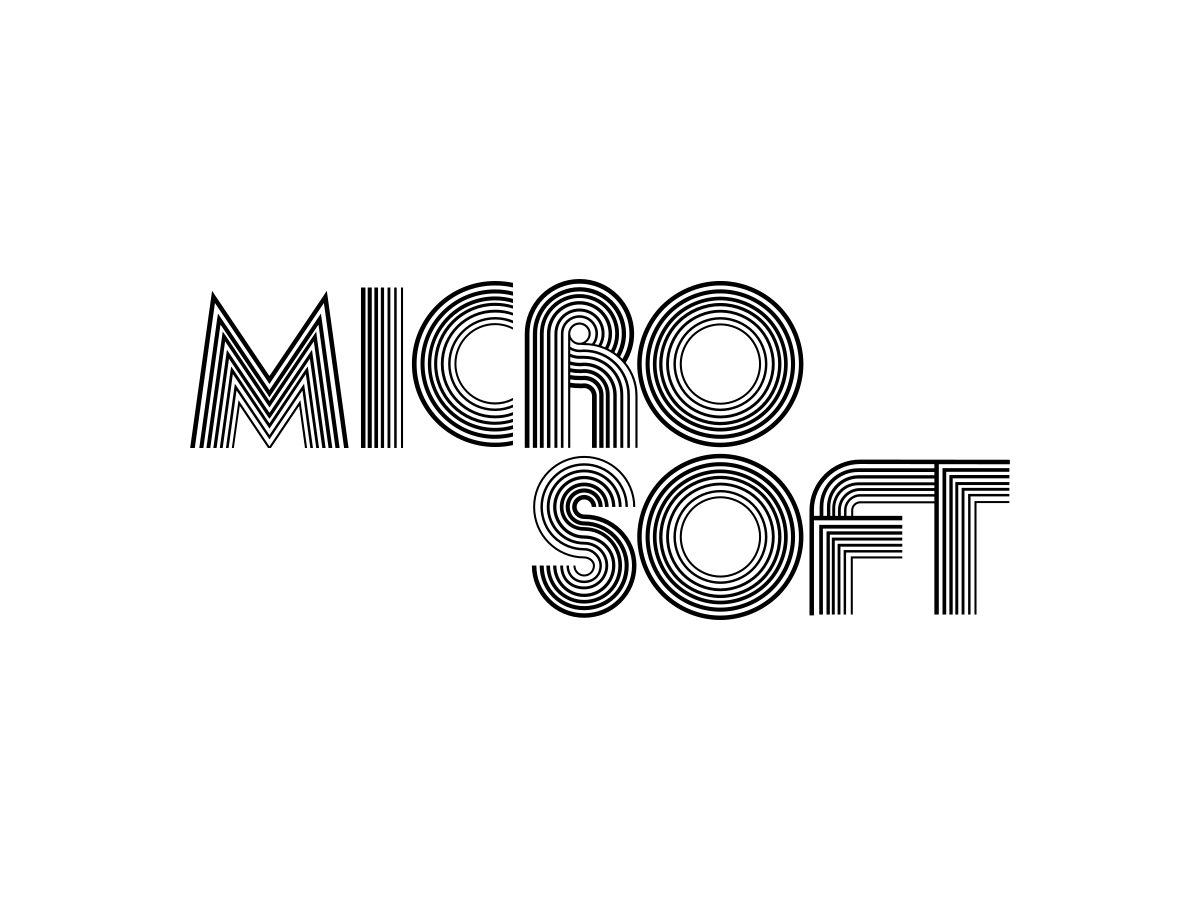
The original name joins microprocessors and software before Microsoft becomes a broad portfolio masterbrand. source
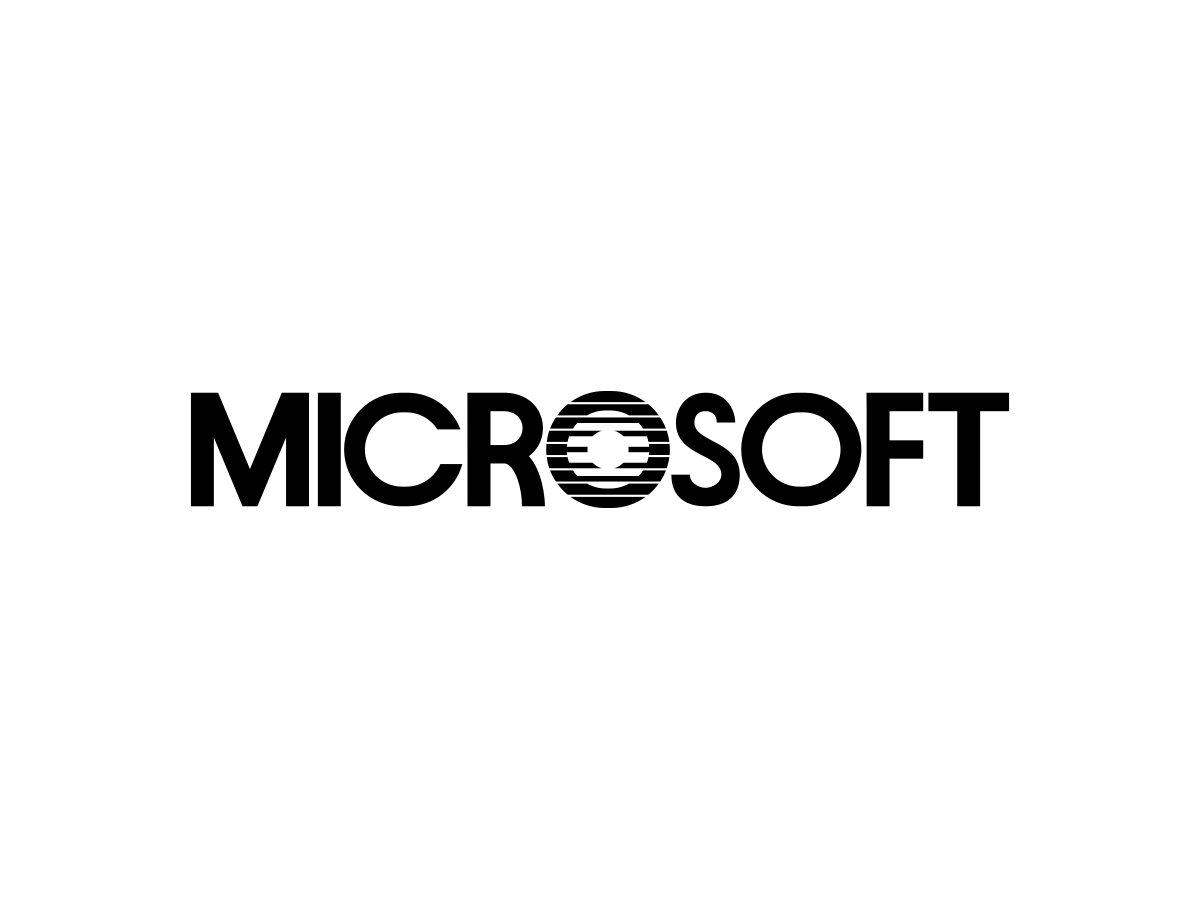
A more compact wordmark made the company name easier to carry as the software business expanded.
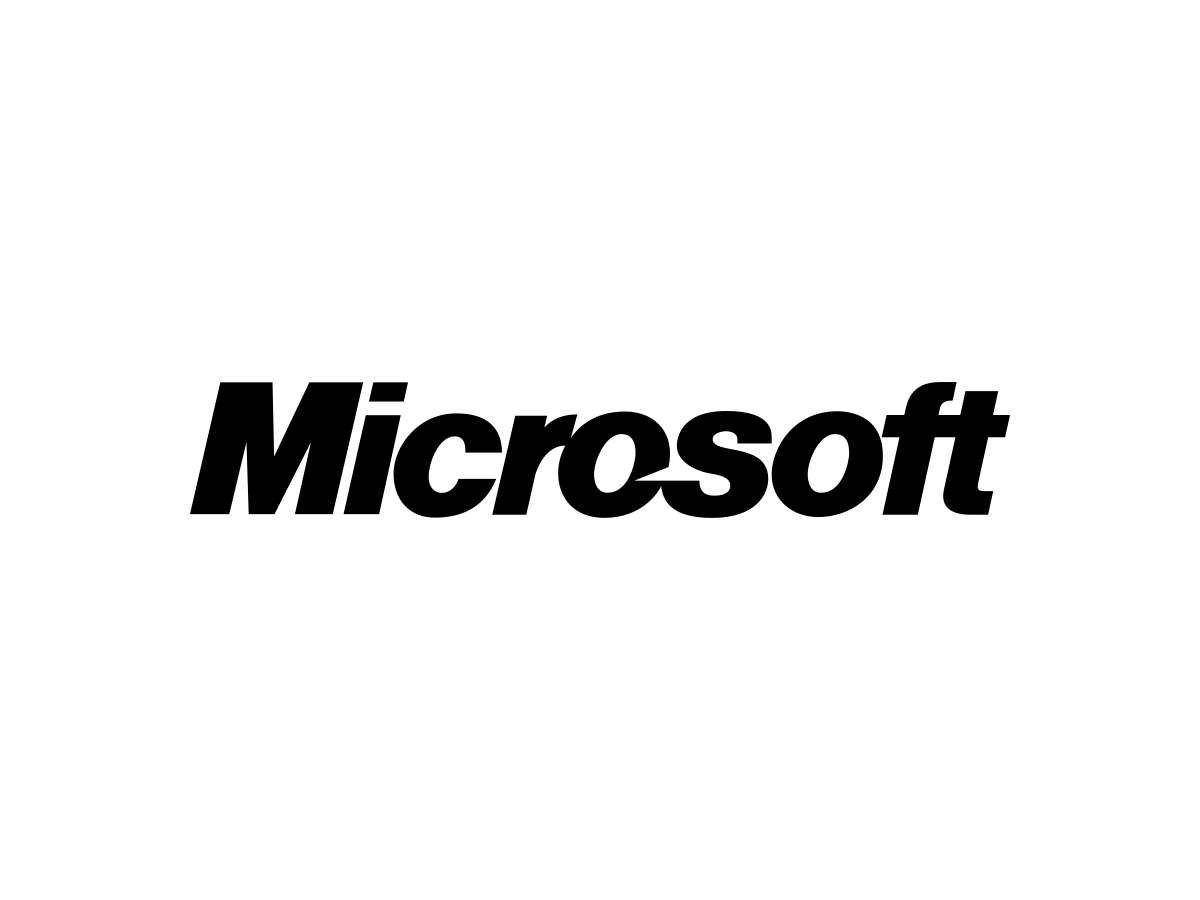
The company name gains enough recognition to sit above Windows, Office, servers, devices, and later platforms.
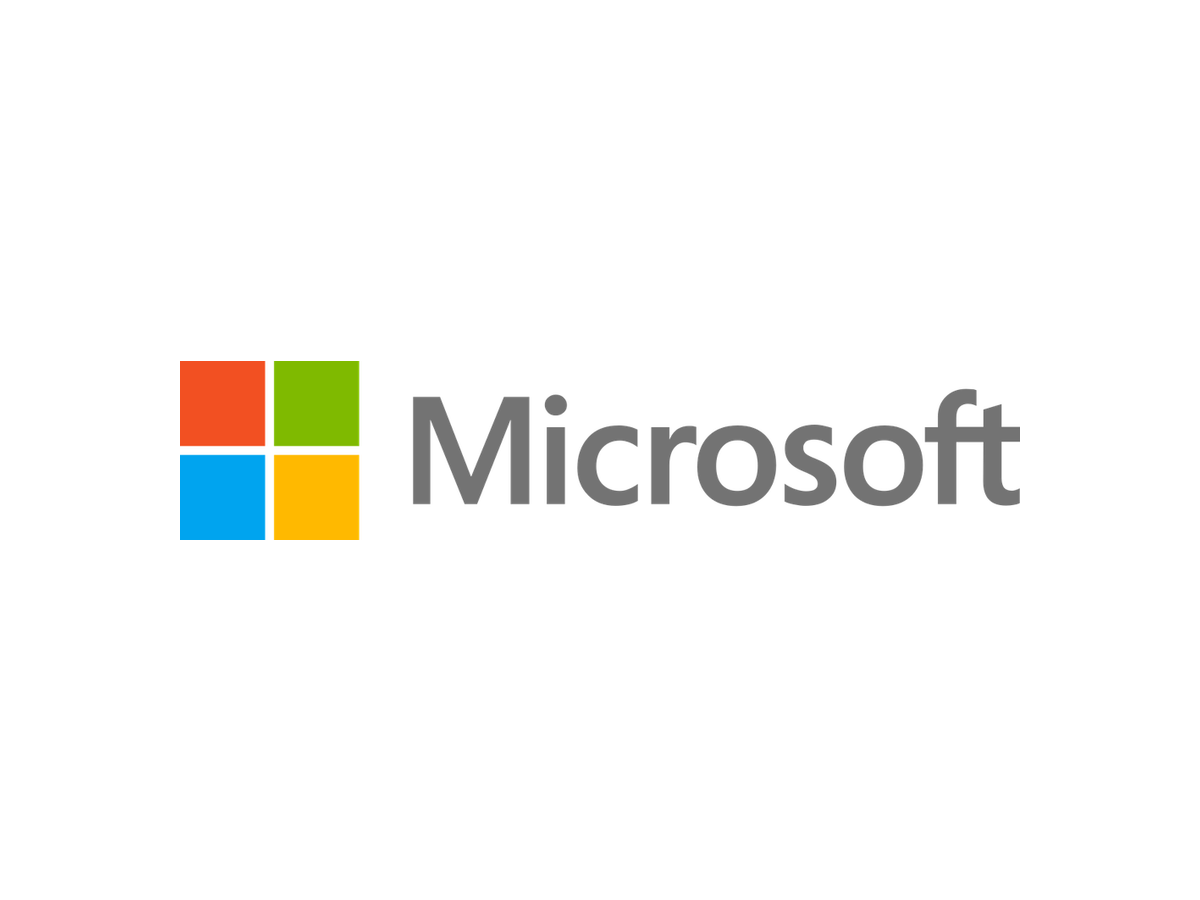
The current four-square symbol and wordmark give the company a stable parent cue while major products retain separate names and identities.
Product and service lineage.
The campus hero establishes operating scale; four supporting visuals separate portfolio breadth, hardware, cloud operations, and workplace collaboration without reusing an image.

One owner, several buyer systems
The editorial composition separates workplace, gaming, cloud, and device contexts while keeping the company cue visible.
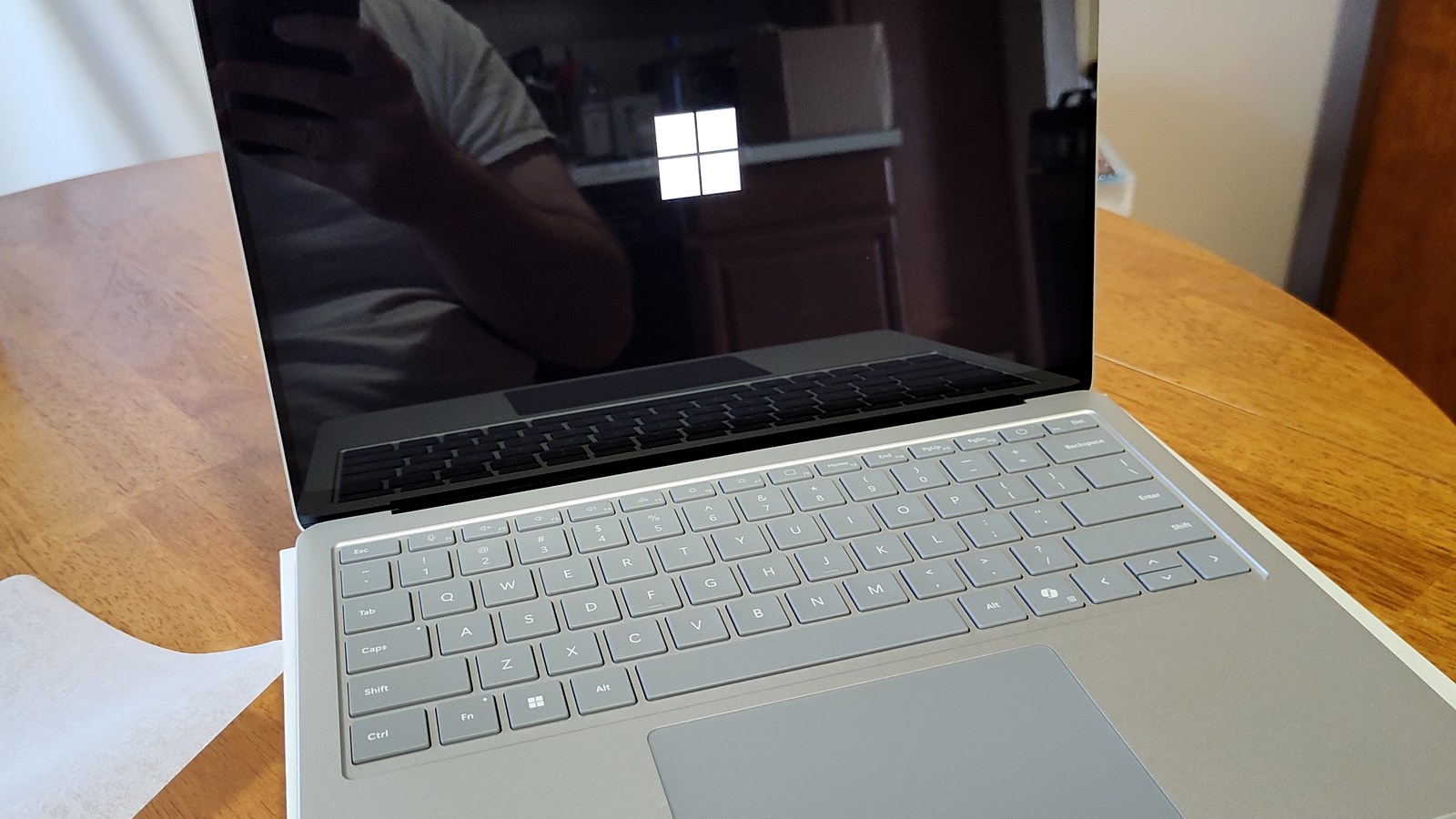
Surface makes Microsoft tangible
Hardware gives the company a physical workplace surface while remaining one product family inside a much wider system.

Cloud trust is operational
Physical infrastructure and expert operations make the enterprise platform promise visible without reducing Microsoft to a diagram or interface.

Productivity lives in shared work
The workplace system becomes credible through recurring collaboration across rooms, devices, and remote participants rather than through one software screenshot.
Product and service system
Company formation, the IBM PC operating-system deal, Windows, and Office build software and productivity memory.
Xbox gives Microsoft a consumer entertainment and gaming platform with its own audience and identity.
Azure moves the company from desktop and server software toward global cloud infrastructure.
LinkedIn and GitHub add professional identity and developer workflow without erasing their names.
Copilot becomes a named AI layer while Activision Blizzard expands gaming and content scale.
Turning points.
Each turning point changes a different Microsoft trust or buying relationship, from software standards and cloud infrastructure to acquired-brand autonomy and AI distribution.
The operating-system relationship puts Microsoft inside the personal-computing layer other companies build around.
Documents, spreadsheets, and presentations create a durable productivity system rather than isolated applications.
Cloud infrastructure makes Microsoft part of other organizations' systems, not only software on a personal computer.
LinkedIn and GitHub keep independent equity while joining Microsoft's professional and developer portfolio.
Azure grew 43% and Microsoft 365 Copilot passed 30 million paid seats. The quarter showed that Microsoft's installed enterprise distribution can turn AI investment into revenue and adoption.
Public reaction.
Microsoft is judged on whether customers can understand ownership, trust transfer, security, product role, and integration across the portfolio.
Enterprise buyers can connect identity, productivity, cloud, security, developer tooling, devices, and support under one company relationship.
GitHub, LinkedIn, Xbox, and Windows remain easier to choose because the portfolio does not force every promise into one generic Microsoft label.
The company gets harder to understand when cloud, workplace, gaming, search, devices, and AI are described as one undifferentiated platform.
Every acquisition and cross-product promise increases scrutiny around security, interoperability, pricing, and whether the connection helps the user.
Full timeline.
Micro-Soft is formed around software for the emerging microcomputer market.
The IBM PC operating-system deal makes Microsoft central to personal computing.
Windows 1.0 begins the graphical operating-system family.
Microsoft Office turns major workplace tools into a suite.
Windows 95 makes Start, taskbar, and PC memory mainstream.
Xbox moves Microsoft into console gaming.
Azure becomes a live cloud platform and changes the company's operating center.
The LinkedIn acquisition closes, adding professional identity and network reach.
The GitHub acquisition closes, adding a major developer workflow and community.
Microsoft 365 Copilot launches as a named AI layer across work products.
The Activision Blizzard acquisition closes and expands gaming and content scale.
Azure grows 43%, Copilot passes 30 million paid seats, and the market adds about USD 450 billion to Microsoft in one session.
Steal / avoid.
- Decide where parent-company trust should transfer and where a product name should stay independent.
- Organize a wide portfolio by buyer job before describing visual consistency.
- Use existing distribution to introduce a new capability, but keep the capability's job explicit.
- Let operating proof in cloud, devices, code, support, and gaming carry the architecture story.
- Do not reduce Microsoft to Windows or AI headlines.
- Do not rename every acquired brand just to make the portfolio look uniform.
- Do not imply Microsoft owns OpenAI.
- Do not use the four-color mark as proof that every product relationship is clear.
Short answer.
Microsoft's brand signal is a company mark that transfers trust across three operating segments while major products and owned brands keep separate jobs. Microsoft 365 and Teams carry daily work, Azure and GitHub carry cloud and developer trust, and Windows, Surface, Bing, Xbox, LinkedIn, Copilot, and Activision Blizzard hold different user memories. The useful lesson is to connect a portfolio without flattening it.
Frequently asked questions
What is Microsoft's clearest brand lesson?
A masterbrand should transfer trust without erasing the product and owned-brand names buyers already understand.
Why does Microsoft keep names such as GitHub and LinkedIn?
Those names carry strong developer and professional-network equity. Ownership can add trust and integration without forcing a rename.
What should another company avoid copying?
Do not copy portfolio breadth without a clear architecture. Every product family needs a buyer, promise, operating role, and relationship to the parent.
Need help with your own brand?
Use Private brand work when your name, identity, proof, or message needs a sharper branding decision.
Sources.
Use the education shelf for the concepts behind this brand page.
Private brand workUse this when the decision belongs to your own brand.
All brandsReturn to every brand page.
- Microsoft FY2025 annual report
- Microsoft is born
- LinkedIn acquisition closes
- GitHub acquisition closes
- Microsoft 365 Copilot
- Activision Blizzard acquisition closes
- Microsoft market capitalization
- Microsoft FY2026 fourth-quarter and full-year results
- Microsoft USD 450 billion one-day market-value gain