Intel · Grow Your Brand · Semiconductor, PC, data-center, and foundry system · United States / Active
Intel
Intel turns silicon trust into PC, data-center, AI, and foundry proof. A brand page on Intel as a semiconductor system: x86, Intel Inside, Pentium, Core, Xeon, vPro, data center, AI PC, Intel Foundry, fabs, process roadmap, packaging, Arc graphics, edge, software, manufacturing trust, and the history that moved the company from memory chips to processor ingredient brand to foundry turnaround.
Positioning, name, and architecture.
Three evidence checks before the page talks about scale, color, or public reaction.
Intel turns silicon trust into PC, data-center, AI, and foundry proof.
A brand page on Intel as a semiconductor system: x86, Intel Inside, Pentium, Core, Xeon, vPro, data center, AI PC, Intel Foundry, fabs, process roadmap, packaging, Arc graphics, edge, software, manufacturing trust, and the history that moved the company from memory chips to processor ingredient brand to foundry turnaround.
Intel operates as the parent/company mark for a wider system.
No verified current company-wide tagline; Intel is read through Core, Xeon, foundry, fabs, Arc, edge, AI PCs, and Intel Inside memory.
company system / portfolio architecture
Client Computing: Core, vPro, AI PC, laptop, desktop, and OEM ecosystem memory carry the consumer and enterprise PC lane. Data Center and AI: Xeon, accelerators, networking, software, and workload claims carry server and AI proof. Intel Foundry: Fabs, process nodes, advanced packaging, and external manufacturing customers make the brand physical again. Manufacturing and process: High-NA EUV, wafers, packaging, and fabs are trust surfaces, not background operations. Arc graphics: Graphics gives Intel a visible creator, gaming, and GPU competition lane. Edge and network: Edge, connectivity, and industrial compute widen the system beyond PCs and servers.
Core, vPro, AI PC, laptop, desktop, and OEM ecosystem memory carry the consumer and enterprise PC lane.
Portfolio family: Client Computing source
Xeon, accelerators, networking, software, and workload claims carry server and AI proof.
Portfolio family: Data Center and AI source
Fabs, process nodes, advanced packaging, and external manufacturing customers make the brand physical again.
Portfolio family: Intel Foundry source
High-NA EUV, wafers, packaging, and fabs are trust surfaces, not background operations.
Portfolio family: Manufacturing and process source
Graphics gives Intel a visible creator, gaming, and GPU competition lane.
Portfolio family: Arc graphics source
Edge, connectivity, and industrial compute widen the system beyond PCs and servers.
Portfolio family: Edge and network source
Naming and tagline progression
Robert Noyce and Gordon Moore found Intel.
Intel introduces the 4004 microprocessor.
The 8086 processor establishes x86 architecture memory.
Market and scale snapshot.
Intel's latest revenue, earnings, and manufacturing investment show the scale behind client processors, Xeon, data-center AI, foundry services, fabs, graphics, edge, and software.
Consolidated FY2025 revenue.
Net loss attributable to Intel.
Approximate equity market capitalization observed 10 Aug 2026 before the offering was upsized.
Publicly listed independent company.
Color system.
Intel blue links the corporate mark, Intel Inside memory, processor badges, and fab imagery while lighter blue separates product and manufacturing stories.
How the palette behaves
Deep blue anchors Intel Inside memory and the corporate engineering promise.
Bright blue separates current Core, Xeon, Arc, AI PC, and foundry lanes from the older PC-only story.
Pale blue gives chip, fab, packaging, data-center, and software proof enough contrast to stay legible.
Recognition assets.
Memory pieces the brand can use before someone finishes a sentence.
The ingredient-brand campaign made a hidden chip visible to everyday buyers.
The blue mark signals engineering, reliability, and silicon seriousness.
Core, Xeon, vPro, Evo, and Arc badges translate invisible silicon into shelf signals.
Cleanrooms and wafers make manufacturing credibility tangible.
Scores.
Use these scores to compare recognition, trust, proof, pressure, and risk.
Intel still owns one of the strongest ingredient-brand memories.
PC, data center, AI, foundry, graphics, and edge need separate proof lanes.
Fabs and process technology make Intel unusually physical for a technology brand.
The brand is judged by roadmap delivery, performance, margins, and competitive proof.
Intel only reads correctly when PC processors, server processors, AI, foundry, fabs, process technology, packaging, graphics, edge, and software proof stay visible.
Intel needs parent, product, service, and history lanes labeled cleanly so search systems do not flatten the brand into one vague entity.
Intel turns silicon trust into PC, data-center, AI, and foundry proof.
Core, Xeon, fabs, foundry services, packaging, Arc, edge, and software show where Intel still has to prove execution.
How the logo changed.
Three sourced masterbrand stages show the 1969 dropped-e wordmark, the 2006 orbit identity, and the simplified 2020 wordmark.
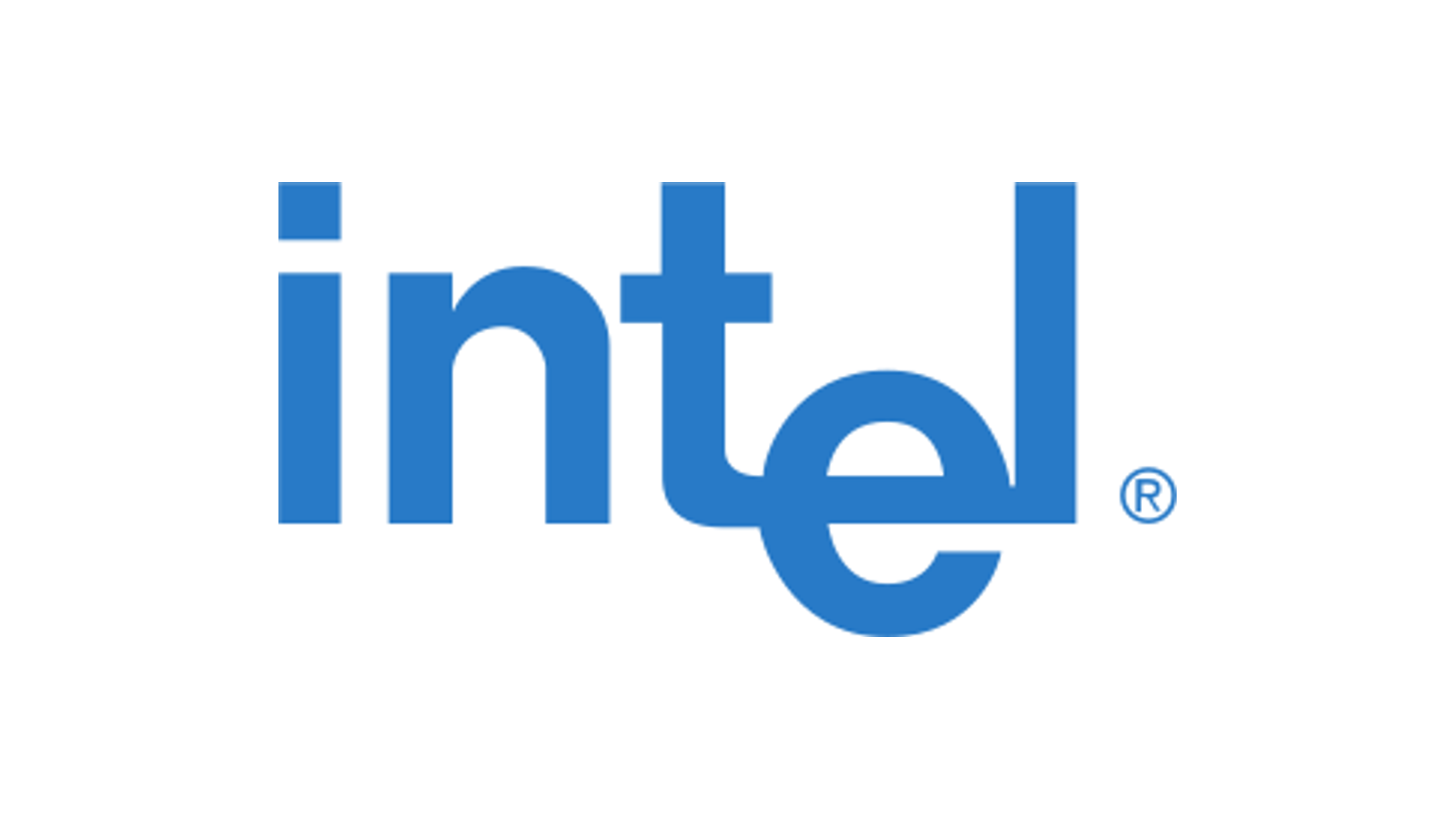
The dropped-e wordmark established Intel as shorthand for integrated electronics. source

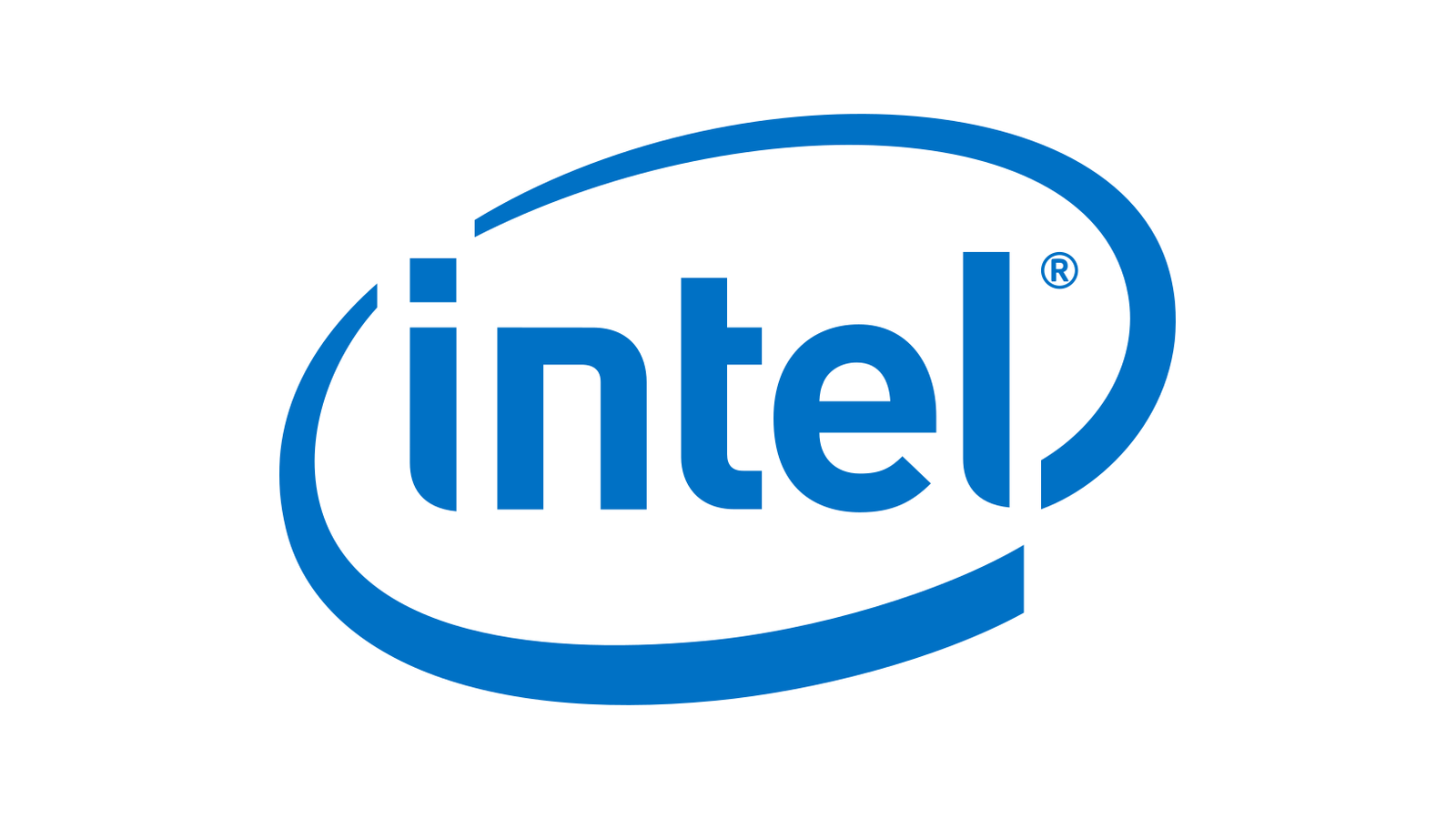
The 2006 orbit mark unified the corporate identity as Intel broadened from components to platforms. source
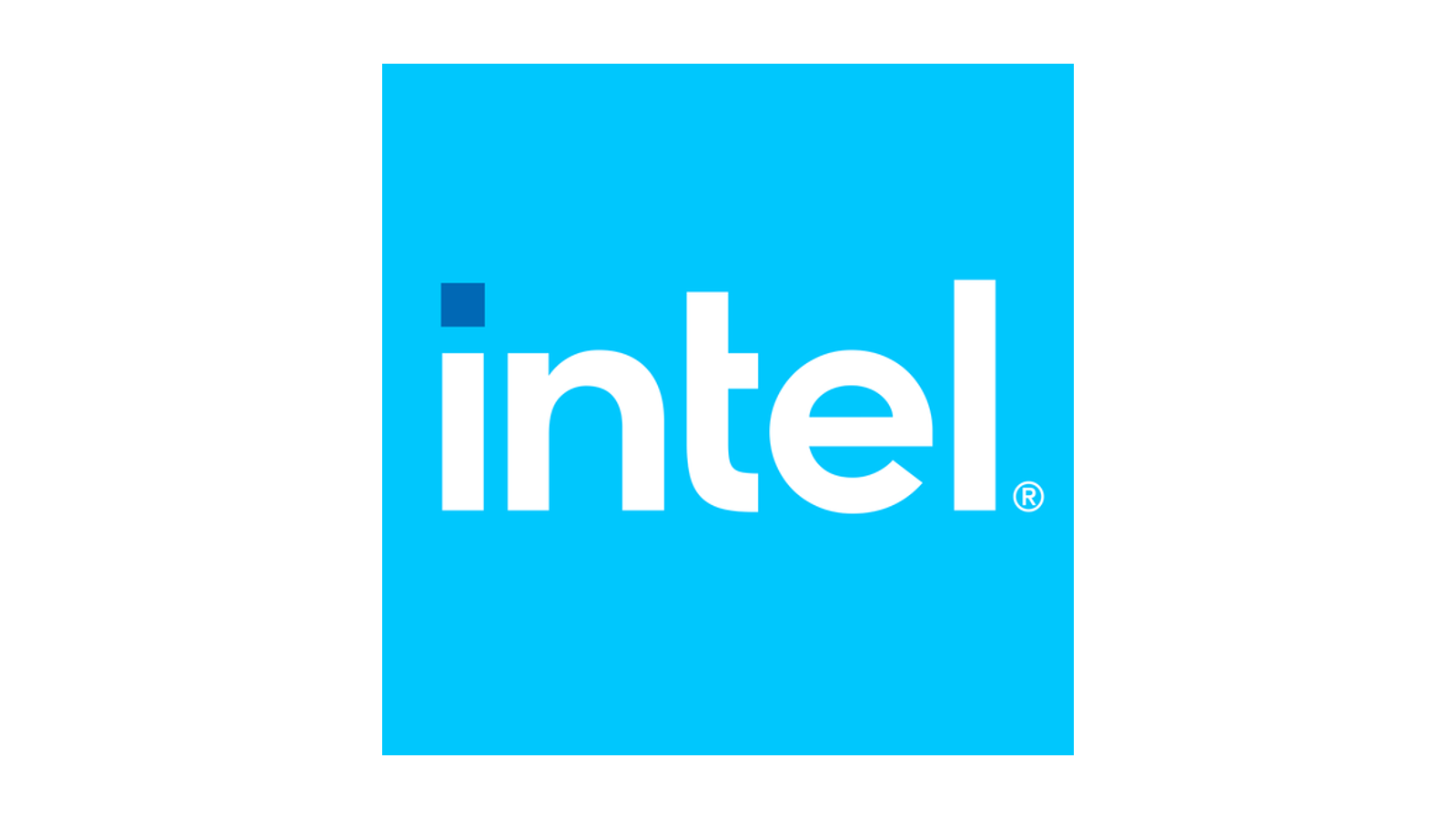
The 2020 identity returns to a direct lowercase wordmark for a wider silicon, foundry, and systems company. source
Product and service lineage.
Intel only reads correctly when PC processors, server processors, AI, foundry, fabs, process technology, packaging, graphics, edge, and software proof stay visible.
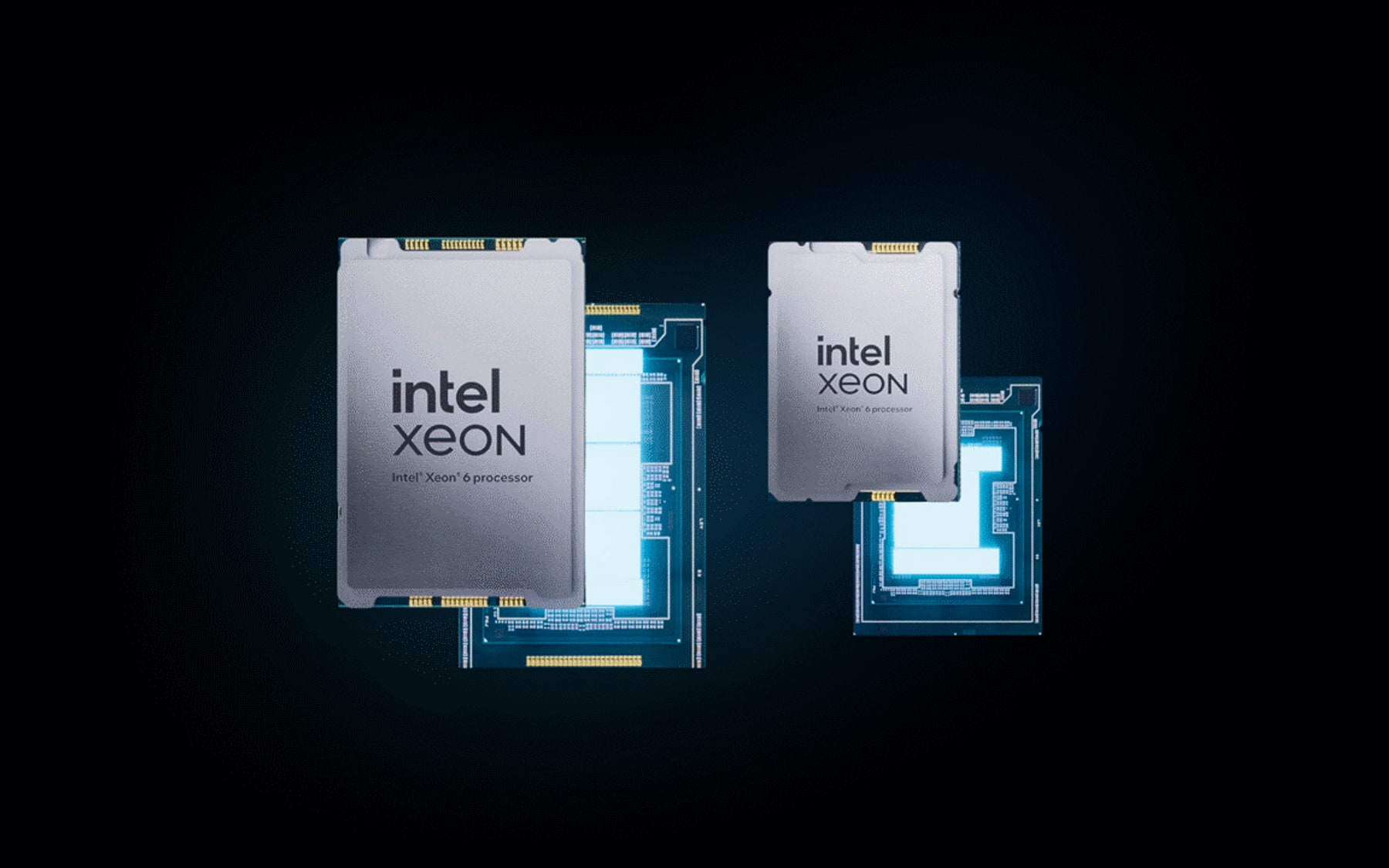
Xeon carries data-center proof
Server CPUs, AI inference, database workloads, and enterprise reliability make Intel more than a PC-chip memory.
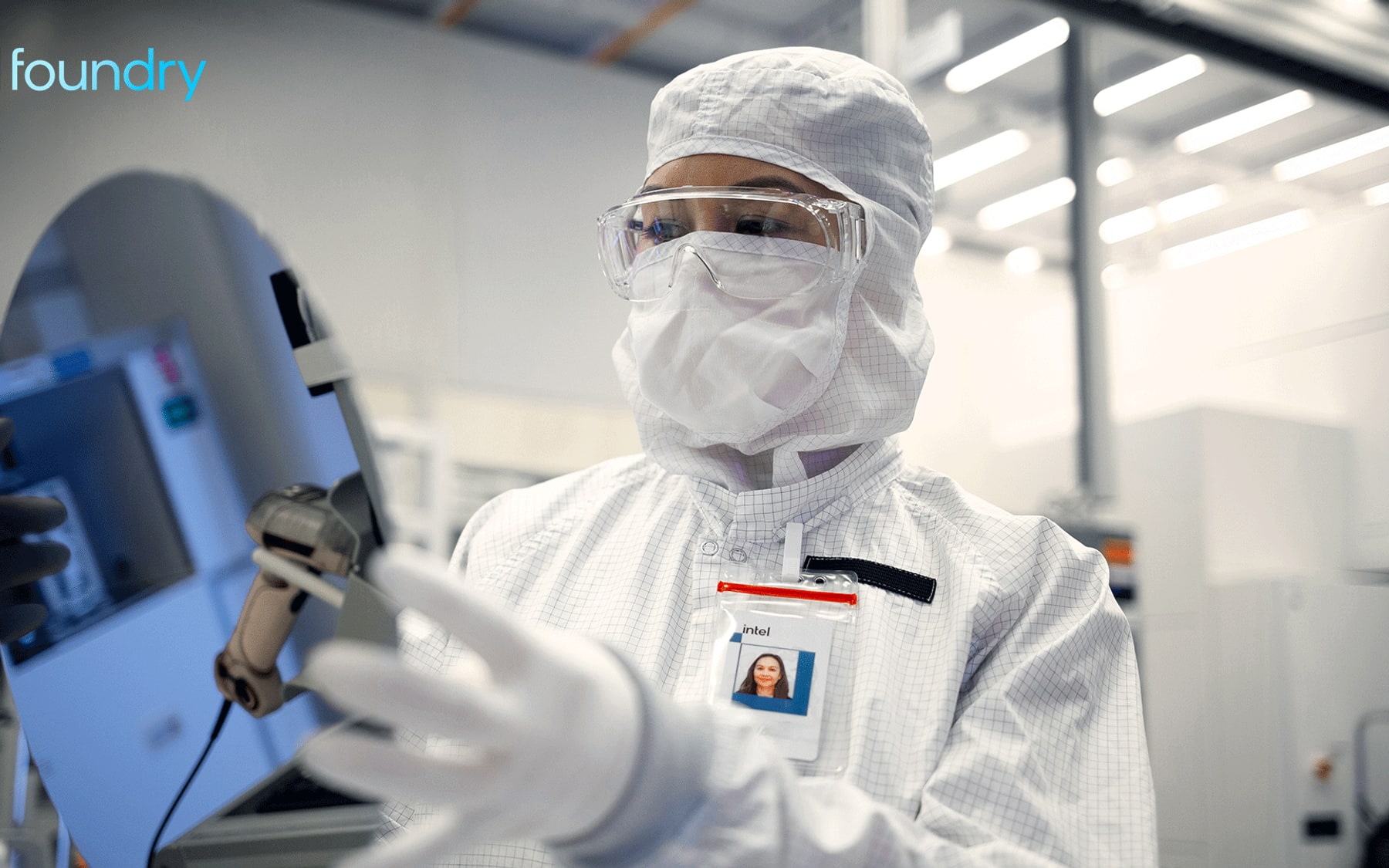
Foundry makes the promise physical
Fabs, packaging, process nodes, and customer manufacturing discipline are the evidence points behind the logo.
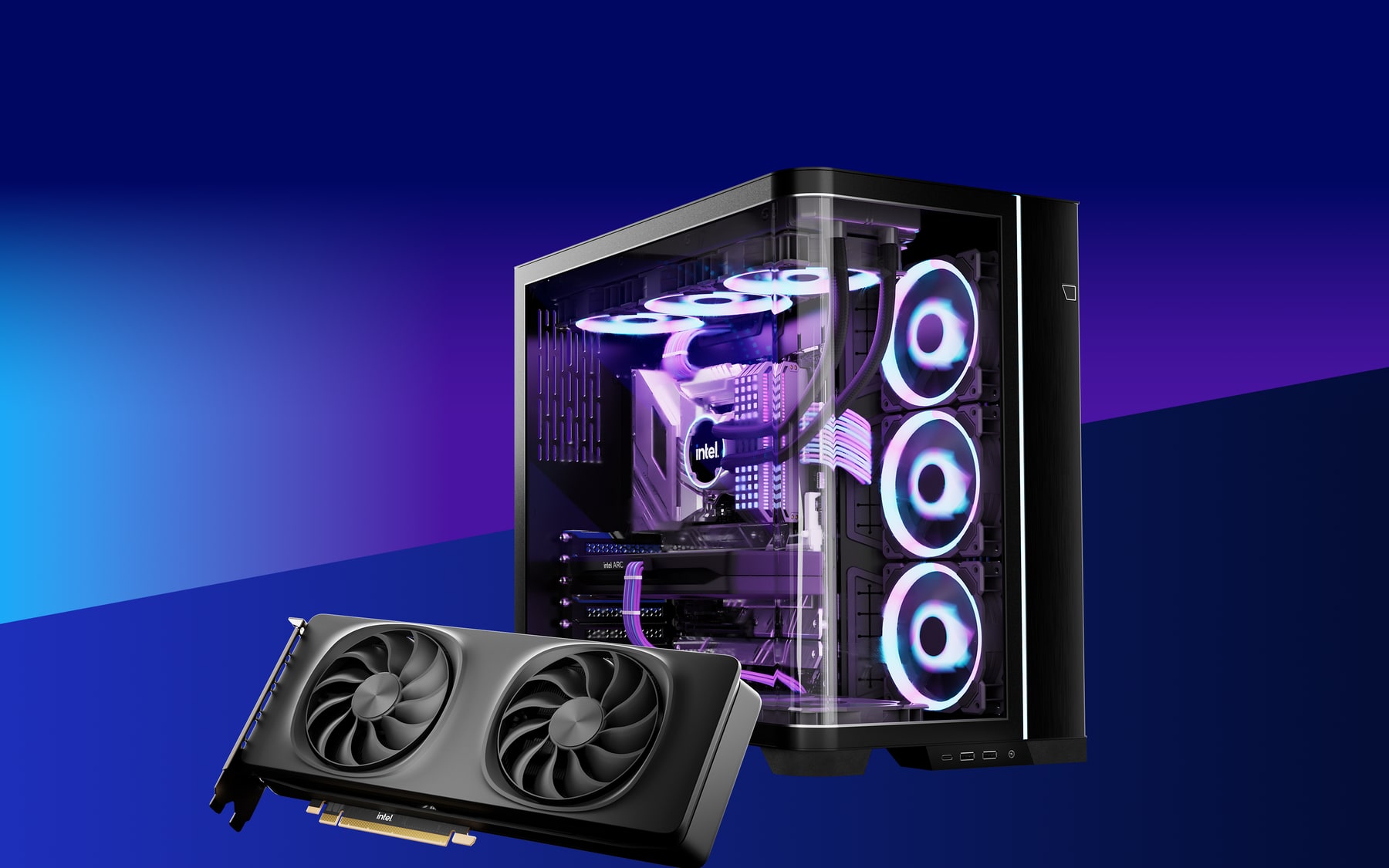
Arc stretches the graphics lane
Discrete graphics, creator PCs, gaming, and AI acceleration show the brand trying to widen beyond CPU shorthand.

AI needs silicon-to-system proof
AI PCs, Xeon, accelerators, edge, software, and foundry claims only work when tied to silicon and workload proof.
Product and service system
Core, vPro, AI PC, laptop, desktop, and OEM ecosystem memory carry the consumer and enterprise PC lane.
Xeon, accelerators, networking, software, and workload claims carry server and AI proof.
Fabs, process nodes, advanced packaging, external customers and the August 2026 pricing of a USD 20B offering with about USD 19.7B in expected net proceeds make the foundry bet physical and financially visible.
High-NA EUV, wafers, packaging, and fabs are trust surfaces, not background operations.
Graphics gives Intel a visible creator, gaming, and GPU competition lane.
Edge, connectivity, and industrial compute widen the system beyond PCs and servers.
Turning points.
Events that changed what buyers could see, buy, repeat, or trust.
Intel exits DRAM focus and shifts decisively toward microprocessors.
Intel Inside turns the hidden chip into a consumer-facing ingredient brand.
Pentium becomes a public processor name.
Intel prices an upsized USD 20B common-stock offering with expected net proceeds of about USD 19.7B for general corporate purposes, which may include capital expenditures and working capital.
Public reaction.
The useful reaction is about trust and pressure, not sentiment counts.
Intel wins when buyers see reliability, compatibility, fabs, roadmap discipline, and workload proof.
Intel loses trust when processor memory feels older than competitive performance, node execution, or AI proof.
Full timeline.
Robert Noyce and Gordon Moore found Intel.
Intel introduces the 4004 microprocessor.
The 8086 processor establishes x86 architecture memory.
Intel exits DRAM focus and shifts decisively toward microprocessors.
Intel Inside turns the hidden chip into a consumer-facing ingredient brand.
Pentium becomes a public processor name.
Xeon creates a server and workstation processor lane.
Core architecture refreshes the PC-performance story.
Mobileye acquisition adds automotive and vision-system context.
IDM 2.0 and Intel Foundry Services put manufacturing strategy back at the center.
Arc graphics launches as a visible discrete-GPU lane.
Foundry reporting and process-roadmap pressure make execution the brand test.
FY2025 results show scale, loss pressure, and the need for visible turnaround proof.
Intel prices an upsized USD 20 billion common-stock offering with expected net proceeds of about USD 19.7 billion.
Steal / avoid.
- Turn an invisible component into a visible buyer cue.
- Use badges to make technical differences understandable at shelf and procurement level.
- Show manufacturing proof when the product is too small to inspect.
- Separate PC, server, foundry, AI, graphics, and edge lanes so one weak memory does not flatten the system.
- Do not reduce Intel to old PC chips.
- Do not hide Xeon, Core, foundry, fabs, AI, Arc graphics, edge, software, and process-roadmap execution.
- Do not use fake chip diagrams or invented processor badges.
- Do not let nostalgia replace performance proof.
Short answer.
Intel should be read as a silicon trust system. Intel Inside and Core carry PC memory, but the August 2026 pricing of a USD 20 billion offering with about USD 19.7 billion in expected net proceeds puts the current proof burden on foundry customers, fabs, process technology, packaging and manufacturing execution.
Frequently asked questions
What is Intel's core brand signal?
Intel turns silicon trust into PC, data-center, AI, and foundry proof.
Why not describe Intel as one product?
Because Intel spans client processors, Xeon, data-center AI, foundry services, fabs, packaging, Arc graphics, edge, and software; calling it a PC-chip product hides the manufacturing system.
What should another brand steal from Intel?
Turn an invisible component into a visible buyer cue.
Need help with your own brand?
Use Private brand work when your name, identity, proof, or message needs a sharper branding decision.
Sources.
Use the education shelf for the concepts behind this brand page.
Private brand workIf your brand must connect component products, manufacturing capability, enterprise platforms, and software, Private Brand Work can define which proof belongs to each buyer.
All brandsReturn to every brand page.
- https://www.sec.gov/Archives/edgar/data/50863/000005086326000011/intc-20251227.htm
- https://www.intel.com/content/www/us/en/homepage.html
- https://www.intel.com/content/www/us/en/company-overview/company-overview.html
- https://www.intel.com/content/www/us/en/history/virtual-vault/articles/the-intel-4004.html
- https://www.intel.com/content/www/us/en/products/details/processors/xeon.html
- https://www.intel.com/content/www/us/en/products/details/processors/core.html
- https://www.intel.com/content/www/us/en/foundry/overview.html
- https://www.intel.com/content/www/us/en/products/details/discrete-gpus/arc.html
- https://www.intel.com/content/www/us/en/artificial-intelligence/overview.html
- https://www.intc.com/news-events/press-releases/detail/1779/intel-announces-upsize-and-pricing-of-20-billion-common
- https://www.axios.com/2026/08/11/intel-stock-chips-ai
- https://companiesmarketcap.com/intel/marketcap/