Honda · Grow Your Brand · Reliability and mobility system · Japan / Active
Honda
Honda turns engines, cars, motorcycles, dealers, and financing into everyday trust. A brand page on Honda as a daily mobility system: Civic, Accord, CR-V, motorcycles, Super Cub memory, racing proof, financial services, power products, dealers, and the repair-and-resale trust that small businesses and families understand.
Positioning, name, and architecture.
Three evidence checks before the page talks about scale, color, or public reaction.
Honda turns engines, cars, motorcycles, dealers, and financing into everyday trust.
A brand page on Honda as a daily mobility system: Civic, Accord, CR-V, motorcycles, Super Cub memory, racing proof, financial services, power products, dealers, and the repair-and-resale trust that small businesses and families understand.
Honda operates as the parent/company mark for a wider system.
No verified current company-wide tagline; Honda is read through automobiles, motorcycles, engines, racing, dealers, service, and reliability.
company system / portfolio architecture
Automobiles: Civic, Accord, CR-V, hybrids, EV transition, service, resale, and dealer proof keep Honda in daily family and business use. Motorcycles: Motorcycles are not a side note; they are a large revenue segment and a key origin of Honda's global reliability memory. Super Cub and small-engine trust: The Super Cub shows why practical mobility can become mythology without luxury language. Financial services: Financing and leasing make the brand a purchase system, not just a machine. Power products and engines: Generators, lawn equipment, marine, and small engines extend Honda trust into work sites and home use. Dealer and service network: For ordinary buyers, the dealer and repair path decide whether the reliability promise feels real.
Civic, Accord, CR-V, hybrids, EV transition, service, resale, and dealer proof keep Honda in daily family and business use.
Portfolio family: Automobiles source
Motorcycles are not a side note; they are a large revenue segment and a key origin of Honda's global reliability memory.
Portfolio family: Motorcycles source
The Super Cub shows why practical mobility can become mythology without luxury language.
Portfolio family: Super Cub and small-engine trust source
Financing and leasing make the brand a purchase system, not just a machine.
Portfolio family: Financial services source
Generators, lawn equipment, marine, and small engines extend Honda trust into work sites and home use.
Portfolio family: Power products and engines source
For ordinary buyers, the dealer and repair path decide whether the reliability promise feels real.
Portfolio family: Dealer and service network source
Naming and tagline progression
Honda Motor Co. is founded in Japan.
Honda begins motorcycle production with the Dream D-Type.
The Super Cub launches and turns small-engine practicality into a global Honda cue.
Market and scale snapshot.
Honda's latest revenue and earnings show the scale behind automobiles, motorcycles, financial services, power products, racing, and a global dealer-service network.
Consolidated sales revenue for the fiscal year ended 31 March 2026.
FY2026 operating loss; Honda also reported a loss attributable to owners of the parent.
Honda Motor Co., Ltd. total assets at 31 March 2026.
Honda Motor Co., Ltd. is listed in Tokyo under 7267; its American depositary shares trade in New York under HMC.
Color system.
Honda red anchors the company and racing signal while black, silver, and white make room for cars, motorcycles, engines, dealers, and service proof.
How the palette behaves
Red carries the Honda wordmark and performance memory across cars, motorcycles, and racing.
Black keeps engineering and dealer communication direct beside the stronger red cue.
Silver-gray supports mechanical, engine, motorcycle, and vehicle proof without turning the page into a dashboard.
Recognition assets.
Memory pieces the brand can use before someone finishes a sentence.
The red mark feels mechanical, direct, and practical.
Model names carry reliability memory for families and small businesses.
Motorcycle heritage keeps engineering proof visible outside cars.
The sign matters because trust is tested through service and ownership, not only advertising.
Scores.
Use these scores to compare recognition, trust, proof, pressure, and risk.
The name and red wordmark are immediate across cars and motorcycles.
Commutes, deliveries, repairs, family use, and resale make the brand practical.
Cars, motorcycles, finance, and power products need separation.
The FY2026 negative segment-profit total shows why reliability has to meet transition economics.
Fuel use, service access, parts, repair frequency, and resale decide whether the reliability promise survives ownership.
The Super Cub and global motorcycle scale give Honda an origin and reach that a car-only reading misses.
Dealer service, parts supply, financing, and used-vehicle support carry the promise after the sale.
Honda competes through practical engineering across cars, motorcycles, engines, and power equipment rather than one prestige tier.
How the logo changed.
Honda's masterbrand wordmark changed in 1965 and 2001. The automobile H and motorcycle Wing remain business marks, not substitutes for the corporate-logo chronology.

Product and service lineage.
Honda only reads correctly when cars, motorcycles, Super Cub memory, racing, financial services, power products, dealers, service, resale, and ownership cost stay visible together.
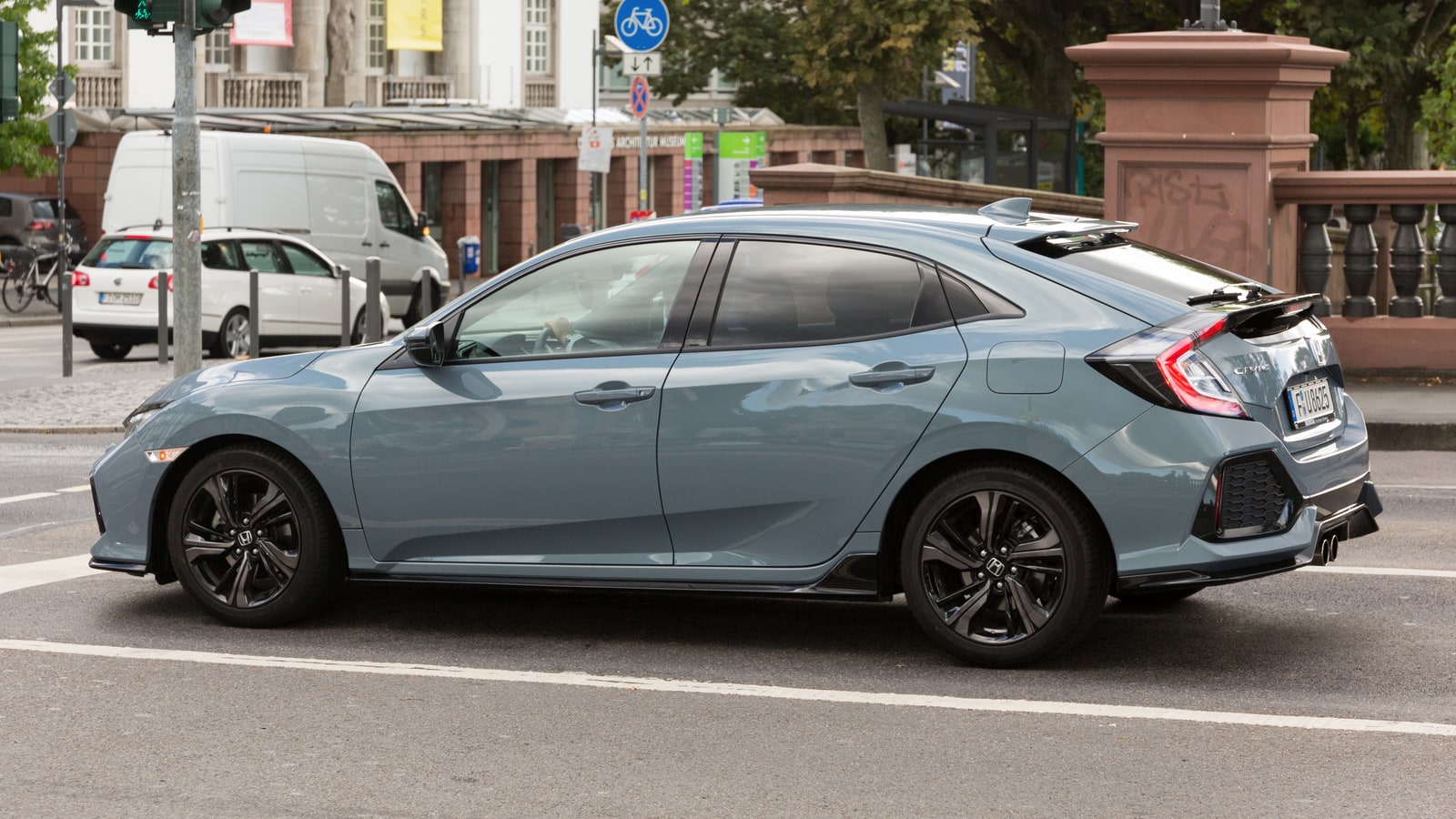
Civic makes reliability visible
Cars keep Honda close to daily life: commute, resale, repair, family use, and the feeling that the machine will keep working.
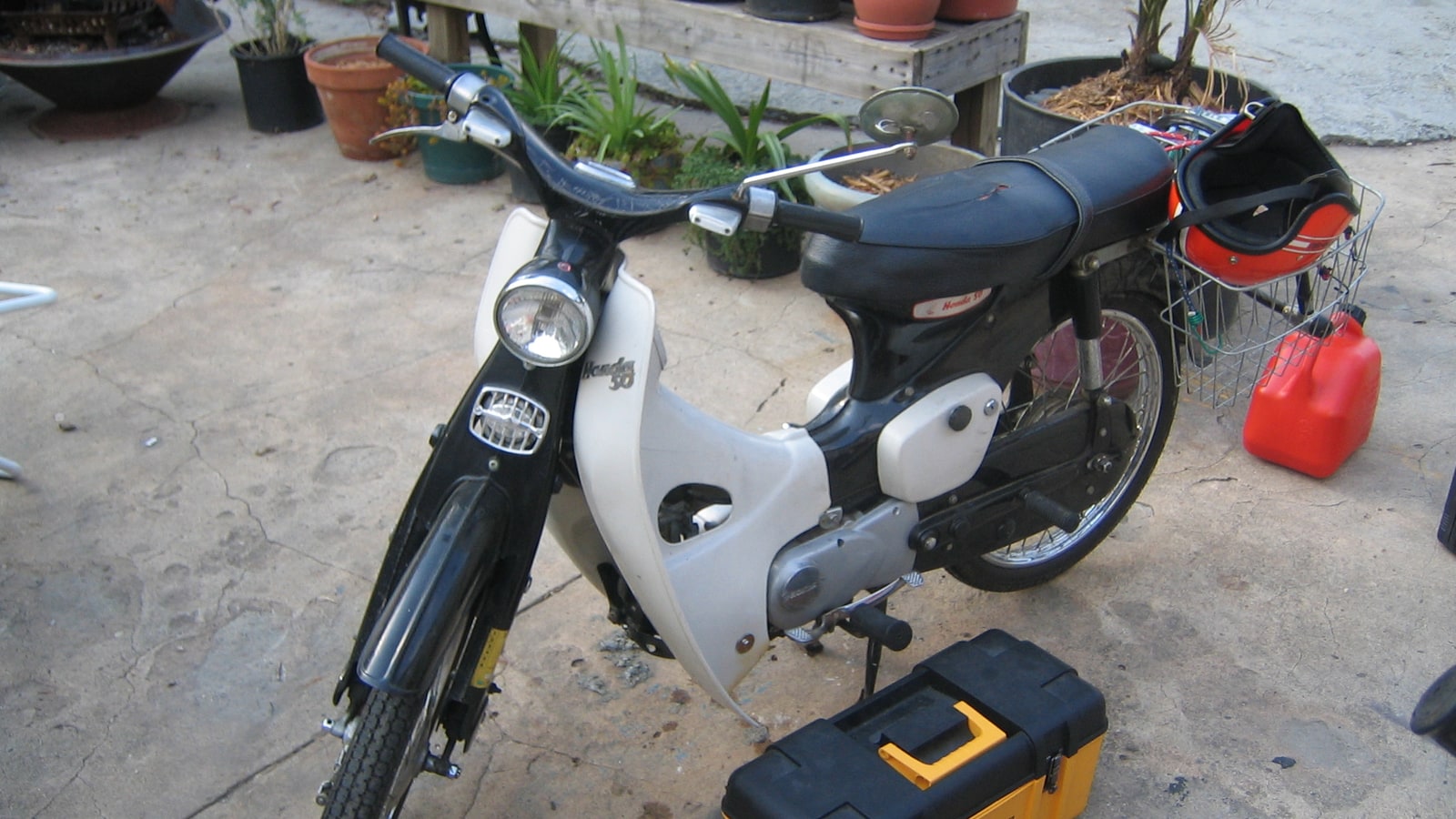
Super Cub is practical mythology
The motorcycle side matters because Honda became a global trust cue through small engines before many buyers met the cars.
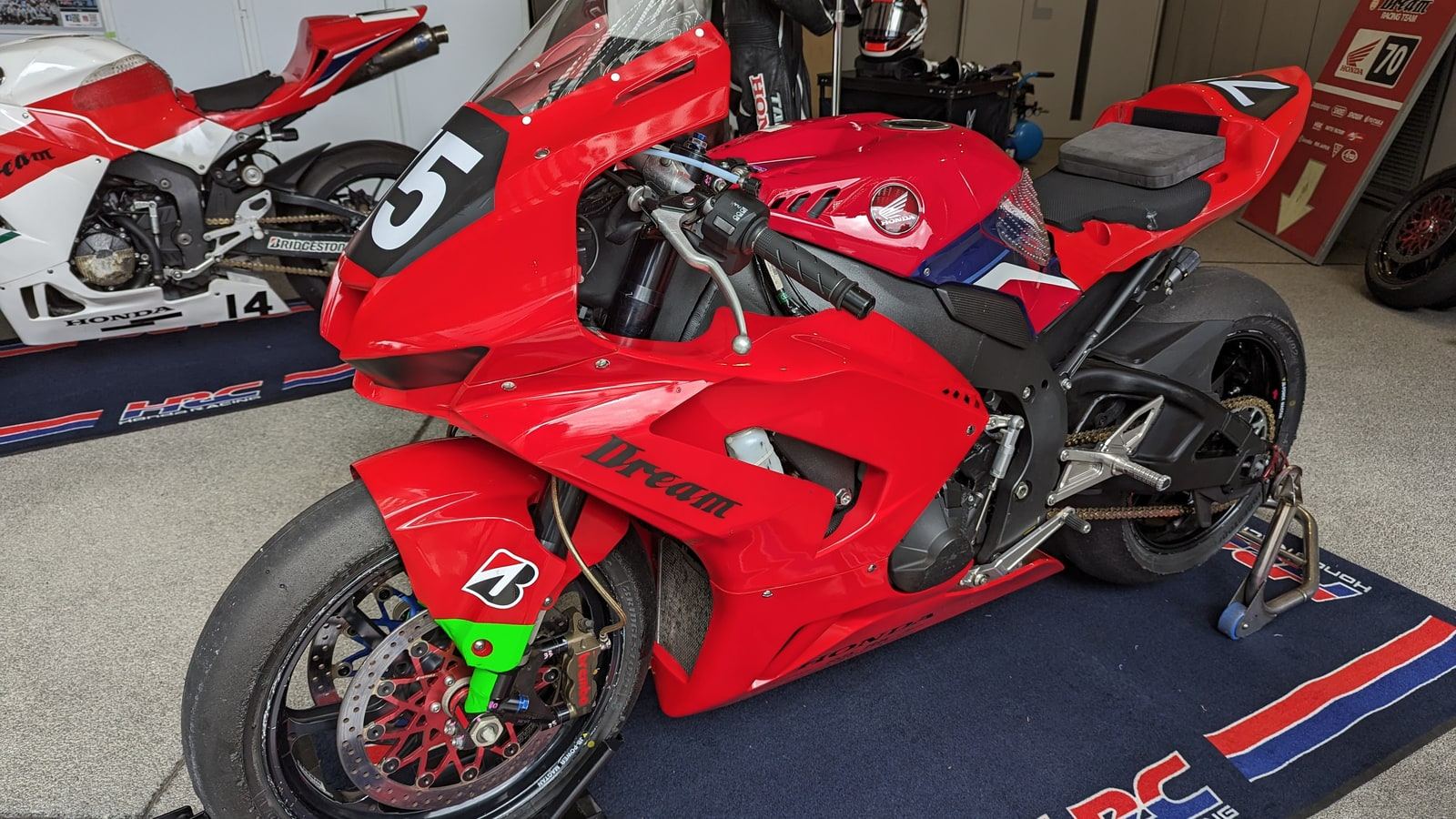
Racing sharpens engineering proof
Racing does not sell every bike or car directly, but it gives the engineering story a public stress test.
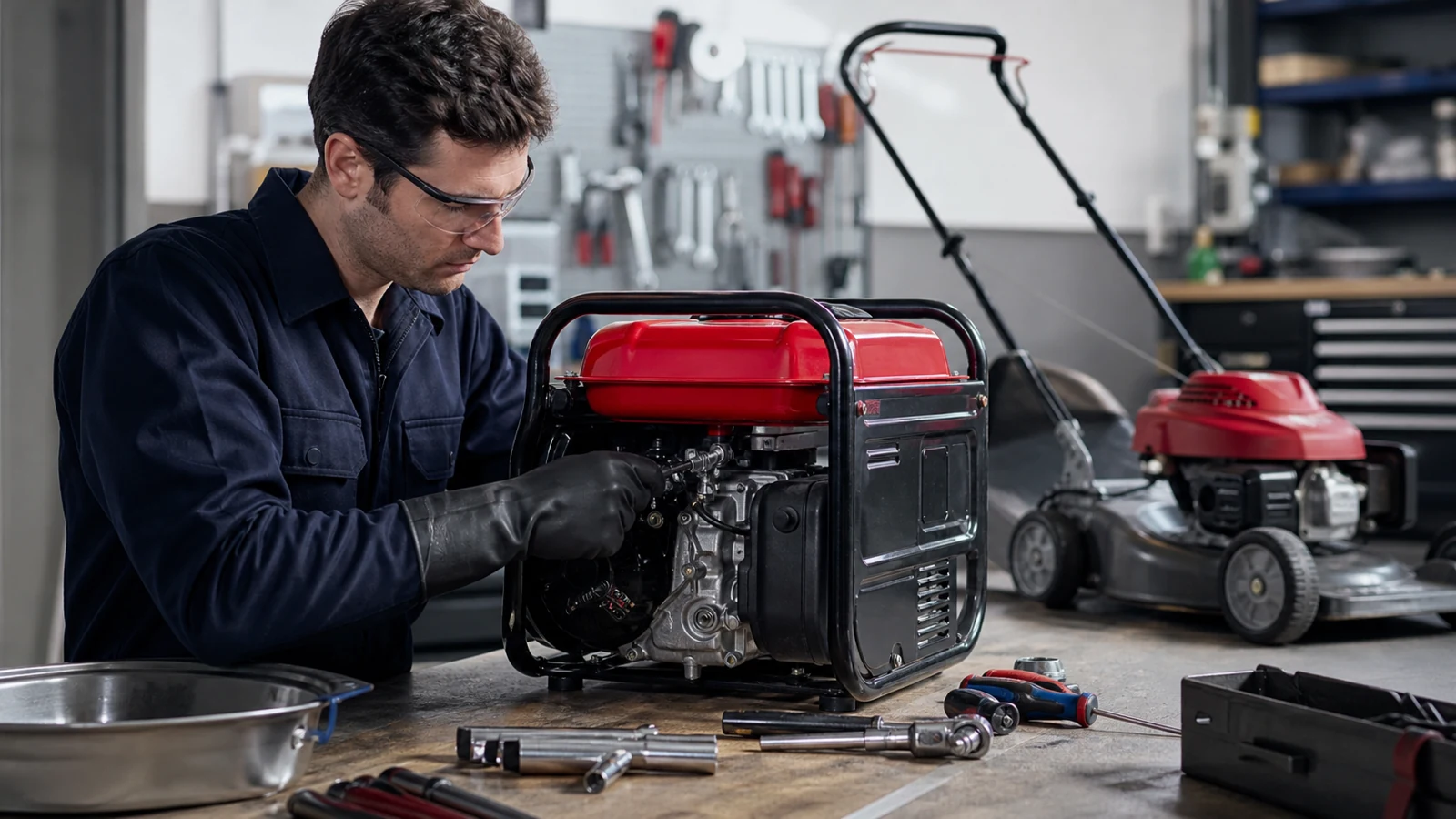
Power equipment extends the trust system
Generators, mowers, and small engines show how Honda carries reliability beyond cars and motorcycles.
Product and service system
Civic, Accord, CR-V, hybrids, EV transition, service, resale, and dealer proof keep Honda in daily family and business use.
Motorcycles are not a side note; they are a large revenue segment and a key origin of Honda's global reliability memory.
The Super Cub shows why practical mobility can become mythology without luxury language.
Financing and leasing make the brand a purchase system, not just a machine.
Generators, lawn equipment, marine, and small engines extend Honda trust into work sites and home use.
For ordinary buyers, the dealer and repair path decide whether the reliability promise feels real.
Turning points.
Events that changed what buyers could see, buy, repeat, or trust.
Honda enters automobile production, adding cars to the motorcycle-engineering base.
The Civic launches and becomes a long-running compact-car trust signal.
The Accord launches and expands Honda's family-car memory.
Public reaction.
The useful reaction is about trust and pressure, not sentiment counts.
Buyers believe Honda when the product, service, ownership cost, resale, and dealer experience match the reliability story.
The brand weakens when transition losses, recalls, dealer friction, or model confusion make practical trust harder to feel.
Full timeline.
Honda Motor Co. is founded in Japan.
Honda begins motorcycle production with the Dream D-Type.
The Super Cub launches and turns small-engine practicality into a global Honda cue.
Honda enters automobile production, adding cars to the motorcycle-engineering base.
The Civic launches and becomes a long-running compact-car trust signal.
The Accord launches and expands Honda's family-car memory.
Acura launches in the United States, adding a premium lane to Honda architecture.
The CR-V becomes a core crossover/SUV memory surface in major markets.
The Insight hybrid brings fuel-efficiency engineering into the public story.
HondaJet delivery begins, showing the mobility ambition can stretch beyond road vehicles.
Honda reports FY2026 segment results across automobiles, motorcycles, financial services, and power products.
Steal / avoid.
- Make reliability visible in the product people actually use every day.
- Let service and resale carry the brand, not only launch advertising.
- Keep older product memory alive when it still explains trust.
- Do not call Honda only a car brand.
- Do not bury motorcycles, Super Cub, finance, dealers, and power products.
- Do not confuse Acura with the Honda parent mark.
Short answer.
Honda is useful for founders because it shows how trust compounds through ordinary ownership. The brand is not a slogan about reliability; it is cars, motorcycles, Super Cub memory, finance, dealer service, parts, resale, power products, and products that keep working.
Frequently asked questions
What is Honda's core brand signal?
Honda turns engines, cars, motorcycles, dealers, and financing into everyday trust.
Why not describe Honda as one product?
Because motorcycles built Honda's global engineering reputation, while cars, finance, dealers, power products, marine engines, and HondaJet serve different buying jobs.
What should another brand steal from Honda?
Make reliability visible in the product people actually use every day.
Need help with your own brand?
Use Private brand work when your name, identity, proof, or message needs a sharper branding decision.
Sources.
Use the education shelf for the concepts behind this brand page.
Private brand workIf one company name covers cars, motorcycles, engines, finance, racing, and service, Private Brand Work can separate the category promises while preserving the shared engineering reputation.
All brandsReturn to every brand page.
- https://global.honda/en/investors/library/filings/auto_20260514532752/pdfFile.pdf
- https://global.honda/en/about/history-digest/75years-history/pdf/chapter_all.pdf
- https://global.honda/en/investors/library/documents.html
- https://frankfurter.dev/
- https://global.honda/en/
- https://automobiles.honda.com/
- https://powersports.honda.com/
- https://honda.americanhondafinance.com/s/
- https://powerequipment.honda.com/
- https://global.honda/en/
- https://commons.wikimedia.org/wiki/File:HONDA_Bike_Shop.jpg
- https://commons.wikimedia.org/wiki/File:Honda_Civic_(1Y7A1724).jpg
- https://commons.wikimedia.org/wiki/File:Honda_SuperCub_C100.jpg

.jpg)