Disney · Grow Your Brand · IP and experience portfolio system · United States / Active
Disney
Disney turns characters, stories, parks, sports, and streaming into one memory machine. A brand page on Disney as a parent-company system: Walt Disney Studios, Disney Animation, Pixar, Marvel, Lucasfilm, Star Wars, Disney+, Hulu, ESPN, ABC, parks, cruise, resorts, licensing, and consumer products.
Positioning, name, and architecture.
Three evidence checks before the page talks about scale, color, or public reaction.
Disney turns characters, stories, parks, sports, and streaming into one memory machine.
A brand page on Disney as a parent-company system: Walt Disney Studios, Disney Animation, Pixar, Marvel, Lucasfilm, Star Wars, Disney+, Hulu, ESPN, ABC, parks, cruise, resorts, licensing, and consumer products.
Disney is the founders’ surname. Walt and Roy Disney began the company on 16 October 1923 as Disney Brothers Cartoon Studio.
No single companywide tagline verified
Three core company segments with brands and assets inside each lane
Current company architecture uses Disney Entertainment, ESPN, and Disney Experiences. FY2025 reporting called the same financial lanes Entertainment, Sports, and Experiences. Entertainment includes film and television, Disney+, Hulu, ABC, content sales, licensing, games, Pixar, Marvel, Lucasfilm, and National Geographic. ESPN carries sports; Experiences covers parks, resorts, cruise, vacation club, consumer products, and licensing. Disney owns 100% of Hulu, 70% of the combined Fubo business tied to Hulu Live TV assets, and 90% of ESPN after the January 2026 NFL transaction.
Film, television, linear networks, Disney+, Hulu, content sales, licensing, games, Pixar, Marvel, Lucasfilm, and National Geographic.
Core segment: Entertainment source
Live sports, rights, networks, streaming, commentary, and schedule habit; Disney owns 90% after the 2026 NFL transaction.
Core segment: ESPN source
Parks, resorts, cruise, vacation club, consumer products, and licensing turn stories into places and physical memory.
Core segment: Experiences source
Naming and tagline progression
Disney Brothers Cartoon Studio establishes the family name as the company identity.
Mickey Mouse turns character ownership into a durable recognition system.
Walt Disney Productions becomes The Walt Disney Company as the enterprise broadens.
Market and scale snapshot.
Disney's Q3 FY2026 results show the franchise flywheel in motion: Toy Story 5 drove theatrical revenue, Disney+ engagement and merchandise demand, while parks independently posted stronger attendance and operating results.
Q3 FY2026 revenue increased 7% year over year.
Q3 FY2026 net income; adjusted EPS was USD 2.06, up 28% year over year.
Approximate Walt Disney Company market capitalization observed 10 Aug 2026.
Public parent company.
Color system.
Disney blue anchors castle and studio memory while gold marks theatrical and parks spectacle across Entertainment, ESPN, and Experiences.
How the palette behaves
Blue keeps the castle, company name, and family-entertainment memory connected.
Gold gives theatrical openings, parks, and premium experiences a separate celebration cue.
Black and white let characters, franchises, sports, and physical experiences keep their own visual worlds.
Recognition assets.
Memory pieces the brand can use before someone finishes a sentence.
The castle is the shorthand for wonder, place, and theatrical opening.
Mickey, princesses, Marvel heroes, Star Wars, and Pixar characters each carry separate recall paths.
The palette can feel cinematic without making the whole page childish.
A character is stronger when a family can meet it, ride it, buy it, and remember it.
Scores.
Use these scores to compare recognition, trust, proof, pressure, and risk.
Disney is one of the clearest global family-entertainment signals.
The card has to separate studios, IP, parks, sports, and streaming.
Parks and cruise make the story physical.
Franchise fatigue, pricing, and streaming economics raise scrutiny.
Disney only stays legible when the page separates studio craft, character IP, parks, sports, streaming, cruise, licensing, and consumer products before drawing the brand lesson.
Disney needs parent, product, service, and history lanes labeled cleanly so search systems do not flatten the brand into one vague entity.
Disney turns characters, stories, parks, sports, and streaming into one memory machine.
Parks, studio releases, streaming, sports, cruise, licensing, and products each prove a different part of Disney's entertainment authority.
How the logo changed.
Official Disney history shows the company name moving from Disney Brothers Studio to Walt Disney Studio and finally the current Walt Disney Company wordmark.
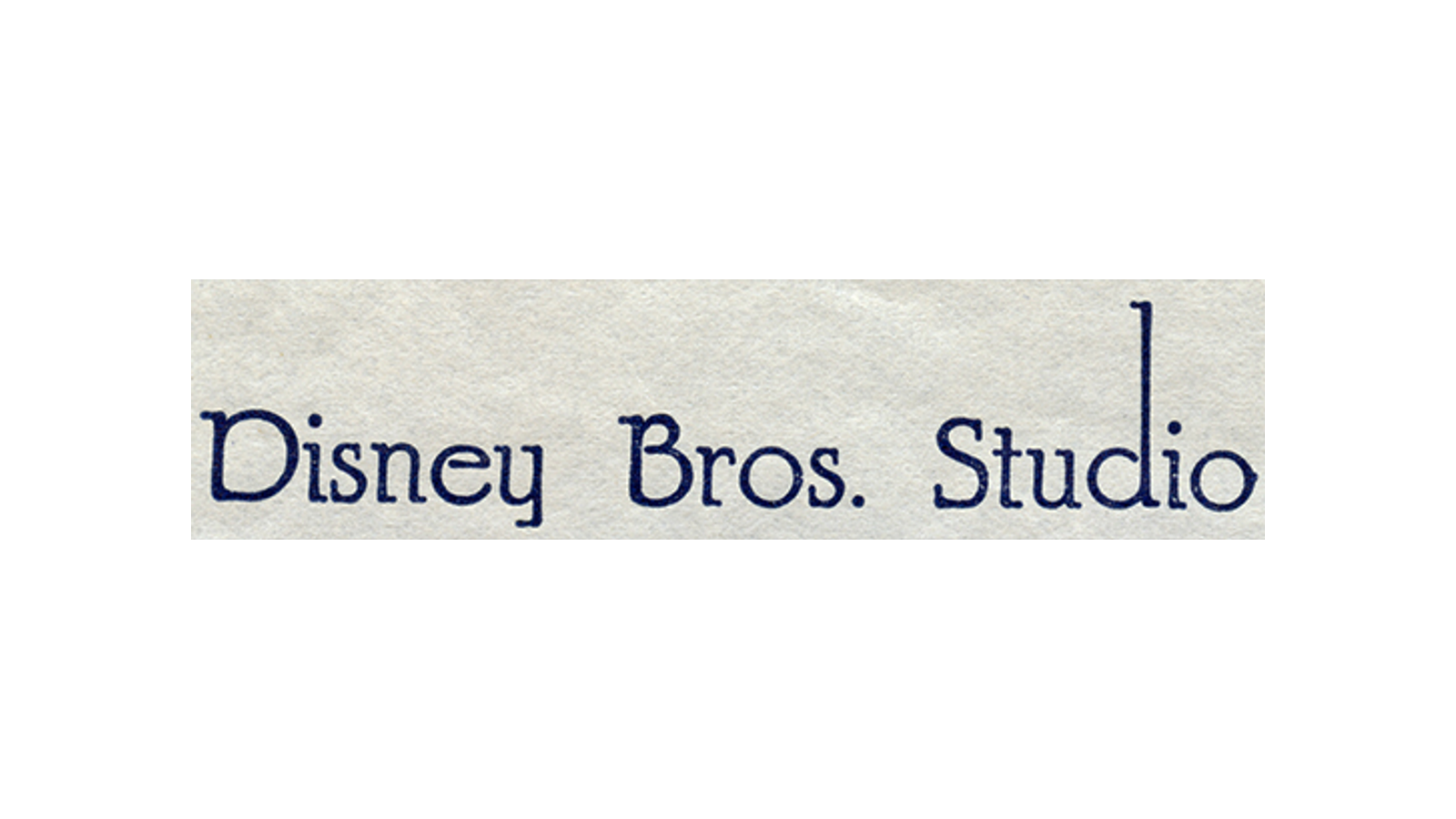
The founding letterhead puts the Disney family name at the center of the original studio. source
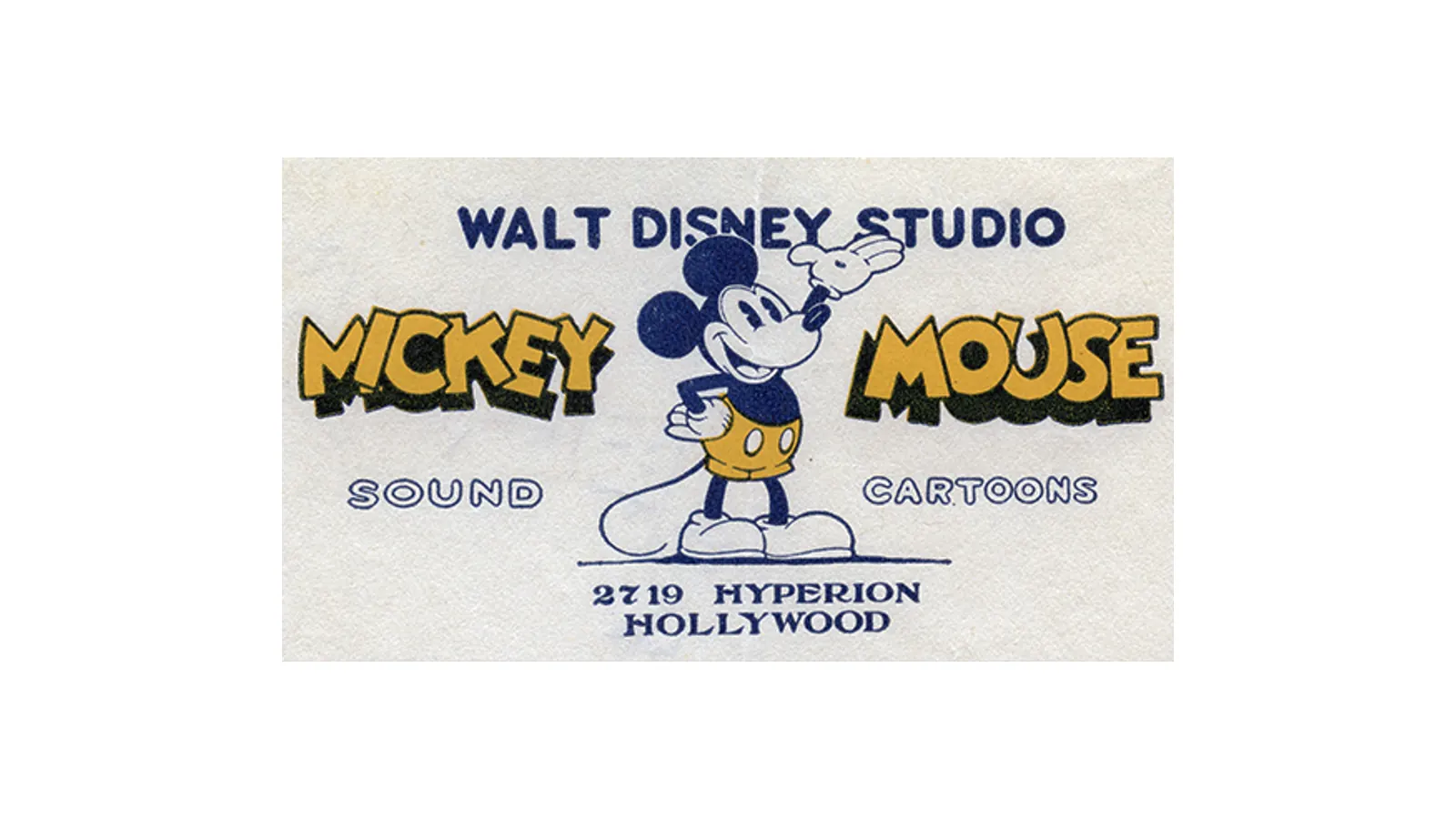
The Walt Disney Studio identity joins the founder name to Mickey Mouse and the Hollywood production system. source
The current corporate wordmark uses the Walt Disney signature lineage to carry the full company system. source

Product and service lineage.
Disney only stays legible when the page separates studio craft, character IP, parks, sports, streaming, cruise, licensing, and consumer products before drawing the brand lesson.
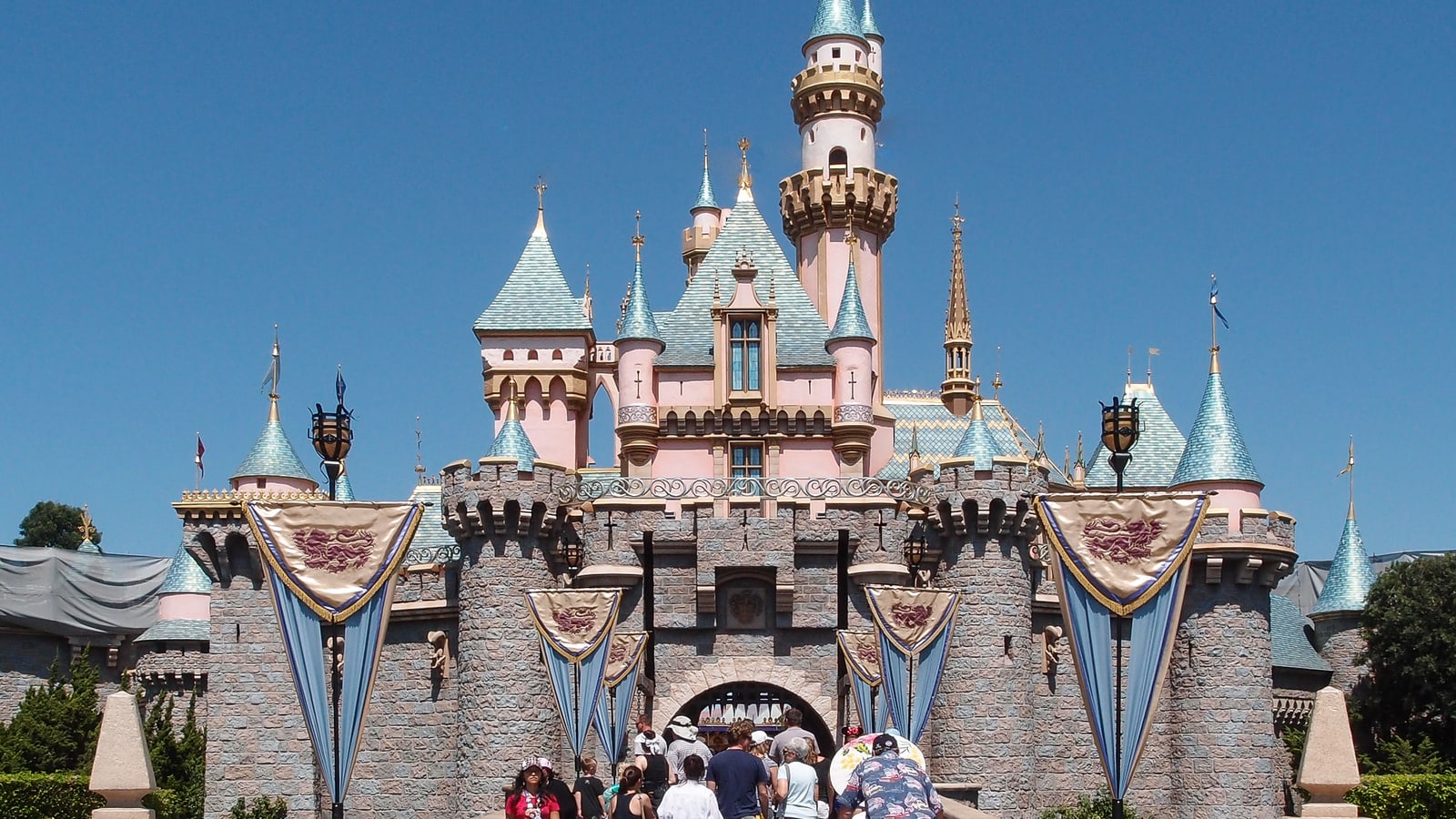
Parks make IP physical
The castle turns characters and stories into a paid place people travel to, repeat, and photograph.
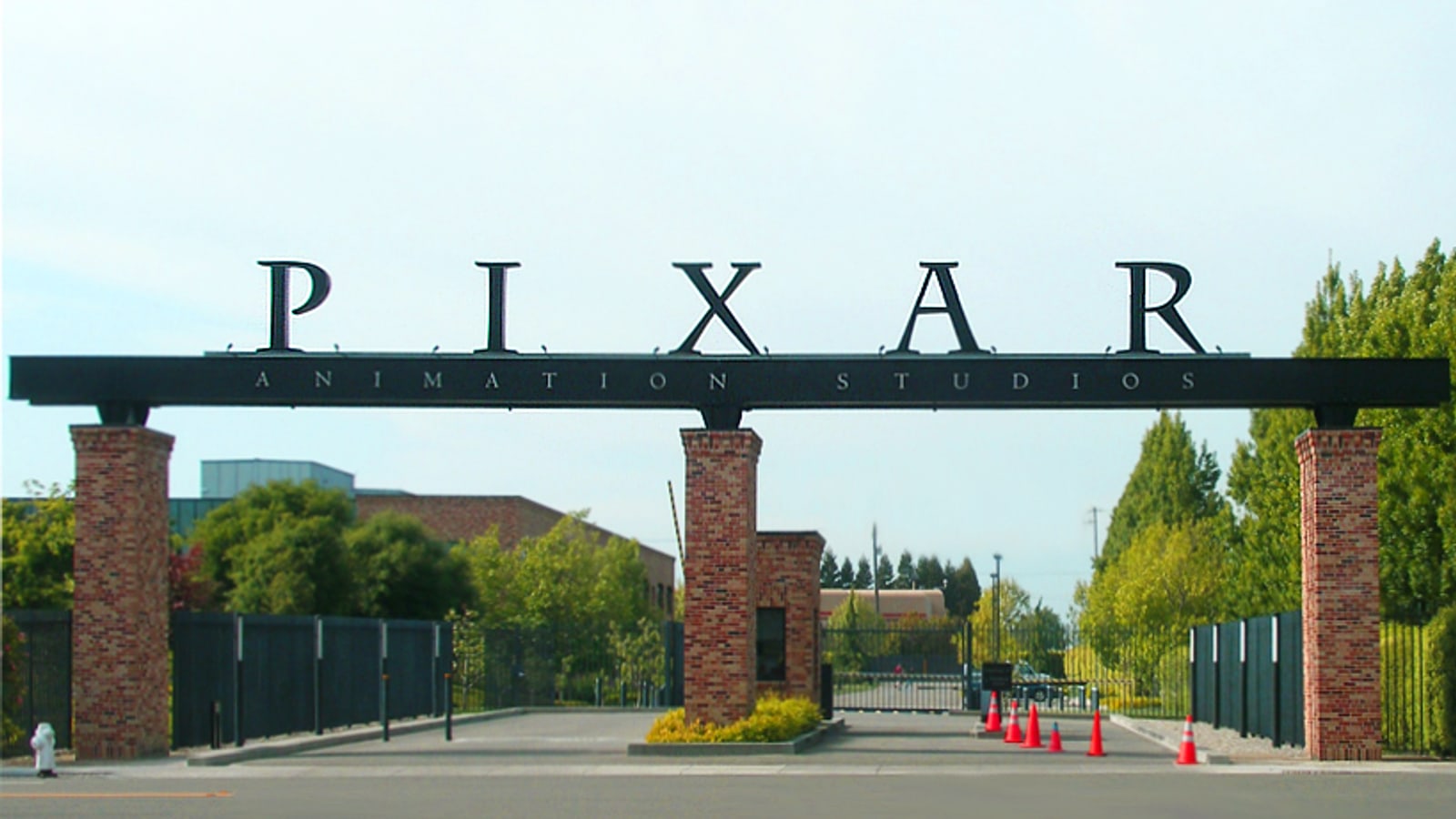
Pixar keeps the animation lane modern
Pixar gives Disney a separate animation trust surface with its own memory, craft, and audience expectation.
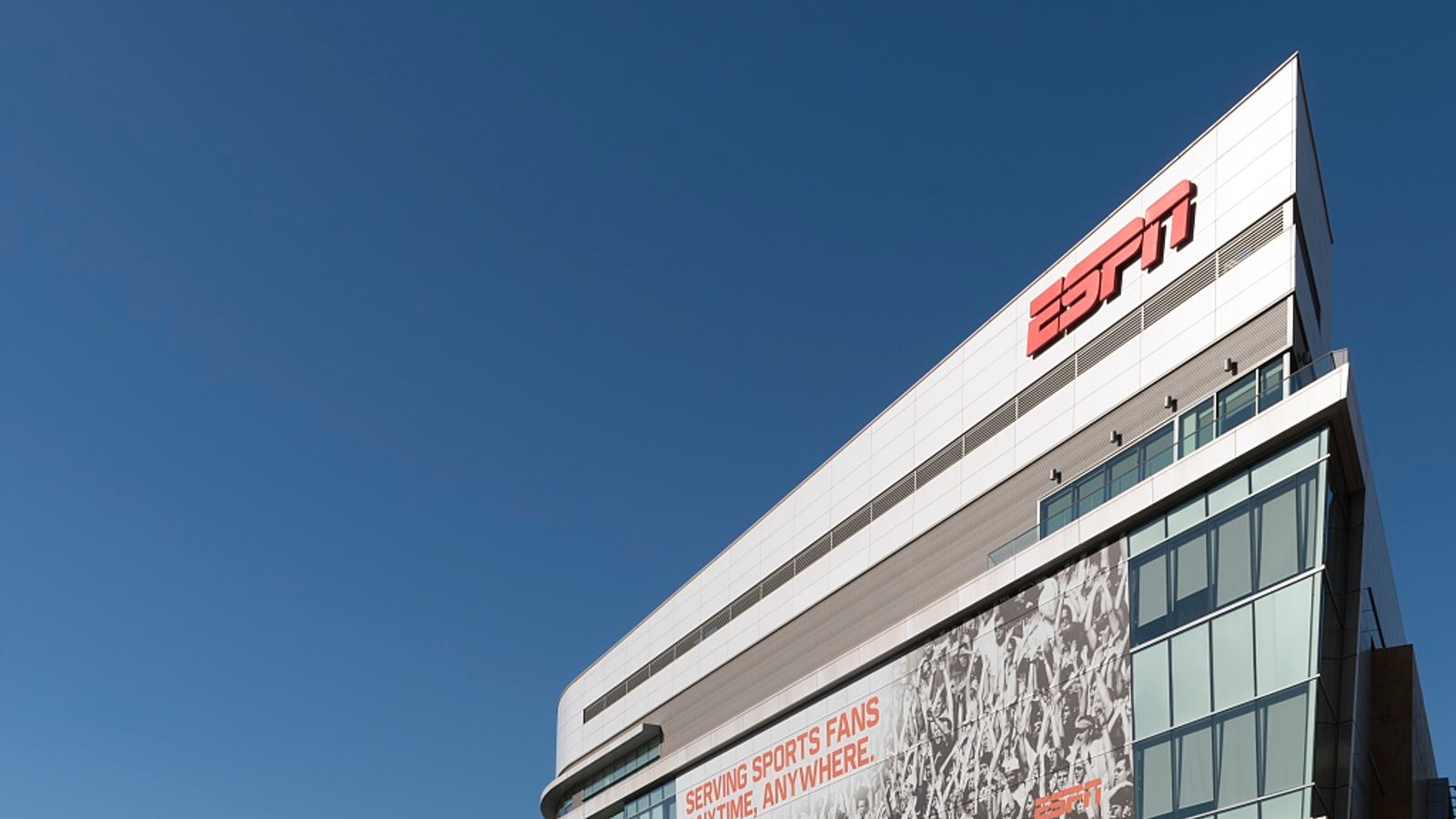
ESPN adds live sports gravity
Sports changes the company from evergreen stories into daily rights, schedules, and live audience behavior.
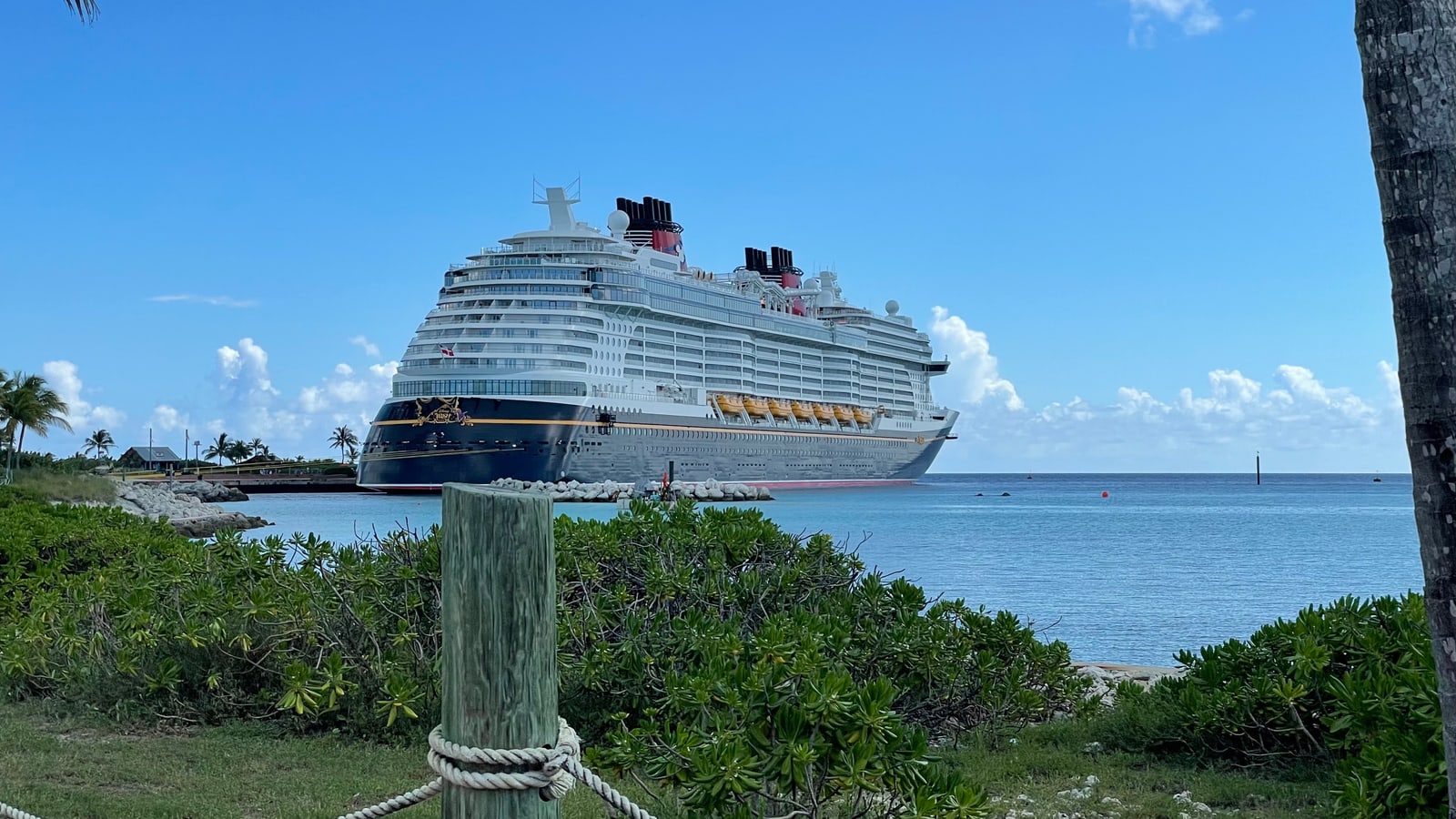
Experience products widen the system
Cruise, parks, resorts, and consumer products prove that the brand is sold as memory, not only media.
Product and service system
The studio system carries the parent memory: animation, live action, family expectation, and theatrical release discipline.
Pixar is a craft mark inside the parent system; it should not disappear into generic animation.
Acquired universes give Disney long-running character, franchise, merchandise, and park expansion lanes.
Streaming and television turn library, originals, and distribution into daily screen behavior.
ESPN keeps live sports, rights, commentary, and schedule habit inside the company system.
Places make the IP physical and turn a media brand into a travel and memory business.
Toys, apparel, games, publishing, and retail keep characters visible outside screens and parks.
Turning points.
Events that changed what buyers could see, buy, repeat, or trust.
Disneyland opens and makes the brand a physical place.
Walt Disney World opens in Florida.
Disney Channel launches as a direct audience relationship.
Toy Story 5 passes USD 1B at the box office while lifting Disney+ viewing and merchandise sales; parks separately post stronger attendance and operating results as quarterly revenue reaches USD 25.25B.
Public reaction.
The useful reaction is about trust and pressure, not sentiment counts.
The strongest Disney proof connects story IP to parks, products, streaming, sports, and repeat family behavior.
The brand weakens when a franchise launch, streaming metric, or park price hides the wider portfolio promise.
Full timeline.
Walt Disney and Roy O. Disney found the Disney Brothers Cartoon Studio.
Mickey Mouse appears in Steamboat Willie and creates the character memory system.
Snow White and the Seven Dwarfs proves feature animation can carry a studio.
Disneyland opens and makes the brand a physical place.
Walt Disney World opens in Florida.
Disney Channel launches as a direct audience relationship.
Disney releases Toy Story with Pixar, then later buys Pixar.
Disney acquires Capital Cities/ABC, bringing ABC and ESPN into the company.
Disney completes the Pixar acquisition.
Disney acquires Marvel Entertainment.
Disney acquires Lucasfilm and Star Wars.
Disney closes the 21st Century Fox deal and launches Disney+.
Disney combines stronger streaming discipline with parks, sports, and studio portfolio pressure.
Disney reports FY2025 results across entertainment, sports, and experiences segments.
Steal / avoid.
- Make the proof travel from story to place to product to habit.
- Keep acquired brands legible instead of sanding them into the parent mark.
- Treat characters as memory assets, not decoration.
- Do not reduce Disney to cartoons.
- Do not bury ESPN, parks, Hulu, Marvel, Lucasfilm, and consumer products under Disney+.
- Do not use fake character art, fake movie posters, or invented screen UI.
Short answer.
Disney should be read as a company system, not a single product. The useful lesson is to separate product families, evidence points, history, and public trust before reducing the brand to a shorthand.
Frequently asked questions
What is Disney's core brand signal?
Disney turns characters, stories, parks, sports, and streaming into one memory machine.
Why not describe Disney as one product?
Because Disney spans studios, streaming, ESPN, parks, resorts, cruises, licensing, and consumer products; describing it as one entertainment product hides how the system earns trust.
What should another brand steal from Disney?
Make the proof travel from story to place to product to habit.
Need help with your own brand?
Use Private brand work when your name, identity, proof, or message needs a sharper branding decision.
Sources.
Use the education shelf for the concepts behind this brand page.
Private brand workIf stories, subscriptions, live experiences, licensing, and merchandise all share one masterbrand, Private Brand Work can assign each lane a clear promise and proof.
All brandsReturn to every brand page.
- https://www.sec.gov/Archives/edgar/data/1744489/000174448925000155/dis-20250927.htm
- https://thewaltdisneycompany.com/about/
- https://thewaltdisneycompany.com/investor-relations/
- https://www.pixar.com/
- https://www.marvel.com/
- https://www.starwars.com/
- https://www.disneyplus.com/
- https://www.espn.com/
- https://disneyparks.disney.go.com/
- https://investors.thewaltdisneycompany.com/financials/quarterly-results/default.aspx
- https://apnews.com/article/d9d5482d48307f7104c677fa4b059a01
- https://companiesmarketcap.com/walt-disney/marketcap/