Deutsche Bank · Grow Your Brand · Institutional Bank / Global Hausbank · Germany / Active / listed bank
Deutsche Bank
Deutsche Bank: the blue slash turns institutional finance into a disciplined house signal. A brand page for Deutsche Bank: the slash-in-square mark, Frankfurt and Global Hausbank cues, four-business architecture, sourced FY2025 finance, and the reputation burden that makes institutional trust a proof job.
Positioning, name, and architecture.
Three evidence checks before the page talks about scale, color, or public reaction.
A Frankfurt-rooted institutional bank with a stable blue slash mark, Global Hausbank framing, and four major business lines.
Deutsche Bank positions itself as a Global Hausbank: a corporate and institutional finance house that must keep scale, expertise, and reputation proof visibly organized.
Deutsche Bank means German bank. The name makes place and institutional role explicit.
Global Hausbank
corporate parent with specialist business lines
The house mark leads, but the page has to separate institutional, retail, private, and asset-management proof.
transaction, cash, and corporate-client lane
business line: corporate treasury and trade services source
markets and advisory lane
business line: institutional markets and financing source
retail, private client, and wealth lane
business line: German retail and private banking source
investment-management lane
business line: DWS-linked asset-management proof source
Naming and tagline progression
Deutsche Bank
Global Hausbank
Market and scale snapshot.
Deutsche Bank reports in euros. FY2025 net revenues, profit before tax, and total assets show operating scale; the USD equivalents apply the dated 1.1396 USD-per-EUR rate stated below.
FY2025 audited total net revenues converted to USD at the 1.1396 rate observed 14 Jul 2026.
FY2025 audited profit before tax, up 84% from 2024, converted to USD using the same captured rate.
Deutsche Bank Group total assets at 31 December 2025, converted to USD using the same captured rate.
Deutsche Bank AG trades as DBK in Frankfurt and DB on the NYSE; ISIN DE0005140008.
Color system.
Blue should make the bank feel disciplined, not generically financial.
How the palette behaves
Blue carries control and institutional trust.
Dark blue gives the page corporate depth.
White keeps the slash mark crisp.
The palette works because the identity is geometrically simple.
Recognition assets.
Memory pieces the brand can use before someone finishes a sentence.
The mark can signal institutional finance before the reader reaches the full name.
Global Hausbank works only when the business lines are named.
The brand has to show reputation and control pressure, not only scale.
Scores.
Use these scores to compare recognition, trust, proof, pressure, and risk.
The slash mark is strong but less consumer-visible than mass brands.
Scale helps, but reputation proof must be handled.
The blue square system is stable.
Retail, corporate, and investment clients experience different banks.
Entity, ticker, country, and business lines are clear.
The four-business system and global reach are large.
1870 origin is strong but cannot be softened into nostalgia.
Control and reputation topics need careful public wording.
How the logo changed.
The masterbrand progression moves from the early eagle to the DB oval and then to Anton Stankowski's slash-in-square, introduced in 1974 and retained today.
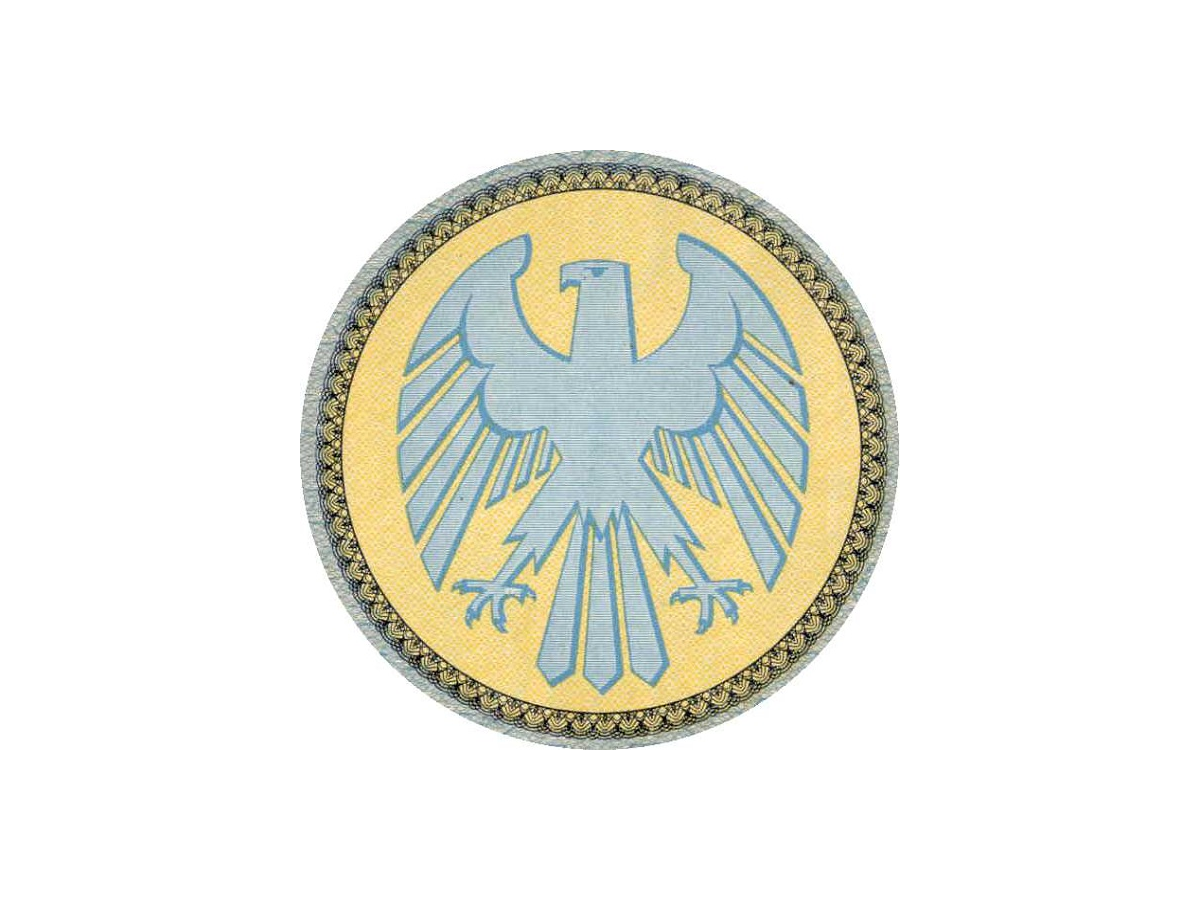
The official logo-history record dates the eagle symbol to 1870-1918; Deutsche Bank's 2024 account clarifies that the bank had no formal logo at founding. source
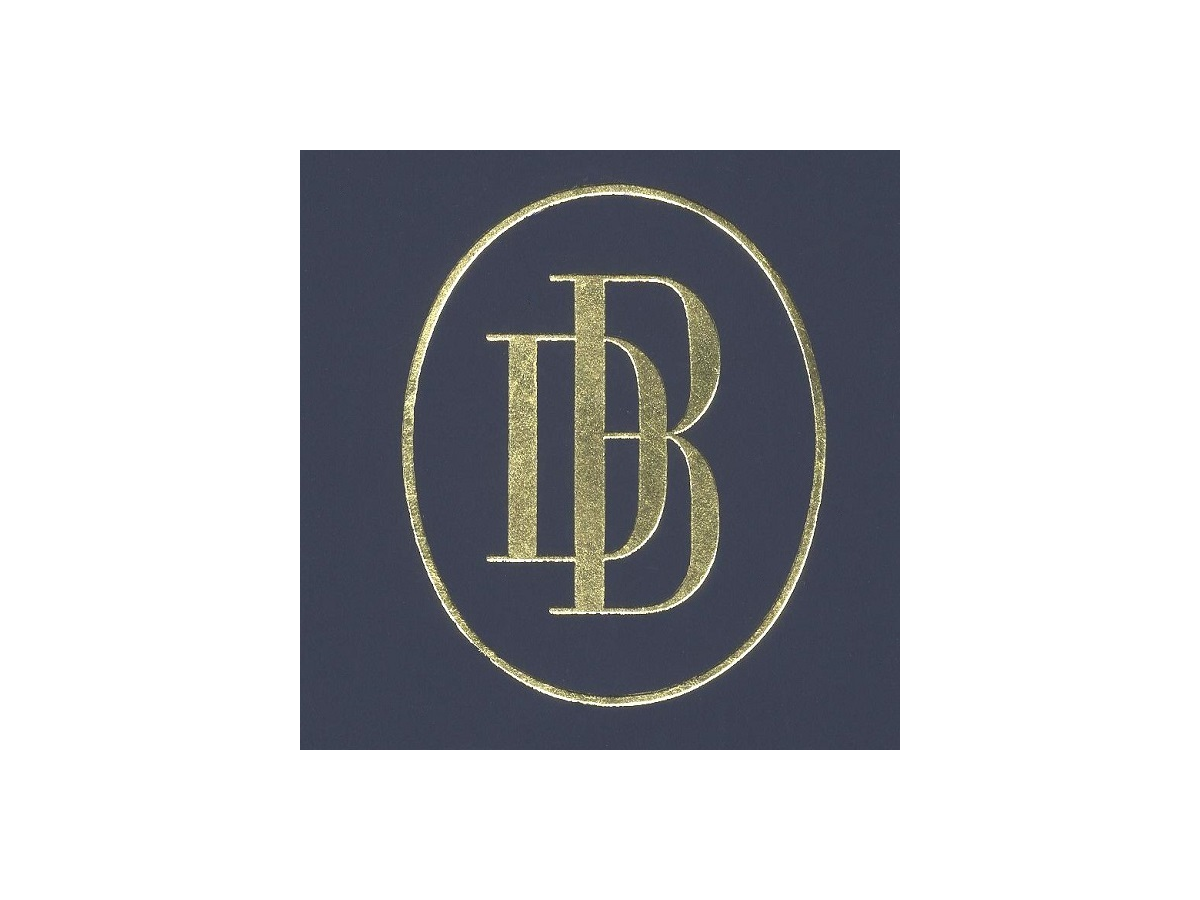
The DB oval supplied a compact letter mark before the international symbol system. source
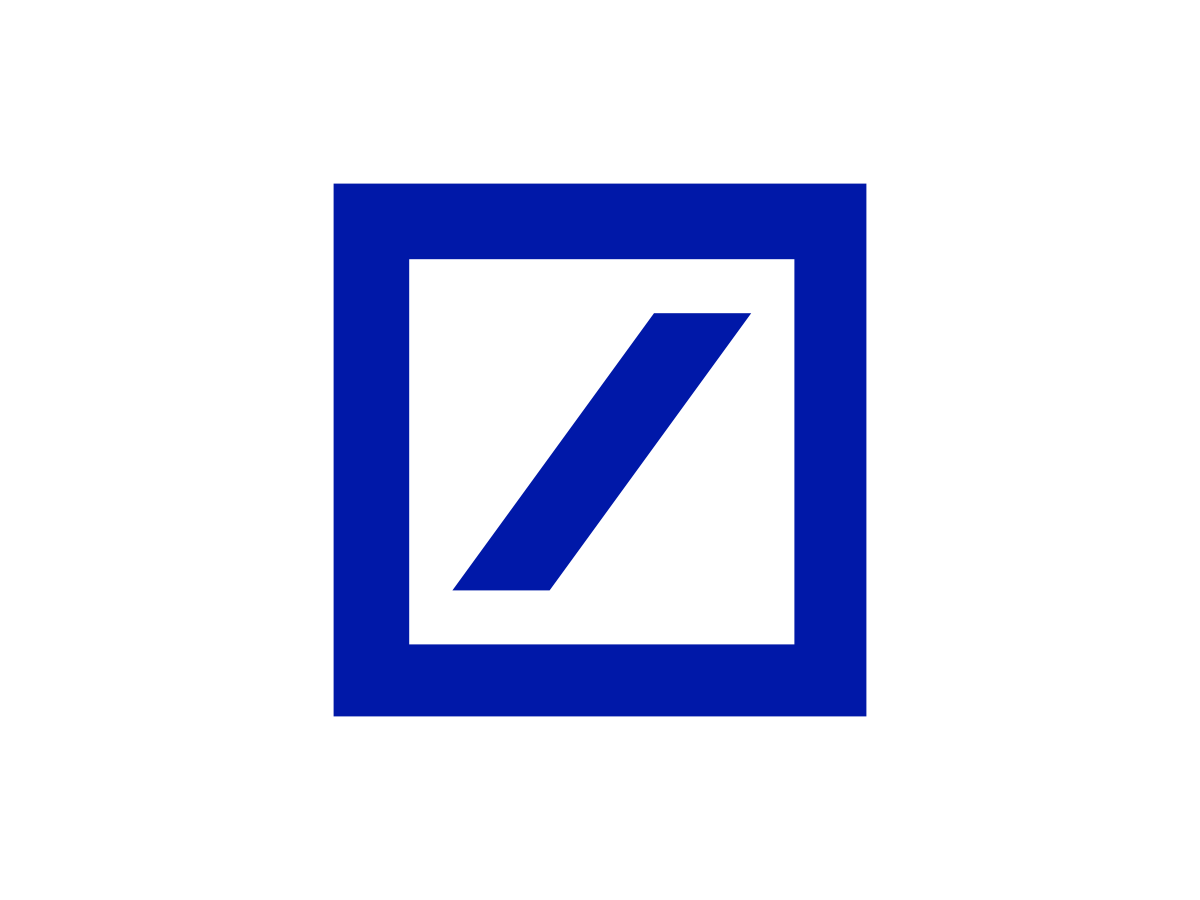
Anton Stankowski's slash-in-square became the global identifier in 1974 and remains current. source
Product and service lineage.
For Deutsche Bank, product proof is the four-business architecture plus the reputation load attached to institutional finance.

Cross-border banking has physical scale
Trade corridors and transaction infrastructure make the Global Hausbank idea concrete.

Risk control is part of the product
Institutional trust depends on visible review discipline, not a decorative dashboard.

Wealth service needs human context
A private-banking relationship gives the institutional system a distinct premium service lane.
Service detail closes the system
Operational touchpoints keep the global banking promise connected to daily delivery.
Product and service system
Deutsche Bank is founded.
Postwar successor banks are reunited as Deutsche Bank AG.
The current slash-in-square mark becomes the core visual cue.
The bank reports high annual profitability in official FY2025 reporting.
Turning points.
Events that changed what buyers could see, buy, repeat, or trust.
Anton Stankowski's mark gives Deutsche Bank one disciplined recognition cue across an increasingly international institution.
The acquisition expands Deutsche Bank's investment-banking presence and adds new complexity beneath the stable masterbrand.
A major restructuring refocuses the group around Corporate Bank, Investment Bank, Private Bank, and Asset Management.
Deutsche Bank reports EUR 32.1 billion in net revenues and EUR 9.7 billion in profit before tax for FY2025.
German prosecutors searched Deutsche Bank premises in July in a Postbank legacy-tax investigation; the bank said it was searched as a third party and was cooperating fully.
Public reaction.
The useful reaction is about trust and pressure, not sentiment counts.
The public judges Deutsche Bank through controls, service, market news, and client outcomes.
Large finance brands carry higher proof burdens.
The visual system is clear; the challenge is explaining what sits under it.
Full timeline.
Deutsche Bank is founded.
Postwar successor banks reunite as Deutsche Bank AG.
The slash-in-square identifier is introduced.
Morgan Grenfell acquisition expands investment-banking reach.
A restructuring separates core businesses more sharply.
Deutsche Bank reports EUR 32.1b total net revenues.
Steal / avoid.
- Use one disciplined mark to organize complex institutional services.
- Name business lines plainly.
- Treat reputation pressure as part of the brand proof.
- Do not write generic trusted-since-1870 copy.
- Do not hide compliance or reputation pressure.
- Do not overstate largest or live-value claims without source and date.
Short answer.
Deutsche Bank uses the blue slash-in-square as one stable identifier across a complex financial group. The useful brand lesson is to pair that mark with a readable Global Hausbank structure: Corporate Bank, Investment Bank, Private Bank and Asset Management need separate proof, while DWS and Postbank must be labeled as architecture rather than treated as logo-history stages.
Frequently asked questions
What is Deutsche Bank's main brand signal?
The blue slash-in-square mark, the Deutsche Bank name, and the Global Hausbank idea.
What should another brand steal?
Use a disciplined mark and a clear house idea to organize complex services.
What should another brand avoid?
Do not turn heritage into vague trust copy while ignoring reputation and compliance pressure.
Need help with your own brand?
Use Private brand work when your name, identity, proof, or message needs a sharper branding decision.
Sources.
Use the education shelf for the concepts behind this brand page.
Private brand workUse this when the decision belongs to your own brand.
All brandsReturn to every brand page.
- EUR-to-USD conversion feed captured 14 Jul 2026
- Deutsche Bank annual reports
- Deutsche Bank Annual Report 2025
- Deutsche Bank FY2025 financial data supplement
- Deutsche Bank homepage
- Deutsche Bank history
- Deutsche Bank logo history
- Deutsche Bank 2025 Form 20-F
- KREBS+KIEFER Deutsche Bank Towers Frankfurt project image
- Reuters on Deutsche Bank Postbank search