Amazon · Grow Your Brand · Commerce and cloud infrastructure system · United States / Active
Amazon
Amazon turns buying, delivery, cloud, and media into infrastructure. A brand page on Amazon as a company system: stores, marketplace sellers, fulfillment, Prime, AWS, advertising, devices, media, grocery, and emerging infrastructure bets.
Positioning, name, and architecture.
Three evidence checks before the page talks about scale, color, or public reaction.
Amazon turns buying, delivery, cloud, and media into infrastructure.
A brand page on Amazon as a company system: stores, marketplace sellers, fulfillment, Prime, AWS, advertising, devices, media, grocery, and emerging infrastructure bets.
Amazon operates as the parent/company mark for a wider system.
No verified current group-wide tagline; Amazon is read through stores, fulfillment, Prime, AWS, advertising, and smile-arrow memory.
company system / portfolio architecture
Online stores and marketplace: Amazon sells directly and also runs the seller marketplace; those are different trust surfaces. Fulfillment and delivery: The box, route, warehouse, and handoff make the promise physical. Prime and subscriptions: Prime is shipping, media, membership, and habit, not just a delivery speed claim. AWS: AWS is the cloud profit and infrastructure story; it cannot be buried under shopping. Advertising: Retail search and sponsored placement turn demand into a media business. Devices, media, grocery, and bets: Alexa, Kindle, Fire TV, Twitch, MGM, Whole Foods, Ring, Kuiper, and Zoox widen the system.
Amazon sells directly and also runs the seller marketplace; those are different trust surfaces.
Portfolio family: Online stores and marketplace source
The box, route, warehouse, and handoff make the promise physical.
Portfolio family: Fulfillment and delivery source
Prime is shipping, media, membership, and habit, not just a delivery speed claim.
Portfolio family: Prime and subscriptions source
AWS is the cloud profit and infrastructure story; it cannot be buried under shopping.
Portfolio family: AWS source
Retail search and sponsored placement turn demand into a media business.
Portfolio family: Advertising source
Alexa, Kindle, Fire TV, Twitch, MGM, Whole Foods, Ring, Kuiper, and Zoox widen the system.
Portfolio family: Devices, media, grocery, and bets source
Naming and tagline progression
Amazon is founded by Jeff Bezos.
Amazon opens as an online bookseller.
Amazon goes public.
Market and scale snapshot.
Amazon's FY2025 base now sits beside a Q2 2026 operating update: AWS sales rose 37% to USD 42.2 billion while AI infrastructure spending pushed trailing free cash flow into an outflow.
Net sales for the year ended 31 December 2025, up 12% from 2024.
Net income for 2025, compared with USD 59.248 billion in 2024.
Dated 3 Aug 2026 market-cap observation after Amazon crossed the USD 3 trillion threshold.
Amazon.com, Inc. common stock trades on Nasdaq under AMZN; CUSIP 023135106.
Color system.
Amazon's black field and orange delivery cue connect the storefront, box, Prime habit, and AWS-scale operating system.
How the palette behaves
Black keeps the wordmark and commerce surface direct across boxes, stores, and devices.
Orange carries smile and delivery memory, while blue gives AWS and infrastructure a separate lane.
White space keeps marketplace, Prime, fulfillment, and cloud proof readable as different businesses.
Recognition assets.
Memory pieces the brand can use before someone finishes a sentence.
The mark cues delivery and range, while the card keeps unsourced mark artwork off the page.
Physical arrival is the strongest daily evidence point.
The company is also invisible infrastructure behind other businesses.
Membership makes Amazon a repeated behavior, not a one-time store.
Scores.
Use these scores to compare recognition, trust, proof, pressure, and risk.
Boxes, smile memory, and the name are instant.
AWS, marketplace, ads, and logistics need separation.
Scale creates convenience and scrutiny at the same time.
Fulfillment and AWS make the brand operationally visible.
Prime, saved payment, delivery tracking, and returns turn occasional shopping into a repeated routine.
Trust depends on buyers seeing when Amazon sells, fulfills, or merely hosts a third-party offer.
Warehouses, delivery stations, drivers, lockers, boxes, and returns make the promise physical.
Amazon defines buyer expectations for online selection, delivery speed, and self-service returns.
How the logo changed.
Amazon moved from a literal river mark to an A-to-Z smile, then shortened the lockup as the name expanded beyond the website.
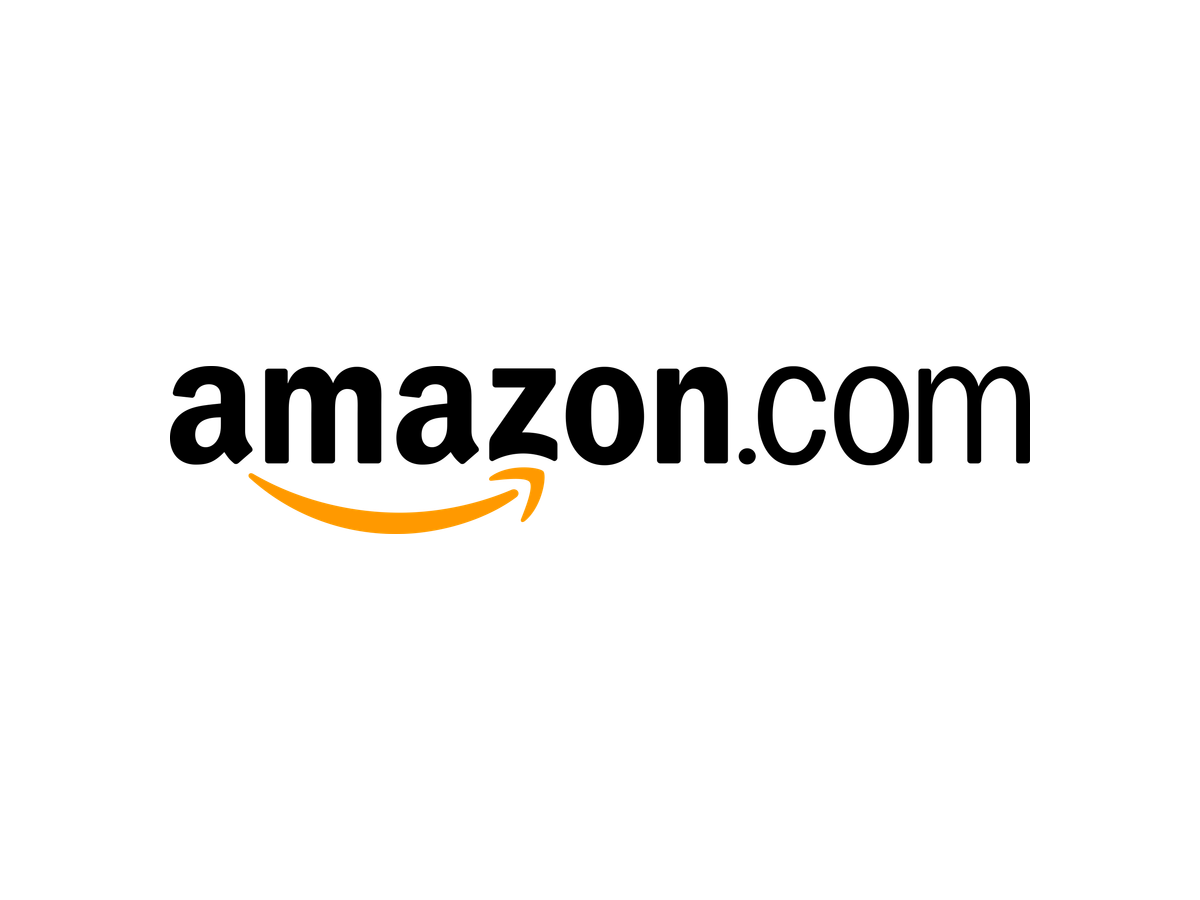
The 2000 design connected A to Z with a smile while the .com suffix still identified Amazon as a web retailer. source
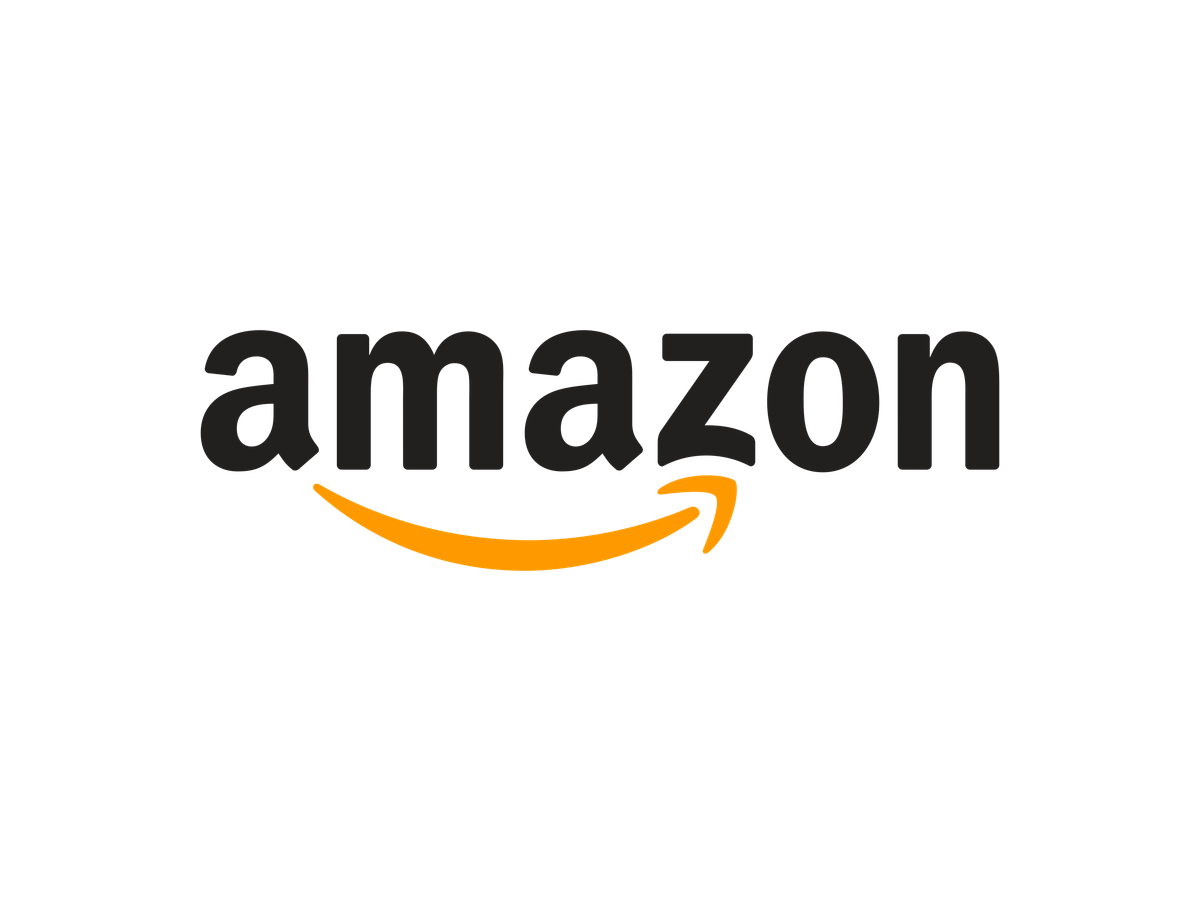
Dropping .com made the A-to-Z smile portable as a company-level masterbrand mark.
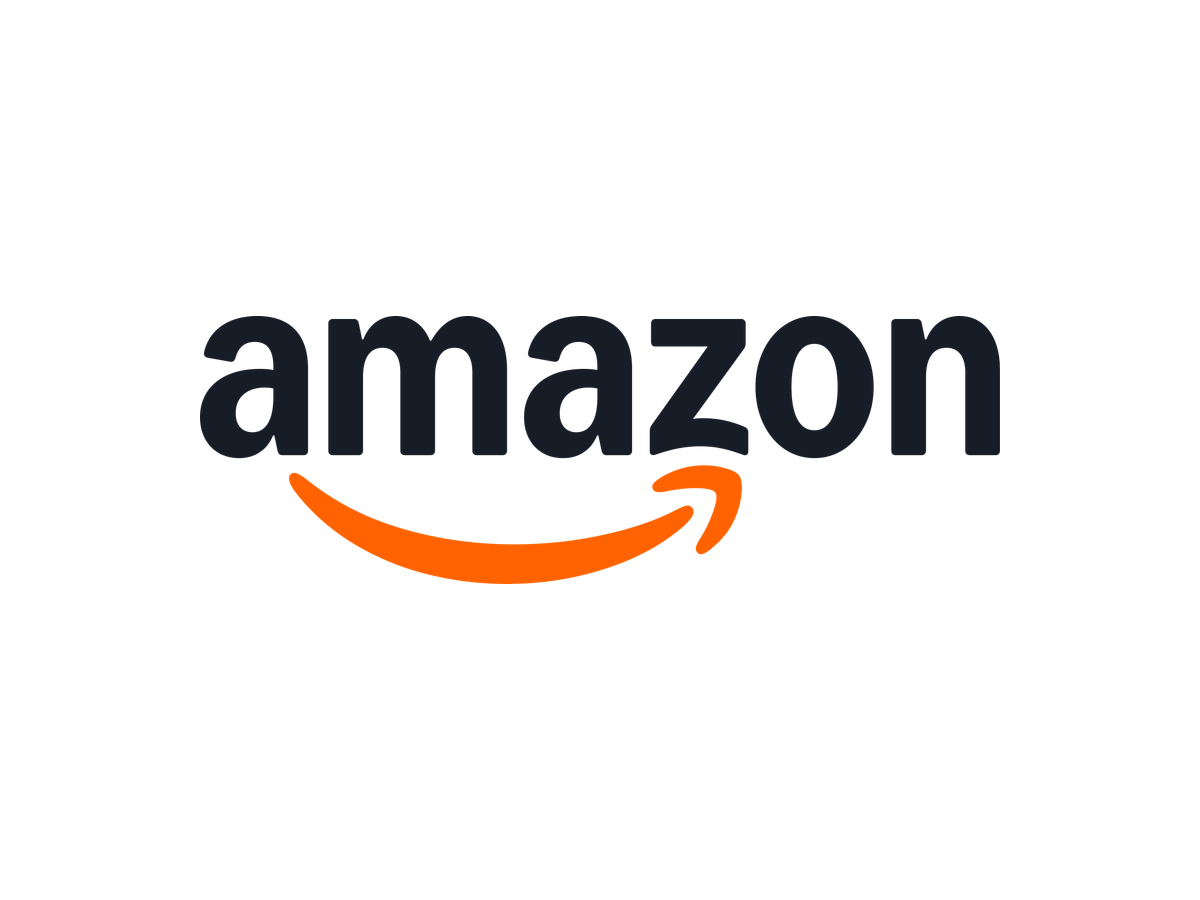
The current masterbrand keeps the A-to-Z smile as a portable company-level recognition device.
Product and service lineage.
For Amazon, product proof is the visible system of marketplace, logistics, cloud infrastructure, and delivery moments.
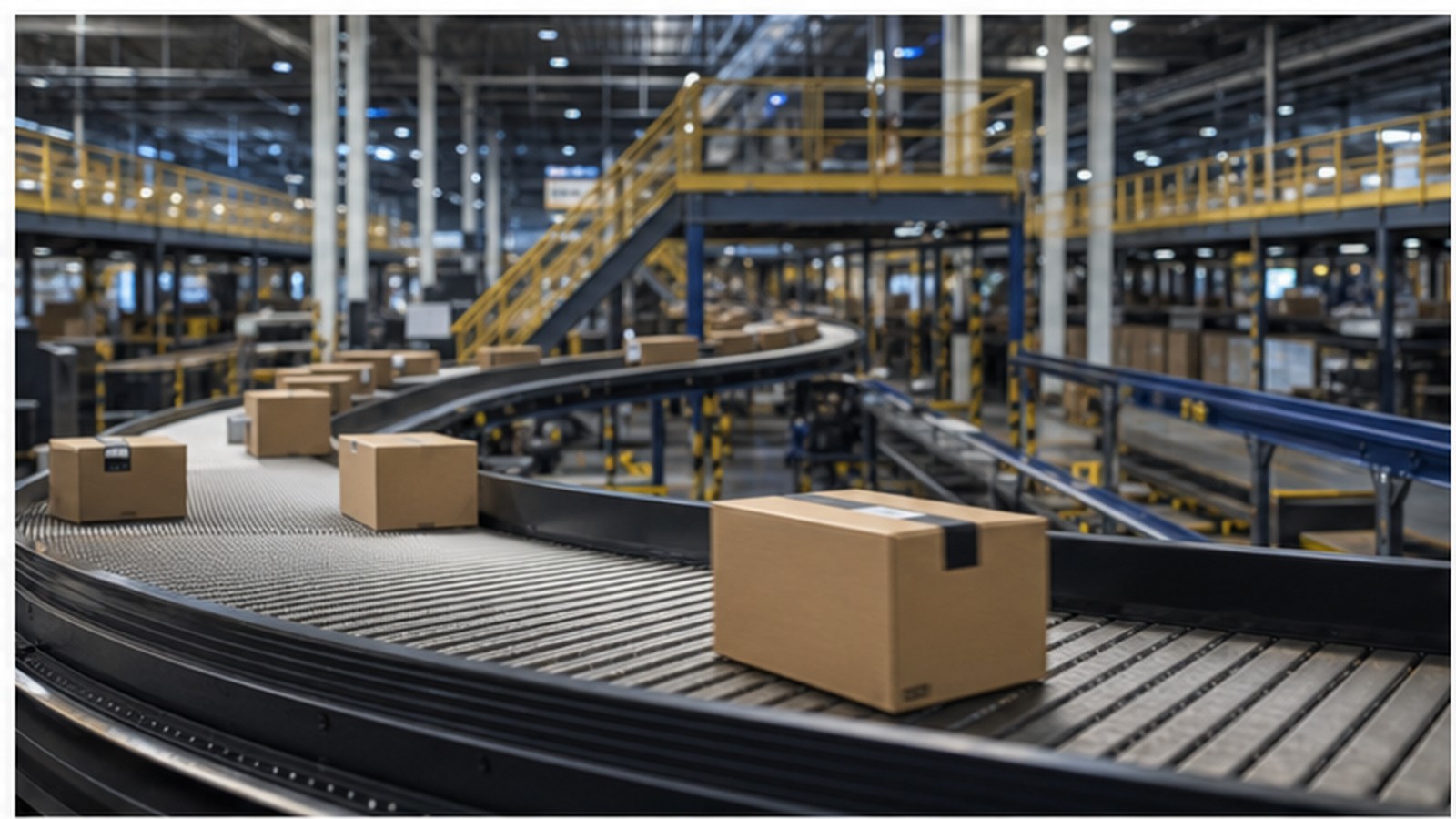
Fulfillment is part of the brand
The marketplace promise depends on warehouses, conveyors, inventory, and operations.
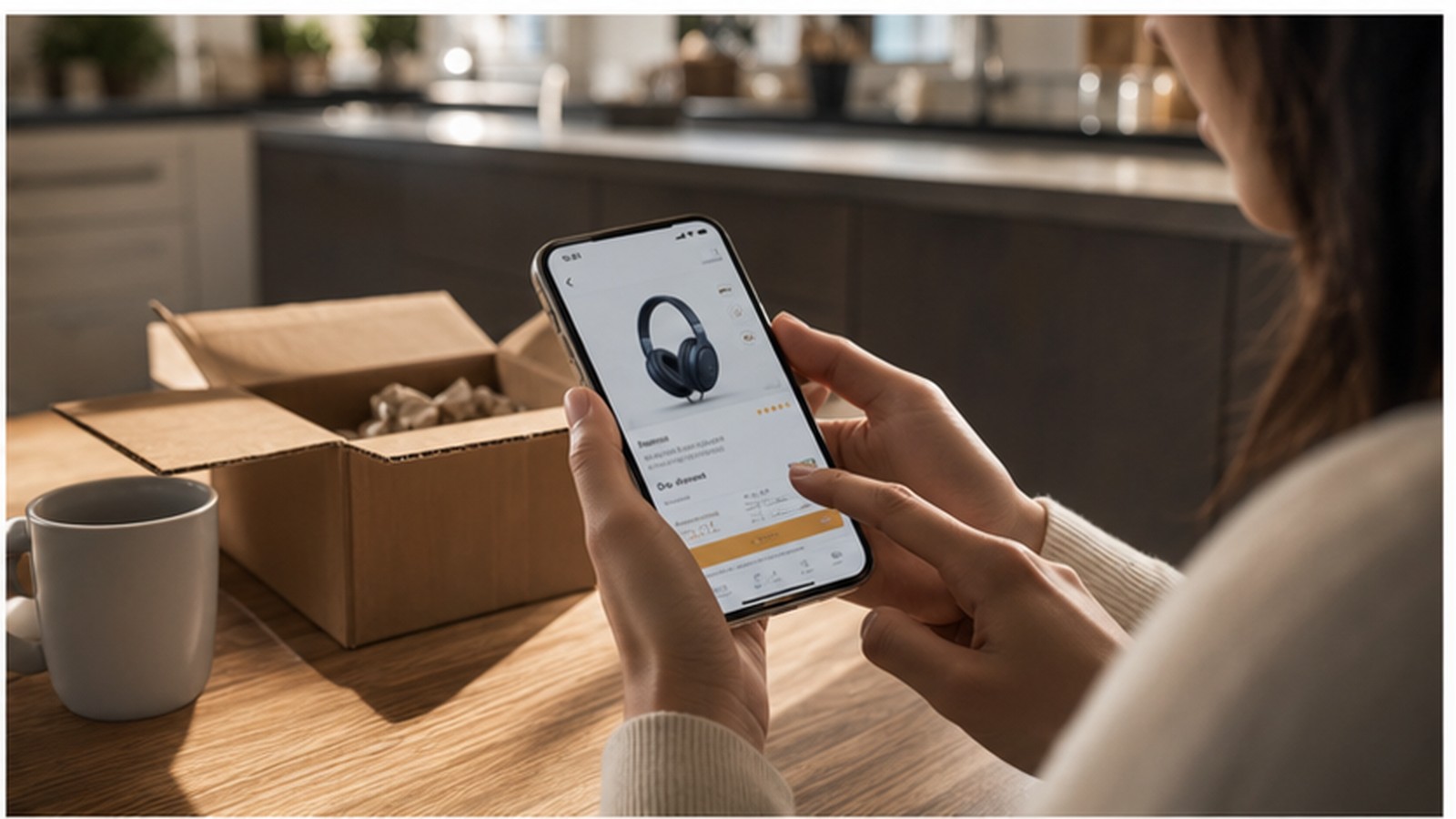
Checkout turns the system personal
The brand becomes daily when browsing, buying, and package arrival stay connected.

Cloud infrastructure is a separate proof lane
AWS-scale credibility should not be hidden inside retail copy.
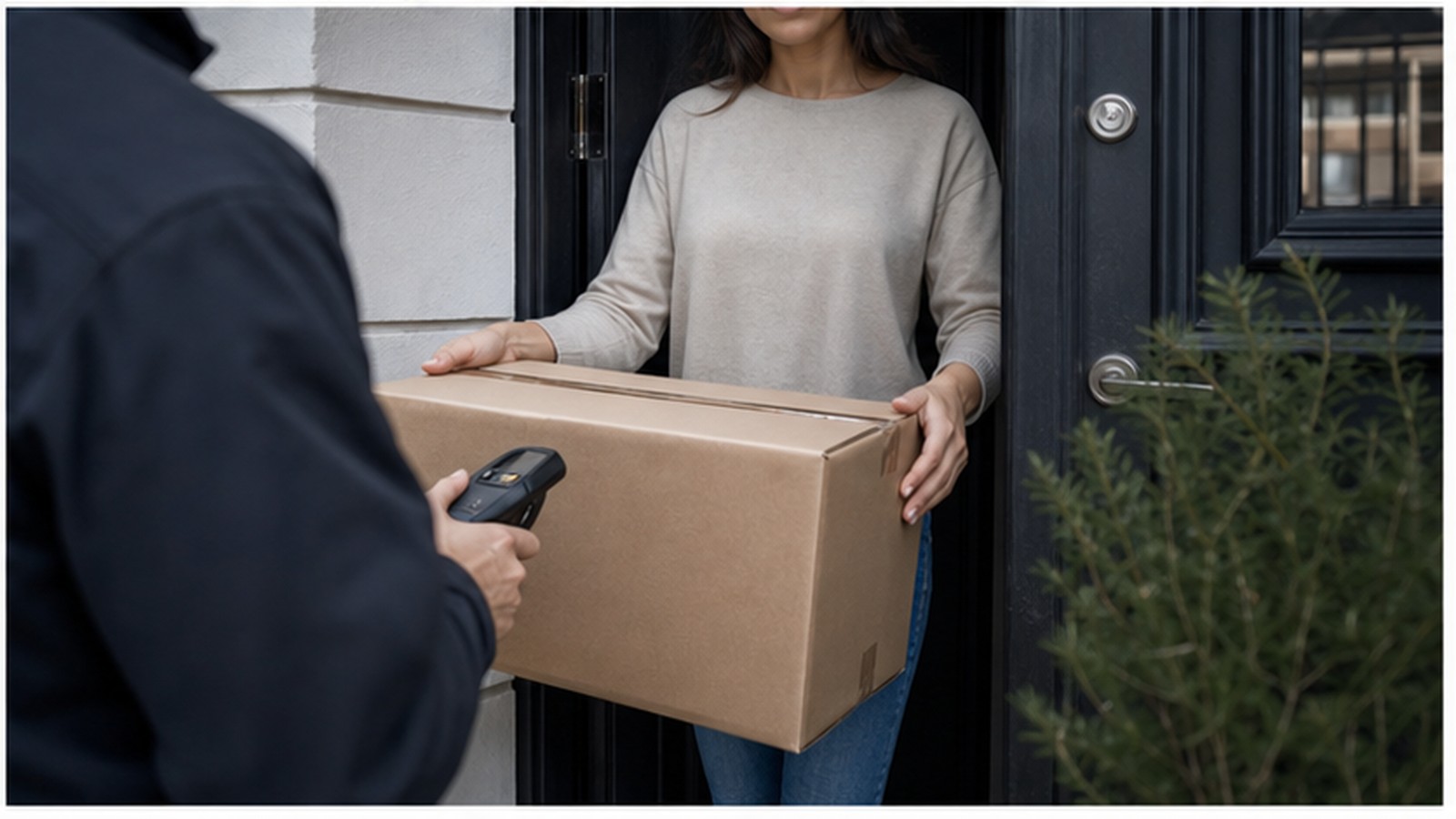
Delivery closes the loop
Doorstep delivery keeps the brand promise attached to a real customer moment.
Product and service system
Amazon sells directly and also runs the seller marketplace; those are different trust surfaces.
The box, route, warehouse, and handoff make the promise physical.
Prime is shipping, media, membership, and habit, not just a delivery speed claim.
AWS is the cloud profit and infrastructure story; it cannot be buried under shopping.
Retail search and sponsored placement turn demand into a media business.
Alexa, Kindle, Fire TV, Twitch, MGM, Whole Foods, Ring, Kuiper, and Zoox widen the system.
Turning points.
Events that changed what buyers could see, buy, repeat, or trust.
Marketplace logic moves Amazon beyond first-party retail.
Amazon Prime launches.
AWS becomes the cloud-services growth engine.
AWS sales rose 37% to USD 42.2 billion, its fastest growth in 18 quarters, as AI and chips each passed a USD 25 billion annualized run rate.
Public reaction.
The useful reaction is about trust and pressure, not sentiment counts.
Buyers understand the promise because search, payment, delivery, returns, and Prime repeat constantly.
The brand weakens when people describe Amazon as a shop and ignore AWS, ads, sellers, logistics, and media.
Full timeline.
Amazon is founded by Jeff Bezos.
Amazon opens as an online bookseller.
Amazon goes public.
Marketplace logic moves Amazon beyond first-party retail.
Amazon Prime launches.
AWS becomes the cloud-services growth engine.
Kindle launches.
Amazon acquires Twitch and strengthens the media/community lane.
Amazon Ads becomes a clearer demand-capture layer around retail search.
Whole Foods acquisition expands physical grocery.
Ring adds home security hardware and services to the device family.
Andy Jassy succeeds Bezos as CEO.
MGM brings a deeper film and television catalog into Prime Video.
AWS, ads, subscriptions, sellers, and stores all remain separate reporting and brand surfaces.
Steal / avoid.
- Make the operating system visible: search, stock, fulfillment, delivery, and support.
- Separate the profit engine from the consumer surface when they are different businesses.
- Turn membership into habit, not just a coupon.
- Do not call Amazon only ecommerce.
- Do not merge first-party retail with marketplace sellers.
- Do not use invented app screens, AWS consoles, or smile marks.
Short answer.
Amazon combines a first-party retailer, third-party marketplace, fulfillment network, Prime membership, advertising business, and AWS under one company. The smile, box, delivery promise, and Prime habit drive consumer recognition, while AWS supplies a separate enterprise infrastructure business. The brand is strongest when seller identity, fulfillment responsibility, delivery status, and returns stay clear.
Frequently asked questions
What is Amazon's core brand signal?
Amazon turns buying, delivery, cloud, and media into infrastructure.
Why not describe Amazon as one product?
Because Amazon may be the retailer, marketplace host, fulfillment provider, subscription operator, advertiser, or cloud supplier. Those roles create different promises and risks.
What should another brand steal from Amazon?
Make the operating system visible: search, stock, fulfillment, delivery, and support.
Need help with your own brand?
Use Private brand work when your name, identity, proof, or message needs a sharper branding decision.
Sources.
Use the education shelf for the concepts behind this brand page.
Private brand workIf your company mixes a customer storefront with logistics, subscriptions, infrastructure, and media, Private Brand Work can separate the promise and proof for each business.
All brandsReturn to every brand page.
- https://ir.aboutamazon.com/news-release/news-release-details/2026/Amazon-com-Announces-Fourth-Quarter-Results/default.aspx
- https://www.sec.gov/Archives/edgar/data/1018724/000101872426000004/amzn-20251231.htm
- https://www.aboutamazon.com/about-us
- https://aws.amazon.com/
- https://advertising.amazon.com/
- https://press.aboutamazon.com/2014/8/amazon-com-to-acquire-twitch
- TechRadar, AWS forward deployed engineering investment coverage
- Amazon Q2 2026 results
- Amazon market capitalization