Airbus · Grow Your Brand · Masterbrand / mission-led product families · Netherlands / Active / public company
Airbus
Airbus makes a complex aerospace portfolio readable by mission. The A-number families separate volume, range, and scale while Helicopters and Defence and Space keep different buyers and proof jobs visible under one masterbrand.
Positioning, name, and architecture.
Airbus is easiest to understand when the masterbrand, product-family syntax, and division boundaries each do a different job.
A European aerospace masterbrand whose product families make mission, capacity, and operating role legible at global scale.
Airbus turns a wide aerospace portfolio into named families with clear operating jobs, then uses the masterbrand to connect the proof.
Airbus became the shared company name for the European aircraft collaboration formed around the A300 program.
Airbus is carried by the masterbrand and its A- and H-family naming system rather than one standing corporate campaign line.
branded house with mission-led product families
Three reporting lanes share the Airbus name but sell to different buyers and require different proof.
A320 family carries volume and commonality; A350 carries new-generation long-haul proof; A380 remains the public scale cue.
Operating division: A320 family / A350 / A380 source
Civil, public-service, and mission rotorcraft give the Airbus name a different operating context from fixed-wing fleets.
Operating division: H145 / H160 / H225 source
Transport aircraft, combat-aircraft participation, satellites, and space systems serve government and institutional missions.
Operating division: A400M / Eurofighter participation / satellites source
Satellites, Earth observation, telecommunications, navigation, exploration, and space equipment give the Airbus name an orbital mission system.
Mission family inside Defence and Space: Pléiades Neo / OneSat / Orion service module source
Naming and tagline progression
Naming-system era: Airbus Industrie and the A300 establish the company and family syntax.
Naming-system era: A310 and A320 show that the A-number pattern can stretch across different aircraft jobs.
Naming-system era: Airbus leads while A-number aircraft, H-number helicopters, and named defence and space systems separate the portfolio.
Market and scale snapshot.
Airbus scale is visible in reported finance, 793 FY2025 aircraft deliveries, and a year-end backlog of 8,754 commercial aircraft.
FY2025 consolidated revenue converted from the native reported value.
FY2025 reported EBIT converted from the native reported value.
July 2026 market capitalization reported by CompaniesMarketCap.
Airbus share identifier and ISIN from Airbus investor information.
Color system.
Airbus blue works as a stable masterbrand cue; aircraft livery, mission context, and product-family naming carry more of the recognition load.
How the palette behaves
Deep Airbus blue signals technical control and gives commercial, helicopter, defence, and space pages one corporate anchor.
Sky blue supports flight and engineering associations without pretending every aircraft operator uses Airbus corporate colors.
White space keeps technical content legible and separates the corporate identity from customer airline liveries.
Dark navy gives the system enough authority for government, defence, investor, and industrial contexts.
Recognition assets.
Airbus recognition comes from family syntax and aircraft form as much as from the corporate wordmark.
A320, A330, A350, and A380 belong together, but each number must still cue a different capacity, range, or operating role.
The family idea matters because airlines can connect the name to fleet commonality, training, and network jobs.
The full-length double deck lets non-specialists recognize Airbus ambition without reading a specification sheet.
Rotorcraft and military transport prove that Airbus is a wider aerospace system, not a synonym for passenger jets.
Scores.
The scores test whether Airbus keeps family clarity, buyer trust, and division boundaries strong under a very wide portfolio.
A320, A350, and A380 give the company several globally recognized aircraft cues.
The A-number system creates continuity while still separating aircraft missions.
Commercial aircraft dominate public memory, so Helicopters and Defence and Space need explicit proof.
Deliveries, backlog, operators, and in-service fleets make the product story concrete.
Certification, safety, delivery reliability, and long service lives make trust an operating requirement.
The Airbus name spans airline fleets, helicopters, military transport, satellites, and space systems.
The wordmark is stable, but customer liveries mean product shape and naming must carry recognition too.
A large backlog strengthens demand proof while raising expectations around production and handover.
How the logo changed.
Four sourced historical stages show the move from a consortium-era emblem toward the current corporate wordmark.

The early circular emblem made the new European aerospace consortium visible before Airbus became a single corporate masterbrand.
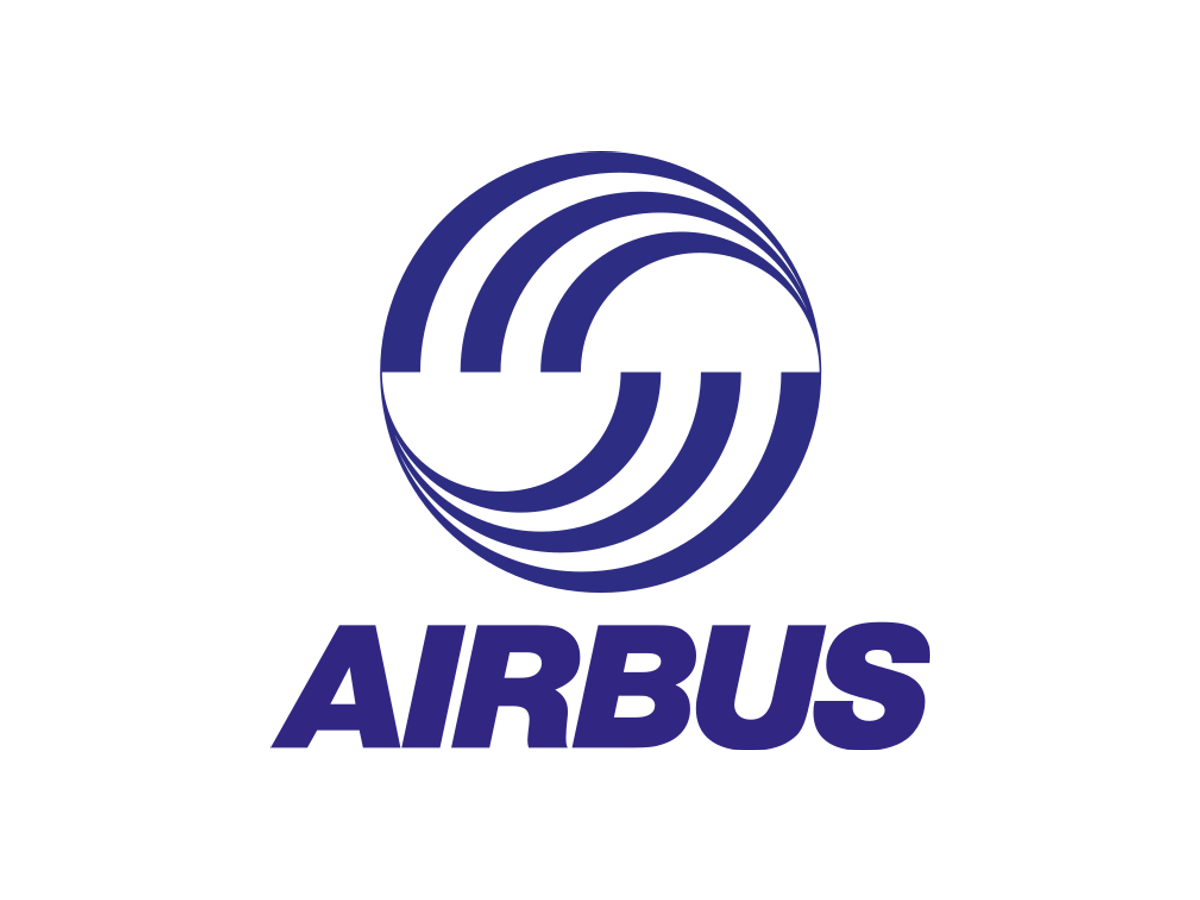
A circular striped emblem made aviation motion explicit but carried more visual detail than the later wordmark-led system.
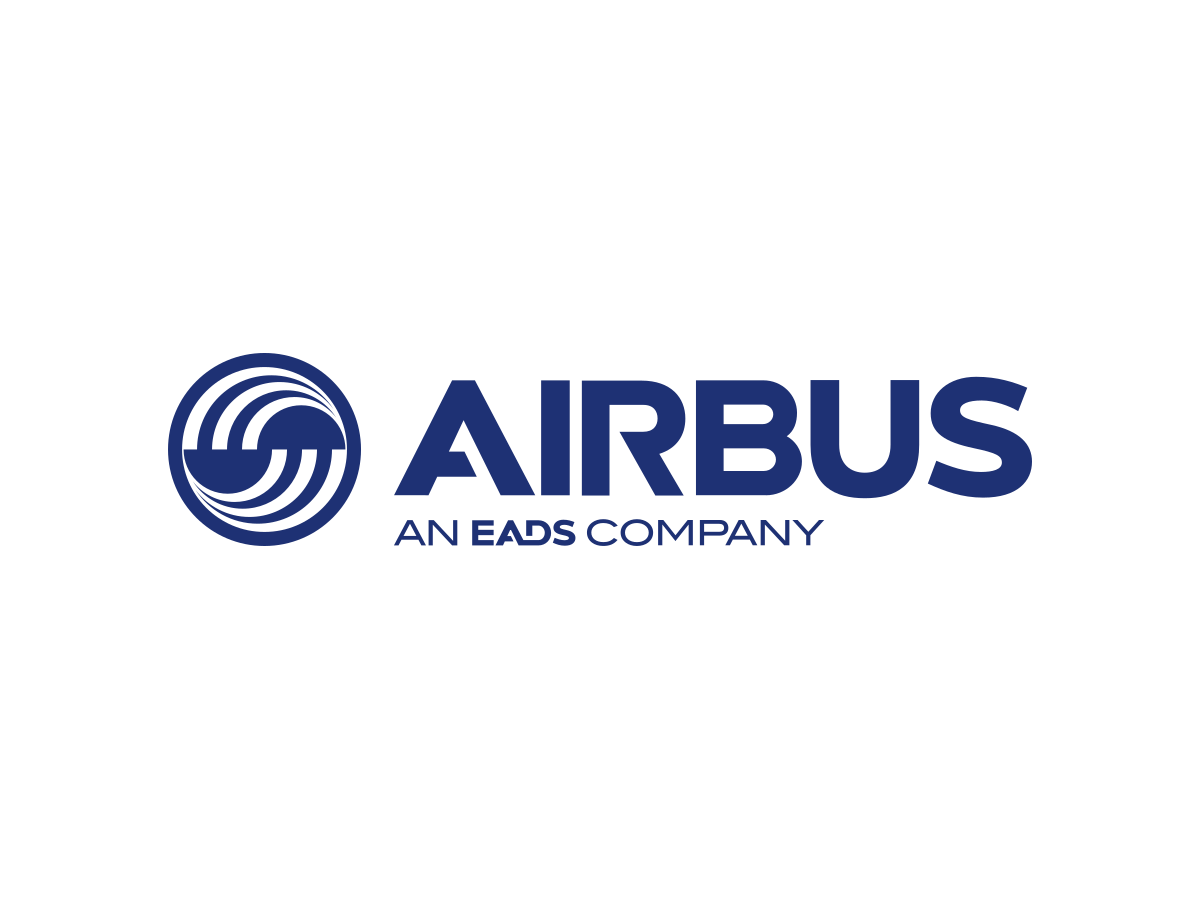
The identity moved toward a stronger AIRBUS wordmark while retaining an emblem cue during the transition.
The current wordmark removes the emblem and lets product families and mission imagery carry more of the operating context.
Product and service lineage.
Commercial aircraft, helicopters, defence transport, and space systems need different proof even when the Airbus name connects them.
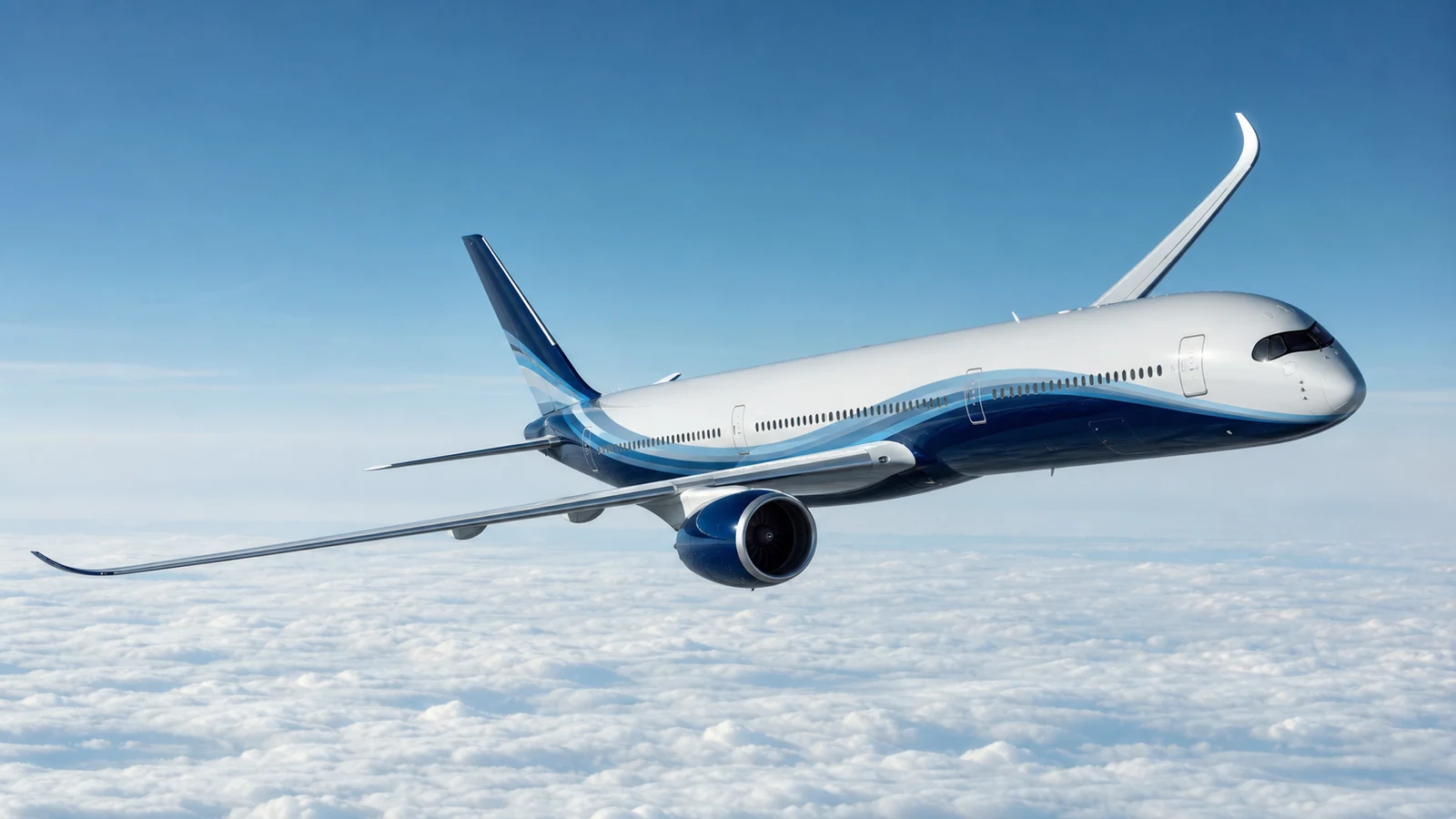
The A350 shows how Airbus connects a new-generation widebody name to range, cabin, materials, and airline fleet proof.
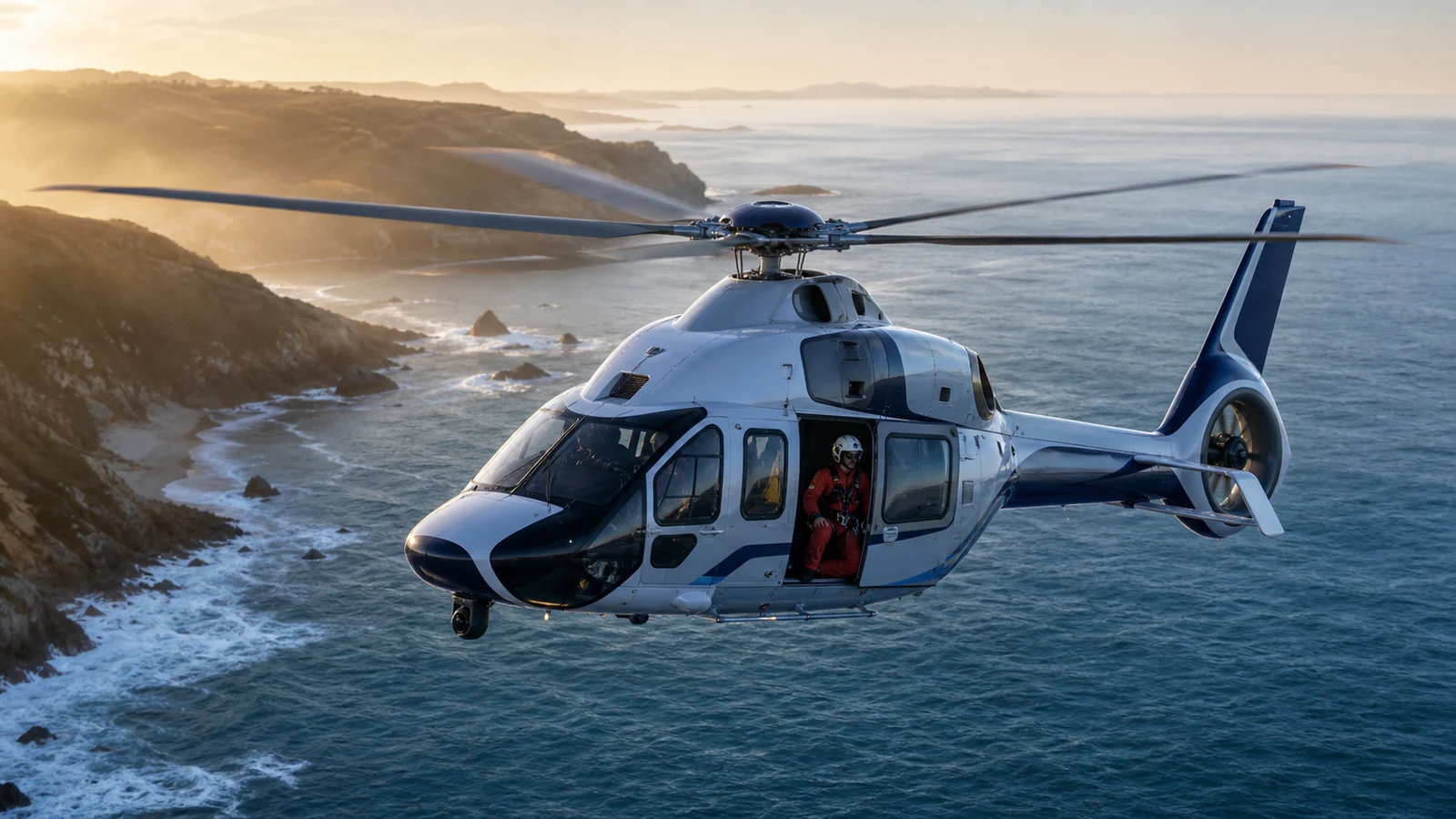
The H160 gives Airbus Helicopters a distinct shape, mission, and buyer context instead of borrowing the commercial-aircraft story.
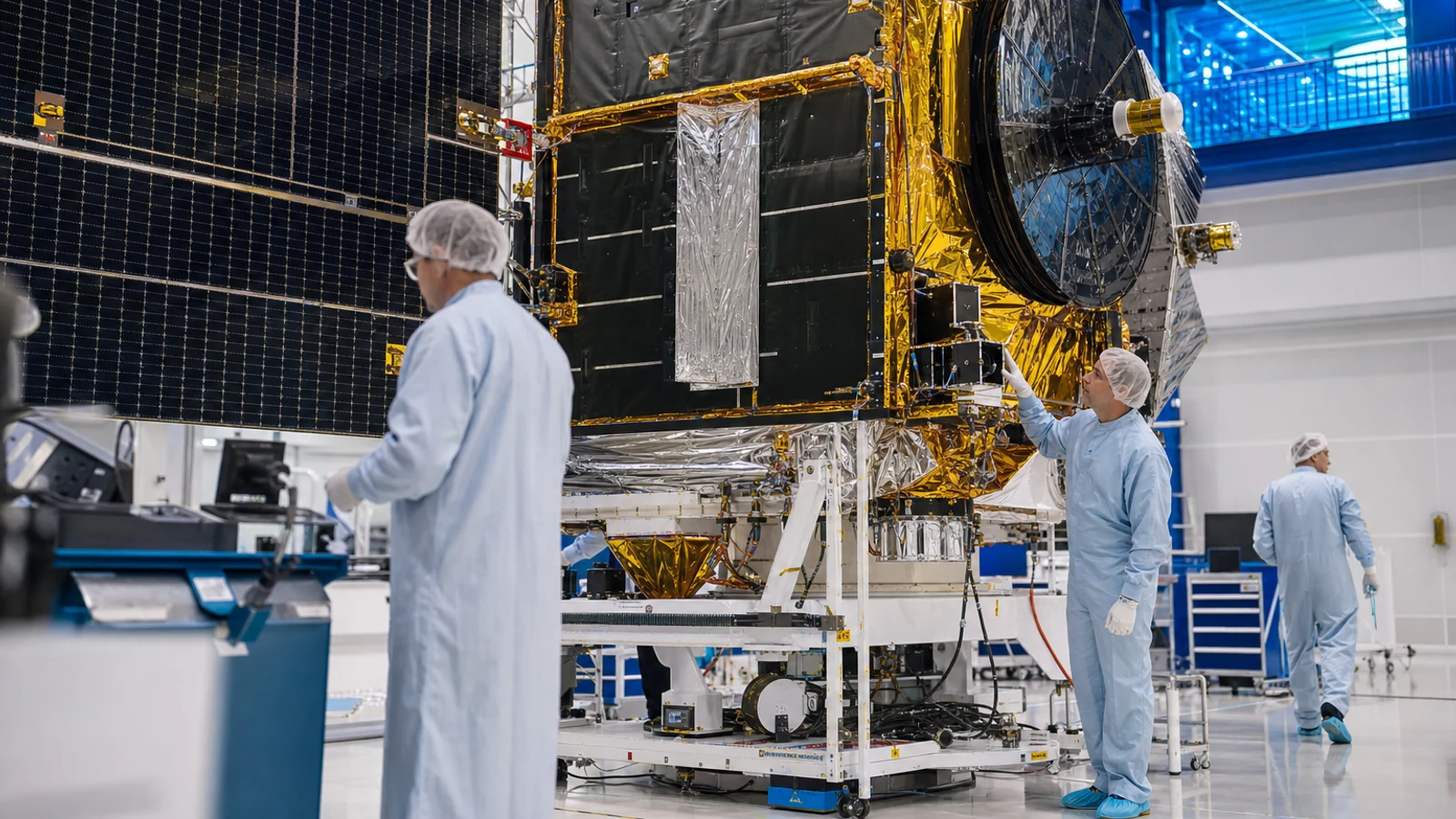
Satellite integration makes the space portfolio visible through hardware, testing, cleanroom discipline, and mission delivery.
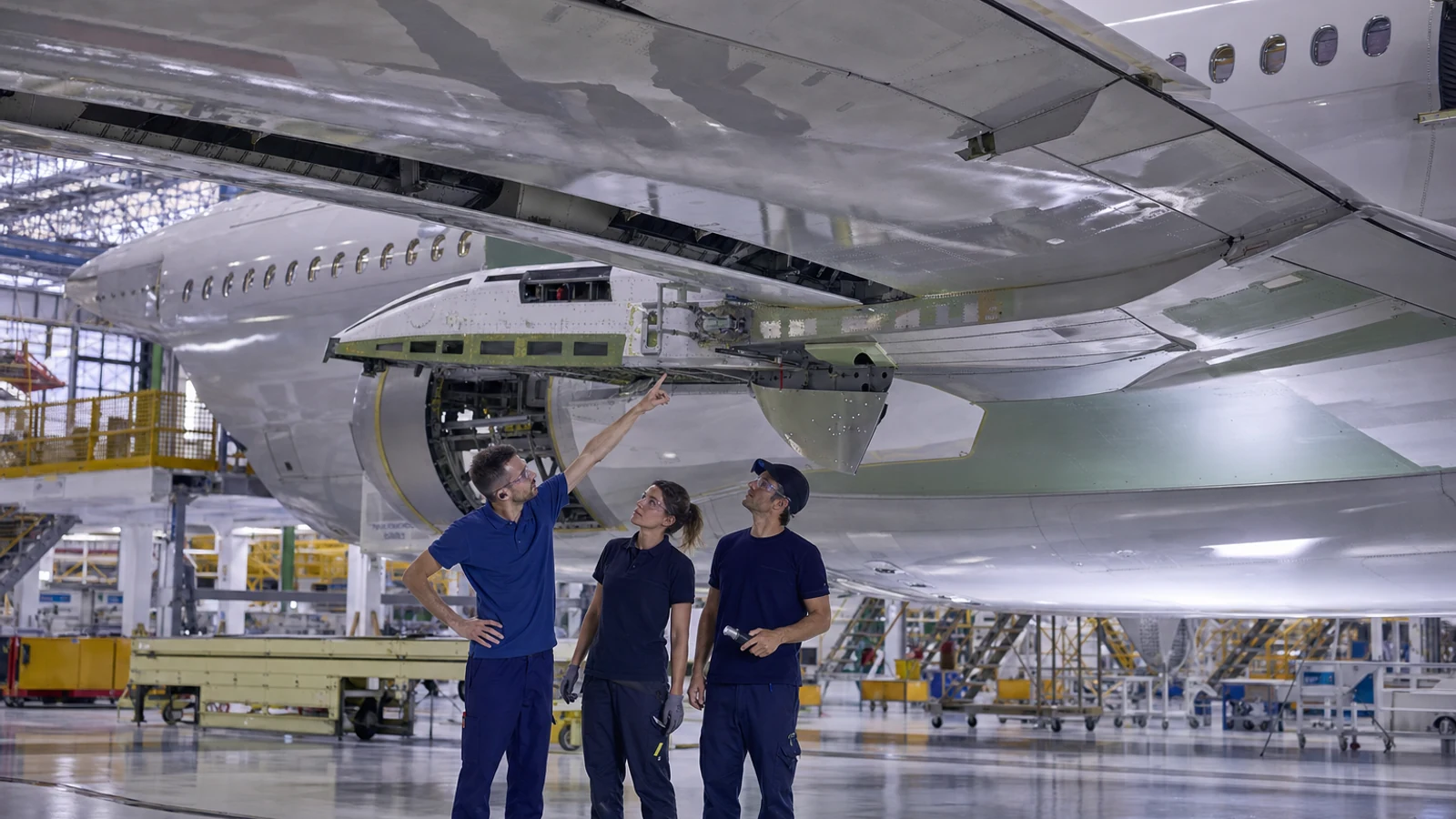
Final inspection is where demand, engineering, supply chain, quality, and handover pressure meet.
Product and service system
A320 family commonality, A350 long-haul renewal, and A380 shape memory give airline buyers separate product jobs under one masterbrand.
H-number families such as H160 carry civil, public-service, and mission rotorcraft proof outside the fixed-wing portfolio.
A400M transport and other mission platforms connect the Airbus name to government, logistics, and operational readiness.
Satellites, orbital systems, and cleanroom integration make precision, reliability, and long-horizon mission work visible.
Turning points.
These moments changed how buyers understood the portfolio, not merely which aircraft appeared next.
Airbus Industrie turns a cross-border aircraft program into a public corporate identity.
Fly-by-wire and cockpit-family logic make the A-number system useful to airline operations.
The double-deck aircraft gives Airbus a silhouette that travels far beyond aviation buyers.
An 8,754-aircraft year-end backlog proves demand while increasing expectations around production and handover.
Public reaction.
Airbus earns trust through fleet use, certification, delivery, and mission performance; public fascination alone is not enough.
Airlines can connect the A320 family name to operating, training, and fleet-planning logic rather than treating every model as unrelated.
The double deck gives Airbus enormous public memory, but it can overshadow the A320 volume engine and the wider aerospace portfolio.
The year-end 2025 backlog proves demand while making production stability and customer handover part of the live brand experience.
Helicopters and Defence and Space become easier to trust when their missions and flagship systems are shown on their own terms.
Full timeline.
Airbus Industrie is formed.
The A300 makes its first flight.
The A320 makes its first flight.
Airbus Military is established as a dedicated military-aircraft business.
EADS is formed, combining major European commercial-aircraft, defence, and space businesses under one group.
The A380 makes its first flight.
The A350 makes its first flight.
Defence and space activities are consolidated as Airbus Defence and Space.
Airbus delivers 793 commercial aircraft and ends the year with an 8,754-aircraft backlog.
Steal / avoid.
- Give every product family a job buyers can repeat in one sentence.
- Use naming consistency to reduce complexity across a wide portfolio.
- Show operating proof for each division instead of letting the famous product stand for everything.
- Let shape, mission, and in-service use support the corporate mark.
- Do not let one flagship flatten the rest of the portfolio.
- Do not treat similar division names as proof that the businesses have the same buyers or jobs.
- Do not use backlog as pure prestige; it also creates a delivery obligation.
- Do not describe product families with generic innovation language when mission and operating evidence are available.
Short answer.
Airbus' brand signal is a masterbrand organized by mission-led product families. The A320 family proves volume and commonality, the A350 proves new-generation long-haul capability, the A380 carries public scale memory, and H160 and A400M show that Airbus also means helicopters, defence, and space. The useful lesson is to give every family a distinct job and operating role so one famous product does not flatten the whole company.
Frequently asked questions
What is Airbus' clearest brand lesson?
Airbus shows how one masterbrand can organize a technically complex portfolio when every product family has a distinct mission, size, and operating proof.
Why does Airbus use product-family naming?
The A-number system creates continuity across commercial aircraft while letting specific families cue volume, range, capacity, and fleet job.
What should another company avoid copying?
Do not copy the naming pattern without clear product jobs. Repeated letters and numbers only help when buyers can connect them to real differences.
Need help with your own brand?
Use Private brand work when your name, identity, proof, or message needs a sharper branding decision.